

Five Rare Salamander Species Found Across Ohio
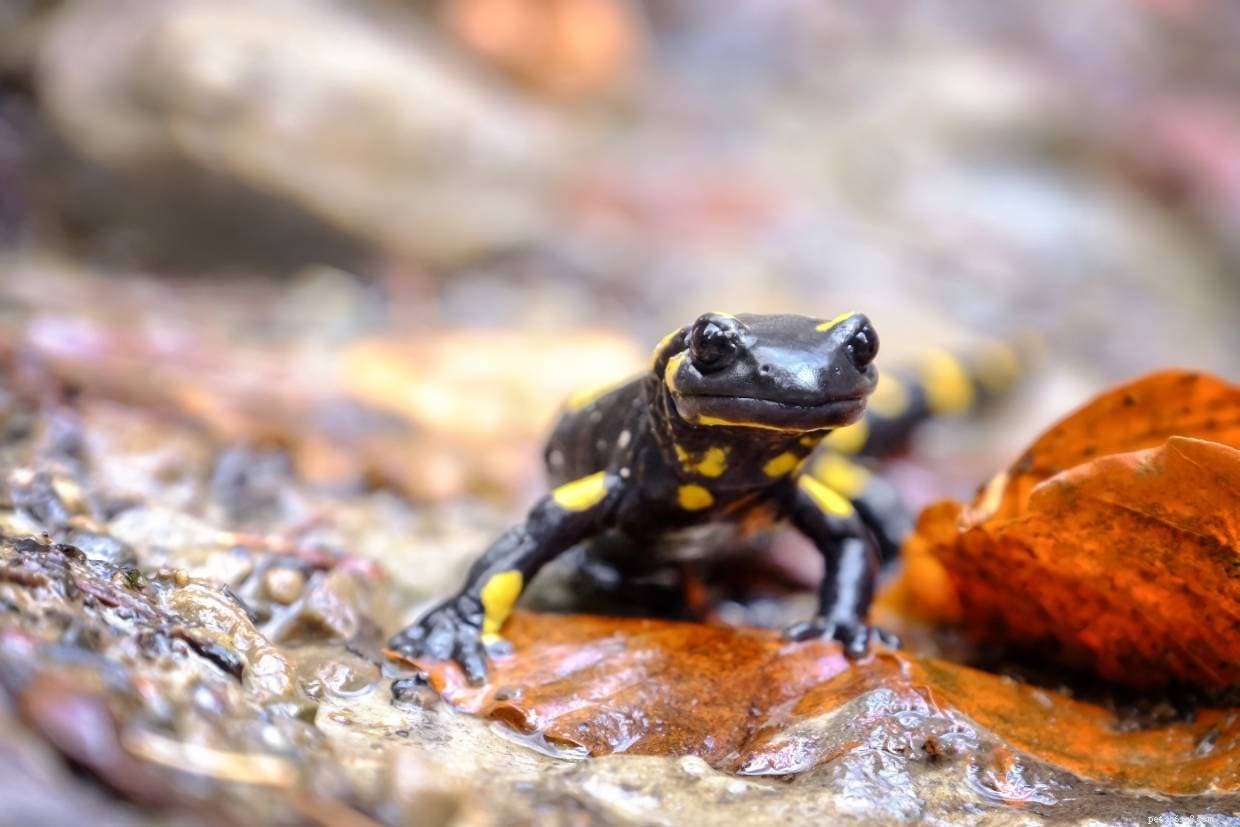
During the winter months, you can find one of Ohio’s most unique and lesser-known creatures slithering around in search of food. The salamander is a cold-blooded amphibian that typically lives near water sources.
In Ohio, it is not uncommon to find them along rivers or streams during the warmer months, and as we enter into fall, they start to migrate towards forested areas where they will hibernate until spring.
Salamanders are very sensitive animals, and if you disturb their natural habitat by building on top of wetlands or creating drainage systems that lead away from these wetland habitats, you can disrupt their existence completely.
This blog post will inform you about which kinds of salamanders you can find in Ohio and how to identify them.
Top 5 Salamanders Found in Ohio:
1. Spotted Salamander
| Species: | A. maculatum |
| Longevity: | 20 years |
| Good to own as a pet?: | Yes |
| Legal to own?: | No |
| Adult size: | 6-9 inches |
| Diet: | Carnivorous |
The spotted salamander is a 5-inch-long amphibian with oval-shaped spots on its back. It can be found in hardwood forests, mixed deciduous forests, and coniferous woods across Ohio. This species eats earthworms, slugs, snails, ants, beetles (especially the larvae), spiders (including black widows, brown widows), and sometimes tiny frogs.
The spotted salamander is an important five species in the Ohio ecosystem because it helps regulate pests such as slugs and snails while also aiding plant health by dispersing seeds. This amphibian can be found under logs, rocks, or leaf litter and in 5 species of Ohio streams.
2. Jefferson’s Salamander
| Species: | A. jeffersonianum |
| Longevity: | 6 years |
| Good to own as a pet?: | Yes |
| Legal to own?: | Yes |
| Adult size: | 4-7 inches |
| Diet: | Carnivorous |
The Jefferson’s salamander is a lungless, aquatic amphibian species found throughout most parts of the United States. They are typically around 5 inches long when fully grown, with adults being grey to bluish-black with orange or yellow spots on the sides.
The Jefferson’s salamander is generally found in areas with large rocks and logs, as they love to hide underneath them for shelter when feeling threatened. They are omnivores that feed primarily off small invertebrates such as insects, worms, arachnids, centipedes, and spiders; however, they also enjoy the occasional tadpole frog, small fish, and other amphibians.
They are a predatory species that use their giant mouths to suck up food from the water’s surface and hunt on land for prey.
3. Woodland salamander
| Species: | Plethodontidae |
| Longevity: | 20 years |
| Good to own as a pet?: | Yes |
| Legal to own?: | Yes |
| Adult size: | 3-5 inches |
| Diet: | Carnivorous |
Woodland salamander is another lungless salamander found in Ohio. They are generally 5-14 long when fully grown and usually brown with a lighter belly. Woodland salamanders can be found near water sources such as slow-moving streams or ponds during the colder months of winter; they then hibernate underneath logs and rocks on land throughout autumn to late spring.
Their diet consists primarily of ants, beetles, worms, and spiders. Woodland salamanders are also a carnivorous species that use their giant mouths to suck up food from the water’s surface and hunt on land for prey. They reproduce using external fertilization methods through sperm deposited by males, which then moves into the female’s cloaca region, where eggs will be laid 5-14 days later.
4. Redback Salamander
| Species: | P. cinereus |
| Longevity: | 25 years |
| Good to own as a pet?: | Yes |
| Legal to own?: | Yes |
| Adult size: | 2-5 inches |
| Diet: | Carnivorous |
Redback salamander is a species of lungless, aquatic amphibians found throughout most parts of the United States and southern Canada. They are usually around 5 inches long when fully grown, with adults being dark brown to blackish grey on their backs with light underbellies. The redback salamander is typically found in areas with large rocks and logs, as they love to hide underneath them for shelter when feeling threatened. They are omnivores that feed primarily off small invertebrates such as insects, worms, arachnids, centipedes, and spiders; however, they also enjoy the occasional tadpole frog, small fish, and other amphibians. They are a predatory species that use their giant mouths to suck up food from the water’s surface and hunt on land for prey.
5. Spectacled Salamander
| Species: | S. terdigitata |
| Longevity: | 12 years |
| Good to own as a pet?: | Yes |
| Legal to own?: | Yes |
| Adult size: | 3-4 inches |
| Diet: | Carnivorous |
Spectacled salamander is another lungless salamander found in Ohio. They are 5-14 inches long when fully grown and usually dark brown with darker coloring around the eyes.
Spectacled salamanders can be found near water sources such as slow-moving streams or ponds during the colder months of winter; they then hibernate underneath logs and rocks on land throughout autumn to late spring. Their diet consists primarily of ants, beetles, worms, and spiders. However, spectacled salamanders are also predatory species that use their giant mouths to suck up food from the water’s surface and hunt on land for prey.
They reproduce using external fertilization methods through sperm deposited by males, which then moves into the female’s cloaca region, where eggs will be laid 5–14 days later.
Are Salamanders Poisonous?
Salamanders are not poisonous. They secrete a slimy substance used as lubrication to help them move about more easily in their environments, and it may also act as a defense mechanism (in some cases). The name “salamander” comes from the Greek word for “little fire spirit.”
What to Do If You Find a Salamander?
Do not handle them. Keep your distance from the salamander and keep it in sight. Record its location and seek help from a trained professional such as a herpetologist or wildlife rehabilitator.
Expert Tip: Be cautious when walking through wooded areas, especially after heavy rains, because they may be breeding and found in higher numbers.
Conclusion
Salamanders are fascinating creatures. They can be found in different habitats, from forests to caves and even ponds! Some salamanders can walk through fire without getting harmed, while others cannot. If you find one outside its natural habitat or injured, take care not to touch them as they may be poisonous. To know more about these creatures, visit this blog post on all the essential facts that make up their life cycle and habits.
- You may also be interested in: 19 Spiders Found in Ohio
- Discover 19 Native Ohio Snakes: A Comprehensive Guide
- Explore Ohio’s 19 Key Spider Species
- Discover Maine’s 9 Native Salamander Species
- Top 16 Salamander Species in South Carolina
- Indiana's 23 Salamander Species: Discover Their Habitats & Protect Them
- Top 8 Pet Salamanders & Newts: Expert Picks for Easy Care
- Tiger Salamander: A Beautiful, Low-Maintenance Pet Amphibian