

What Do Katydids Eat? A Comprehensive Guide to Their Diet in the Wild and for Pet Care
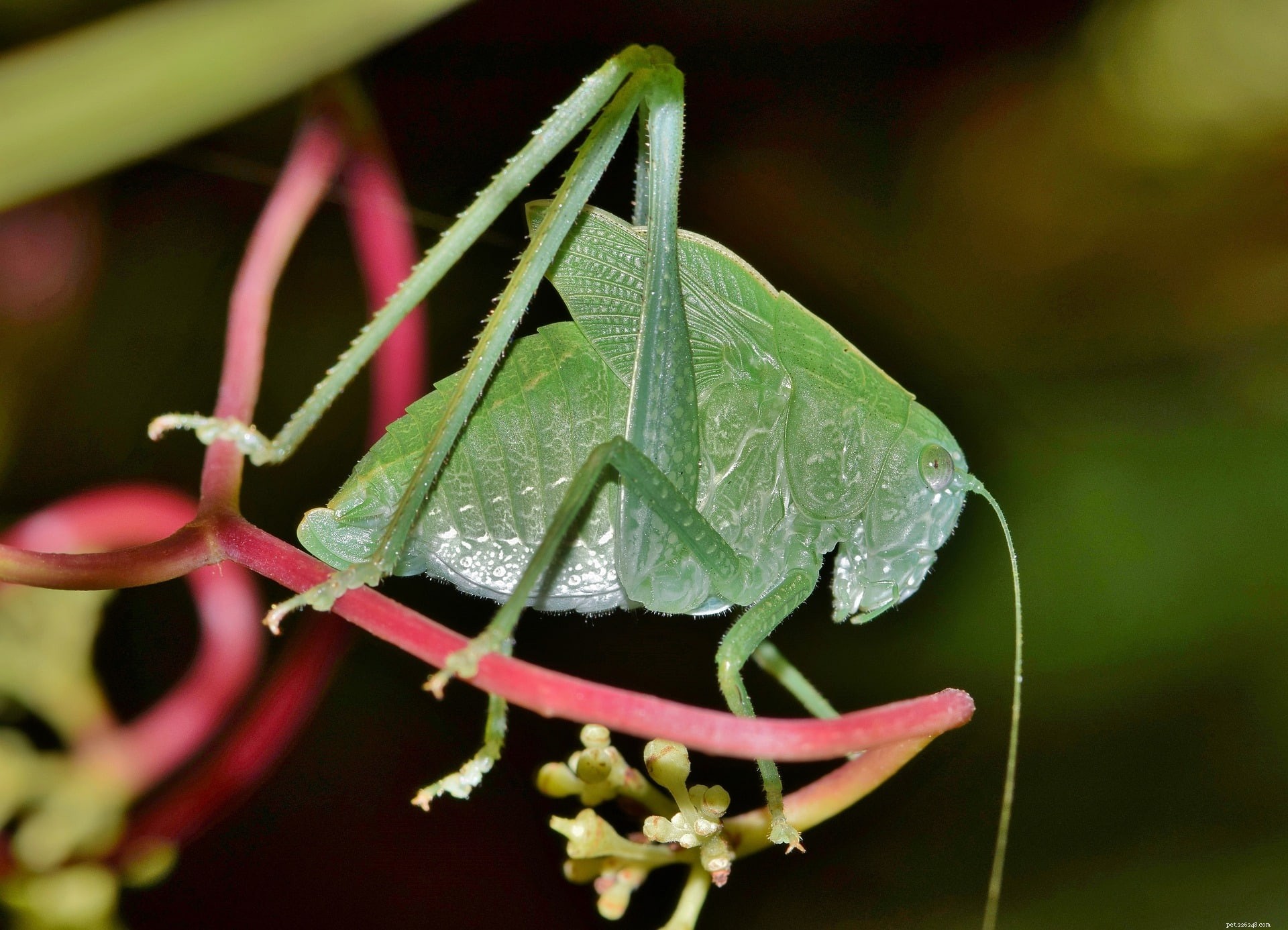
Do you enjoy listening to a choir of chirping crickets during a warm summer day? Then you probably will enjoy the sounds of katydids! These unique insects closely resemble grasshoppers. They have a slender shape, long legs, and come in a large variety of sizes and colors. With over 6,400 katydid species in existence, katydids can be found all over the globe. In fact, about 255 kinds of katydids live in North America.
But do these bugs make good pets? For people that appreciate insects, katydids make great pets!
If you already own a pet katydid, you might be wondering what types of foods are best for this little critter. A high-quality pet katydid diet closely resembles what they eat in the wild.
Here are some foods that katydids eat both as pets and in the wild.
Leaves and Stems
In the wild, katydids primarily feast on leaves and stems from a variety of different plants. However, you can certainly feed your pet katydid these items right in your home! Feed your pet katydid stems or leaves from bramble, hazel, oak, or butterfly bush plants. Ensure you’re only giving your insect one to two leaves each day to snack on.
Fruit
Katydids also can eat food both as pets and in the wild. Some delicious fruit to feed your bugs include apples, oranges, and grapes. Never leave fruit in your katydid’s enclosure for too long. Most fruits will start to rot after just a couple of days.
Small Insects
Though they mostly stick to plants, katydids have been known to consume smaller bugs, insect eggs, and dead insects. If you wish to treat your katydid to an insect, leave a couple of aphids in its tank. Aphids are tiny, sap-sucking insects that move very, very slowly. This makes them the perfect meal for your katydid. Leave the aphids in the enclosure overnight and remove and leftovers the following day.
- See Also: What Do Walking Stick Insects Eat in the Wild & as Pets?
Additional Katydid Care Tips
Want to keep your katydids happy and healthy? Here are some other katydid care tips you need to know about:
Keep your katydid in a 12 x 12-inch clear, plastic tank with a netted or mesh lid. Your katydids will hang from the lid when they’re molting. If you have more than one or two katydids, you’ll need to get a larger enclosure.
Cover the bottom of the tank with two to three inches of substrate, such as potting soil, tissue paper, or tiny pebbles.
Mist the inside of the tank daily to keep the humidity levels high. Additionally, the temperature inside the enclosure should fall between 77 and 86 degrees F. Place a light bulb over the tank to keep your pet bugs warm.
Provide your katydids with plenty of items to climb on and hide in. These can include fake foliage, sticks, and paper towel rolls.
Related Reads:
- 10 Interesting Insects That Make Great Pets (With Pictures)
- Ghost Mantis: Care Guide, Pictures, Lifestyle, & More
- How to Take Care of a Pet Praying Mantis
Katydid Diets: Final Thoughts
Pet katydids need a balanced diet of leaves, fruits, and the occasional small insect to stay healthy. Feed your katydids leaves from oaks or bramble, fresh fruit, and aphids. By replicating their natural diet, your pet katydids are sure to thrive!
- Betta Fish Diet: Natural Foods in the Wild & Ideal Choices for Pet Care
- Wolf Spider Diet: What They Eat in the Wild and as Pets
- Finch Nutrition Demystified: What They Eat in the Wild and as Pets
- African Bullfrogs: Wild Diet & Pet Feeding Guide
- Donkey Diets: Wild Foods & Ideal Pet Nutrition
- What Parrots Eat: Wild Diets and Pet Care Essentials
- What Do Pigs Really Eat? A Guide to Wild and Domestic Pig Diets