

Pet Frogs for ‘Look but Don’t Touch’ Owners: A Comprehensive Beginner’s Guide
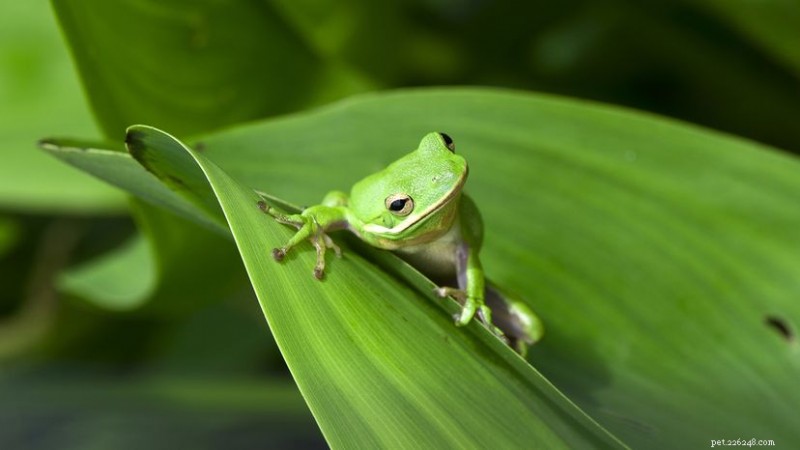
Thinking of a pet that hops instead of walks? Frogs offer a unique blend of visual appeal and low‑maintenance care. From the vibrant American green tree frog to the striking tomato frog, these amphibians can bring a slice of nature into any home.
Why Frogs Make Great Pets
Pet frogs are generally calm, quiet, and easy to observe. They require no daily walks, grooming, or large living spaces, making them ideal for apartments and small houses. Most species thrive on a simple diet of insects, and their natural behaviors—such as rapid jumps and distinctive vocalizations—provide endless fascination.
Regardless of whether you choose a tree, aquatic, or terrestrial species, a well‑constructed enclosure that mimics their native habitat is crucial. Many frogs come from warm, humid ecosystems, so replicating those conditions with live plants, natural substrates, and clean water promotes health and longevity.
Captive‑bred frogs tend to be healthier and better adapted to domestic life than wild‑caught specimens, reducing the risk of disease and illegal trade.
Building a Natural Habitat
Your enclosure should reflect your frog’s ecological niche. Half‑land, half‑water tanks work for semi‑aquatic species, while terrestrial frogs need ample soil and leaf litter. Aquatic species such as the African dwarf frog require filtered, dechlorinated water; terrestrial species like the Pacman frog thrive on moist soil.
Choose a terrarium, vivarium, or aquarium with a secure lid. For diggers, use coconut fiber or fine soil; for aquatic setups, opt for sand or large gravel that won’t be ingested. Live plants—ferns, bromeliads, and pothos—improve air quality and provide natural cover.
Incorporate branches and cork bark for tree frogs, and use thermometers and hygrometers to monitor temperature (72–82 °F / 22–28 °C) and humidity. Misting the enclosure daily and cleaning waste regularly keeps odors low and prevents fungal growth.
Dietary Essentials
Frogs are obligate carnivores and require live prey. Commonly fed insects include crickets, mealworms, moths, flies, and small beetles. Aquatic species may also consume brine shrimp or bloodworms. Dust food with calcium and vitamin D3 supplements to support bone health.
Feed adult frogs every 2–3 days; juveniles need daily meals. Observe feeding behavior—most frogs chase moving prey—and diversify the diet to avoid nutritional deficiencies. Be cautious of cannibalism in multi‑frog enclosures.
Handling & Health Care
Frog skin is permeable and sensitive; avoid frequent handling. If necessary, use gloves or wash hands with dechlorinated water to prevent chemical transfer.
Signs of illness include loss of appetite, abnormal skin texture or color, swelling, lethargy, and irregular waste. Prompt veterinary care from an amphibian specialist is essential.
Preventive measures: keep the enclosure clean, maintain proper temperature and humidity, and avoid contaminated food. Thermal gradients allow frogs to self‑regulate their body temperature.
Popular Pet Frog Species
- American Green Tree Frog – Small, bright green, and common in pet stores.
- Dart Frog – Vividly colored; toxic in the wild but safe in captivity.
- White’s Tree Frog – Hardy, blue‑green, and known for its plump appearance.
- Pacman Frog – Large, terrestrial, and voracious; requires spacious housing.
- Red‑Eyed Tree Frog – Iconic red eyes and vivid green body.
- Pixie Frog – Large, aggressive eaters; suited for experienced keepers.
- Tomato Frog – Orange‑red, terrestrial; secretes a sticky defense.
- Oriental Fire‑Bellied Toad – Bright belly; semi‑aquatic lifestyle.
Each species has unique care requirements. Some tolerate handling better, while others need higher humidity or longer lifespans. Thorough research is essential before purchasing.
Key Considerations
- Amphibians differ from reptiles; they require consistent moisture, clean water, and specific temperature/humidity.
- Never house frogs with incompatible species—different humidity and diet needs can cause stress.
- Avoid wild‑caught frogs; they may carry diseases and can be illegal to collect.
- Use natural, non‑leaching decorations to create a safe, stress‑free environment.
13 Essential Tips for Frog Owners
- Choose the right enclosure: terrarium, vivarium, or aquarium.
- Match the environment to your frog’s natural habitat.
- Include live plants for realistic aesthetics.
- Avoid handling unless necessary.
- Clean waste promptly.
- Use dechlorinated water.
- Monitor behavior for stress signals.
- Store food and supplies properly.
- Maintain appropriate substrate: soil, gravel, or bark.
- Control humidity and temperature.
- Provide enrichment: branches, hides, climbing structures.
- Purchase from reputable breeders or pet stores offering captive‑bred frogs.
- Check compatibility before housing multiple frogs.
With proper care, pet frogs can thrive for years, offering a fascinating glimpse into the amphibian world. Whether you choose a green tree frog or a chunky tomato frog, you’re adding a living piece of nature to your home.
- Expert Insight: Dr. Michael Linton Discusses Feline GI Eosinophilic Sclerosing Fibroplasia
- Why Do Dogs Drink from the Toilet? Understanding the Behavior and How to Stop It
- Top 11 Extra‑Large Dog Breeds: Size, Temperament & Care Tips
- Top Dog Toy Storage Baskets of 2022: Organize Playtime & Protect Your Home
- Mastering Complex Veterinary Topics with Confidence
- Dog Treat Recipes for Sensitive Tummies – Vet‑Approved, Delicious & Gentle
- Choosing Between One or Two Ragdoll Kittens: What You Need to Know