

Hazardous Plants That Threaten Your Dog’s Health
Dogs can be very energetic and curious creatures. Especially in the puppy stage, they like to put things in their mouth and chew on or consume things that they shouldn't. This behavior can be very dangerous, especially if a dog eats the wrong plant.
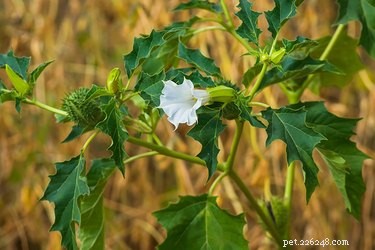
The vibrant yellow blooms of tansy may be lovely, but their toxic thujone content can cause liver and kidney damage in dogs. Likewise, the aptly named death camas contains neurotoxic alkaloids that can cause trouble breathing, convulsions, and death in dogs if eaten. Cowbane typically grows in damp meadows and exudes a smell similar to that of parsnips or carrots. If consumed by a dog, this plant can cause everything from stomach upset to seizures and death.
Mildly toxic weeds for dogs
Not all potentially toxic weeds for dogs are deadly, but that doesn't mean that they won't make your dog very sick. Wild plants like bishop's weed, which is similar in appearance to Queen Anne's lace, contains calcium oxalates that can cause dermatitis and sunburn. The same is true of buckwheat, which contains a different toxin called fagopyrin.
Around 50 species of flowering weeds belong to the Conyza, or horseweed, genus, and they are mainly found in the warm and temperate regions of the world. This plant, also called fleabane and butterweed, can cause mild vomiting and diarrhea in dogs.
Although ivy is sometimes used as a decorative garden accent, this hardy plant might also be found in the wild and can cause stomach upset and drooling if eaten by your dog. Commonly used in floral arrangements, baby's breath is also considered an invasive weed in some areas. It can lead to vomiting and diarrhea if eaten.
Weeds that can injure dogs
Although not poisonous to dogs, foxtails can seriously injure your dog if he encounters them. Foxtails themselves are the spiky seed pods that sit at the top of tall meadow grasses in the Setaria or Alopecurus genera of the Poaceae family. These sharp seed heads can imbed themselves into your dog's skin, causing painful infections of the paws, ears, nose, eyes, and genitals. If your dog inhales them, they can do severe damage to his lungs. Or, if he eats them, they can perforate his intestines.
Always check your dog for foxtail injuries on their body, face, and feet, and watch for signs of internal injuries like trouble breathing, lethargy, or a lack of appetite. Bring your dog to the vet right away to treat any suspected foxtail injuries.
What to do if your dog ate a poisonous weed
Pups can be pretty fast on their feet, and if your dog has gotten away from you and managed to chomp on one of the potentially poisonous plants for dogs, you'll need to get him veterinary care right away. Don't wait for any signs of poisoning to occur.
First, try to remove any plant matter from your dog's mouth. Then, take a sample of the plant to bring with you to the vet. You'll also want to take a few pictures of the weed complete with any ornamental blooms so your vet can more easily identify it. You can even contact the pet poison helpline with these pictures to help identify the plant and its poison.
Weed killers and dogs

When dealing with weeds, avoid using weed killers in or around your yard to get rid of them. These chemicals contain toxins that could hurt your dog, even if she eats something nontoxic, like crabgrass, that is tainted with the weed killer.
- Pet Behavior
- Pet Breeds
- Pet Names
- Pet Adoption
- Pet Training
- Pet Information
- Pet Health
- Adorable Pets
- Dogs
- 7 Common Mistakes That Trigger Your Dog’s Depression – How to Fix Them
- Do Dogs Practice Monogamy? Understanding Canine Relationship Patterns
- Top Protective Dog Breeds: Loyal Guardians Built for Safety
- Low‑Maintenance Small Dogs: The Perfect Companion for Any Lifestyle
- Foxtails Threaten Dogs: Protecting Your Pet from Hidden Hazards
- Understanding Dangerous Dogs: Legal Definitions, Breed Bans, and Safety Measures
- Dangerous Human Foods for Dogs: 10 Items to Keep Away