

Why Do Dogs Chase Their Tails? A Veterinary Guide to Play, Stress, and Health
Dogs are full of quirks, and tail chasing is one of the most curious behaviors owners encounter. While it can be endearing, it can also signal underlying health or behavioral issues. This guide draws on veterinary behaviorists’ expertise to help you determine whether your dog’s tail‑whirl is harmless play or a sign to seek professional help.
Is Tail Chasing Normal in Dogs?
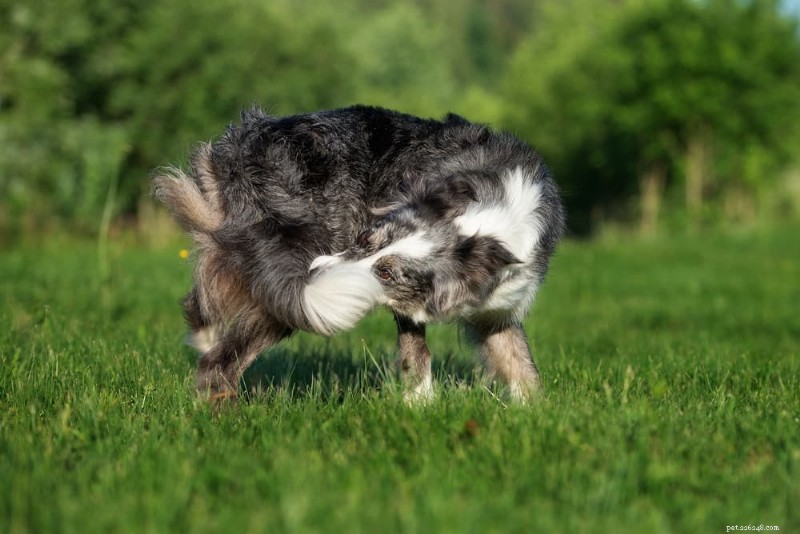
Tail chasing does occur in many dogs, especially during the playful phase of puppyhood. According to Dr. Leanne Lilly, a veterinary behaviorist at Ohio State University College of Veterinary Medicine, “When a young dog jumps a few times to catch its tail and then releases it, it’s typically a playful instinct.”
Dr. Julia Albright, another respected veterinary behaviorist, notes that “puppies up to 18 months old often use tail chasing as a form of play.” She adds that the behavior is usually brief and occurs intermittently.
If tail chasing is brief, short‑lived, and your dog is otherwise alert and engaged, it is likely benign. However, “persistent, obsessive chasing that takes priority over other activities is a red flag,” says Dr. Lilly. “In such cases, a veterinary evaluation is warranted.”
Breed predisposition also plays a role. Bull Terriers and German Shepherds have been reported more frequently to chase their tails, according to Dr. Lilly’s observations.
In summary, brief, intermittent tail chasing in a young, otherwise healthy dog is typically normal. Frequent or obsessive chasing, especially in older dogs, warrants a veterinary check‑up.
What Drives Dogs to Chase Their Tails?
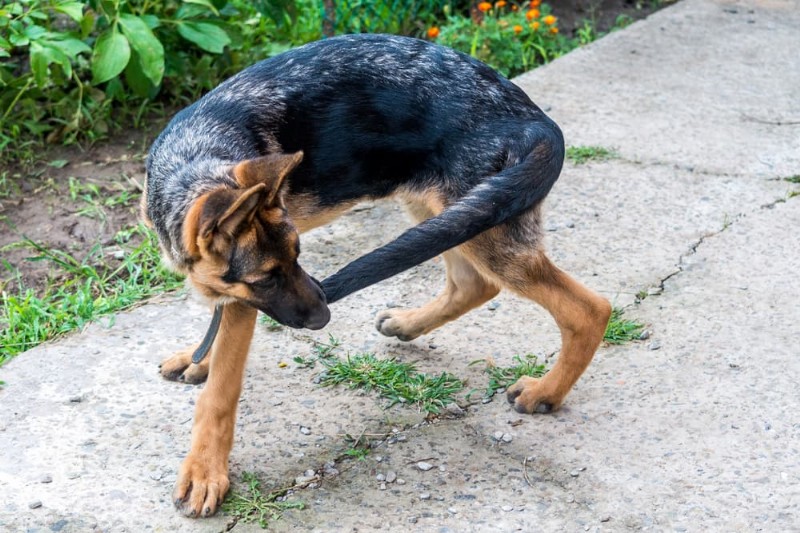
When a dog spins in circles, it can feel puzzling for owners. Below are the main emotional and physical drivers behind this behavior.
Stress and Anxiety
Wild canids rarely chase their tails, but captive wolves—and some captive big cats—do so, indicating a stress response. Dr. Lilly explains, “Tail chasing can serve as a coping mechanism when a dog feels anxious or frustrated.”
Dr. Albright shares a case: “One of my dogs loves walks but gets frustrated when he can’t go out. He’ll chase his tail, which is a clear stress‑relief attempt rather than a medical issue.”
Obsessive‑Compulsive Disorder (OCD)
Like humans, dogs can develop compulsive behaviors. Dr. Albright points out that a trigger may initiate tail chasing, which can persist even after the stressor is removed. Certain breeds, such as Bull Terriers and German Shepherds, are more prone, but a dog’s breed alone does not confirm compulsive behavior.
Pain, Discomfort, and Medical Conditions
A dog’s tail is a complex structure of vertebrae, muscles, cartilage, and nerves, making it vulnerable to injury, infection, or disease. “Tail pain is a common reason dogs chase their tails,” says Dr. Lilly.
Common, treatable culprits include:
- Fleas and flea bites
- Hot spots—localized skin inflammation
- Anal gland irritation
More serious conditions that may provoke tail chasing are:
- Skin injuries or wounds
- Tumors or growths
- Arthritis or joint inflammation
- Bone fractures or infections
- Spinal cord injury or disease
Because dogs cannot verbally express pain, owners should watch for signs such as:
- A limp or abnormal tail position
- Discomfort when the tail is touched
- Swelling, kinks, or bumps along the tail
Dr. Lilly cautions that “excessive spinning or chasing for more than 10 seconds, especially in dogs older than a year, should prompt a veterinary visit.”
In rare cases, repetitive tail chasing can be a subtle indicator of neurological or seizure activity, underscoring the importance of professional evaluation.
How to Stop or Reduce Tail Chasing
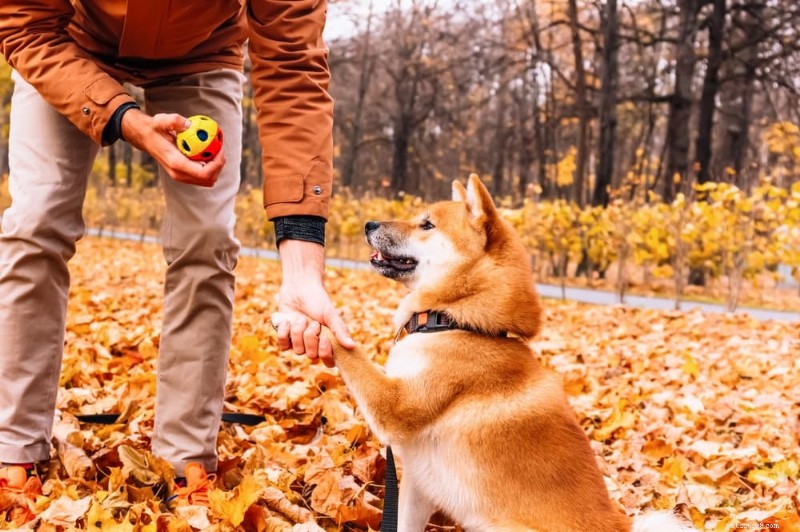
The first step is to identify the underlying cause. If tail chasing lasts longer than 10 seconds or occurs in a dog older than 18 months, Dr. Lilly recommends a veterinary examination before trying behavior modifications.
Once medical issues are ruled out, consider these strategies:
- Don’t Reward the Behavior. Laughing or giving attention when your dog spins can reinforce the habit, similar to how “ice cream” cues excite children at parties.
- Redirect Gently. During a spin, calmly call your dog’s name and offer a distraction—tricks, a short walk, or a favorite toy. If your dog is not yet trained, use this opportunity to teach a few commands.
- Avoid Food Rewards for Non‑Chasing. Treats can create a loophole, encouraging the dog to chase again for a snack.
- Never Physically Restrain. Restraining a dog mid‑spin increases stress and can exacerbate the problem.
Additional Tips and Prevention

Understanding triggers is key. Common environmental stressors include vacuum cleaners, mail delivery, loud garbage trucks, or nearby children. If your dog starts spinning when these stimuli appear, try to mitigate the trigger.
Dr. Albright suggests using calming strategies: play background music during garbage truck arrivals or provide a scheduled snack with a timer to associate the noise with positive reinforcement. Over time, this reassociation can reduce the stress response.
Ultimately, vigilant observation and timely veterinary consultation are the most reliable ways to address tail chasing. Most dogs that exhibit occasional, brief tail chasing are perfectly healthy; persistent or severe chasing warrants a professional assessment.
And yes—while you may have to accept the occasional butt‑sniff, tail chasing usually isn’t a cause for concern when managed appropriately.
- Pet Behavior
- Pet Breeds
- Pet Names
- Pet Adoption
- Pet Training
- Pet Information
- Pet Health
- Adorable Pets
- Dogs
- Understanding Meningitis in Dogs: Symptoms, Risks, and Treatment
- Do Dogs Mistake Toys for Puppies? Insights into Maternal Instincts in Dogs
- Choosing the Perfect Cat Hammock: Comfort, Value, and Tips
- Teach Your Dog the 'Get My Slippers' Fetch Trick – Easy Steps for All Ages
- Stop Puppies from Jumping on People – Quick, Proven Training Tips
- Vet-Approved: The Best Dog Nail Clippers for Safe, Easy Trimming
- Everything You Need to Know About Havanese Dogs: Breed, Temperament, and Lifespan