

Why Dogs Tilt Their Heads: Insights into Curiosity, Learning, and Health
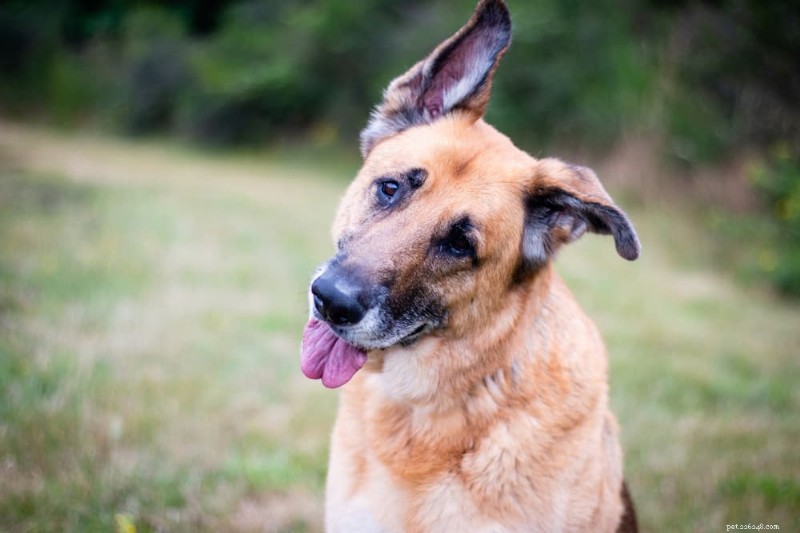
Dogs communicate through a rich tapestry of vocalizations and body language, yet without shared words, we often rely on subtle cues to understand their feelings. A relaxed posture with a half‑open mouth typically signals happiness, while a still dog licking its lips may be fearful or stressed. Head tilting, however, stands out as a uniquely expressive gesture that can indicate curiosity, attention, or even medical concerns.
In this article, we consulted board‑certified veterinary behaviorists to unpack the science behind this familiar look—think Scooby Doo’s puzzled “Aroo?”—and to help you discern when a head tilt is merely a playful quirk or a red flag for health issues.
Is Head Tilting Normal in Dogs?

The normalcy of a head tilt depends on the individual dog and the situation in which it occurs. Some dogs tilt more frequently than others, and the exact reason remains an active area of research.
"We know that certain dogs will tilt their heads more often, but we don’t yet fully understand why," says Ellen M. Lindell, VMD, DACVB, a board‑certified veterinary behaviorist at Veterinary Behavior Consultations in Asheville, North Carolina.
A recent study examined 40 breeds and tested their ability to learn and recall toy names. Seven dogs excelled at the task, and those same dogs tilted their heads 43 % of the time—while the remaining breeds tilted only 2 % of the time. Although preliminary, the data suggest a possible link between head tilting and advanced word recognition. More research is needed to confirm this association and to explore potential breed‑specific patterns.
What Drives Head Tilting?

One of the most common triggers is auditory stimulation. Amy Learn, VMD, DACVB, Chief of Clinical Behavioral Medicine at the Animal Behavior Wellness Center in Richmond, Virginia, explains that dogs often tilt their heads when processing a sound or word they have been trained to recognize.
Not every dog learns every label, and not every word‑recognizing dog tilts. Some dogs may lean to the left, others to the right—an individual preference that does not detract from the underlying purpose of the tilt.
Head tilting can also serve as an attention‑seeking tool. While dogs may not intentionally aim to look “cuter,” one study found that a tilted head can increase perceived cuteness. When owners respond with laughter, praise, or treats, the behavior is reinforced, encouraging repetition.
On the other hand, a sudden onset of head tilting—especially in senior dogs—warrants a medical evaluation. A new, persistent tilt often signals an underlying health problem. "New behavioral traits that appear abruptly are usually associated with a medical issue," notes Dr. Lindell.
When a Head Tilt Signals a Health Problem
Medical causes typically produce a constant tilt that occurs regardless of activity. The dog may also circle, show head, ear, or neck pain, vomit, have abnormal eye movements, or struggle to hold its head upright.
- Head, ear, or neck pain
- Vomiting
- Abnormal eye movements
- Lowered head carriage or difficulty holding the head up
- Falling over
- Inability to stand
Conditions affecting the brain, brainstem, vestibular system, or inner ear—often inflammatory or infectious—can all cause a persistent tilt. Ear infections may also prompt head shaking, a distinct but related behavior.
Some seniors develop “old dog vestibular disease,” a benign vestibular disorder that manifests as a head tilt, circling, and balance issues. Only a veterinarian can differentiate this from more serious illnesses.
If your dog shows no pain or agitation and only offers a brief, curious tilt, it is most likely a harmless behavioral quirk—brief, accompanied by an expression of curiosity, as Dr. Lindell describes.
When in doubt, especially if the tilt is new, persistent, or accompanied by any of the symptoms above, seek veterinary care promptly. Early diagnosis can prevent serious complications.
- Pet Behavior
- Pet Breeds
- Pet Names
- Pet Adoption
- Pet Training
- Pet Information
- Pet Health
- Adorable Pets
- Dogs
- Preventing and Managing Ethylene Glycol Poisoning in Pets
- Why Does Your Dog Bark When You Jump Into the Pool?
- Wallaroo Profile: Behavior, Care, and Ownership Guide
- Understanding Tarantula Molting: Growth, Regeneration, and Reproduction Explained
- Color Dilution Alopecia in Dogs: Symptoms, Causes, and Effective Care
- Can Cats Experience Separation Anxiety? Key Signs & Solutions
- Managing Recurrent Bladder Infections in Your Akita: Lowering Urine pH and Reducing Risk