

Dog Car Anxiety: Expert Tips for Stress‑Free Road Trips
All featured products are chosen at the discretion of the GreatPetCare editorial team and do not reflect a direct endorsement by the author or reviewer.
Traveling with a dog demands careful preparation—snacks, water, a comfortable bowl, favorite toys, and a cozy blanket are all essential. When your canine companion also struggles with car anxiety, the journey can become even more stressful. Fortunately, with the right training and coping tools, you can transform road trips from stressful to soothing for both of you.
In this guide, we’ll explain how to recognize car anxiety, why it happens, and the most effective strategies—ranging from gentle training techniques to vetted medications—to help your dog enjoy the ride.
Symptoms of Dog Car Anxiety
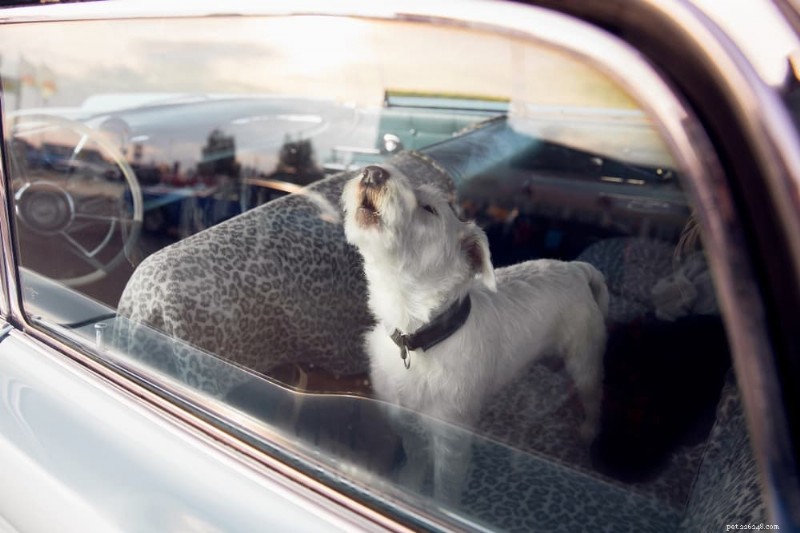
When a dog only appears nervous before or during a drive, it’s a clear sign of car anxiety, according to Dr. Katherine A. Houpt, DVM, a veterinarian and James Law Professor Emeritus of Behavior Medicine at Cornell University College of Veterinary Medicine.
Typical indicators of car‑related anxiety include:
- Whining, panting, or excessive drooling
- Barking
- Pacing or attempting to hide
- Yawning
- Lip‑smacking
- Vomiting
- In‑car accidents
- Aggression, such as self‑harm or biting
These signs can also signal motion sickness. If the symptoms appear a few minutes into the drive, the dog may simply be queasy. In such cases, the anxiety often stems from a negative association with nausea. An antiemetic like Cerenia can break that cycle.
Cerenia is the first FDA‑approved drug specifically designed to prevent nausea and vomiting caused by motion sickness in dogs. It requires a prescription, so consult your veterinarian to see if it’s appropriate for your pup. Cerenia should be given at least two hours before travel—ideally with a meal—to ensure maximum effectiveness.

Why Dogs Experience Car Anxiety
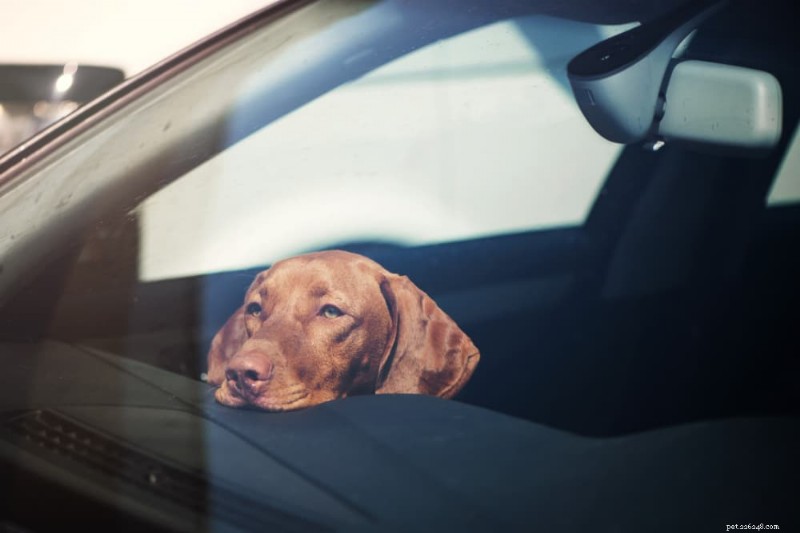
Understanding the root cause is essential for selecting the right solution. Dr. Sara Ochoa, a Texas‑based veterinarian, notes that many dogs simply lack exposure to car travel. Repeated, positive experiences can help reshape this relationship.
Negative associations also play a role. Some dogs view a car ride as a prelude to vet visits or grooming sessions—situations many dogs dread. Other triggers include traumatic memories of car accidents or abandonment outside a vehicle.
Professional Strategies to Alleviate Car Anxiety
Assess the severity of the situation. If your dog’s behavior risks a collision or requires frequent stops to calm down, seek veterinary guidance promptly. A vet may recommend lifestyle adjustments, behavioral therapy, or medication to address underlying health issues.
After a clean health check, the following evidence‑based techniques can make a significant difference:
1. Use Dog‑Friendly Restraints
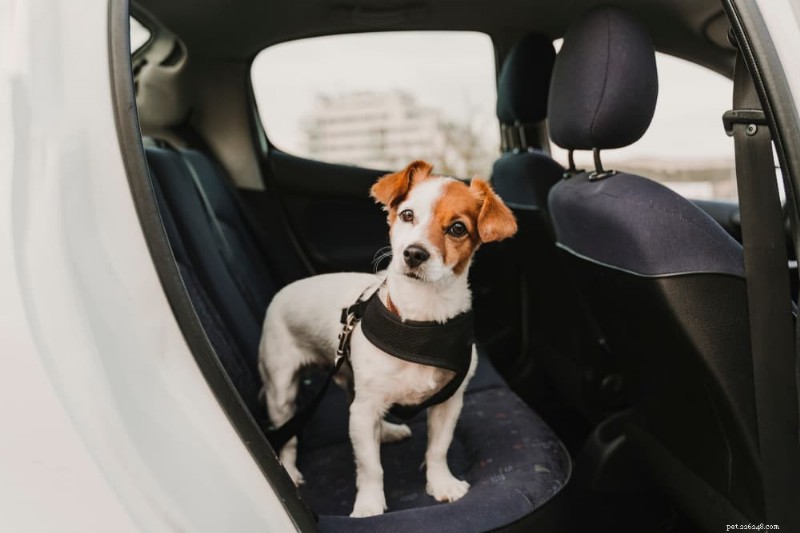
Invest in a well‑fitted crate, car carrier, or seatbelt harness. A secure, comfortable space promotes calmness and safeguards both you and your dog during the drive.
2. Build Positive Associations
Turn the car into a reward zone. Offer high‑value treats outside the vehicle, at the foot of the car, and eventually inside the backseat. Pair each step with gentle praise and play to create counter‑conditioning, turning a feared environment into a source of positive reinforcement.
3. Start with Short “Joy Rides”
Once the dog is comfortable entering the car, begin with brief, enjoyable trips to familiar places—like the dog park or a neighbor’s house. Start the engine, provide treats, and celebrate progress with enthusiasm.
4. Maintain Comfort During the Journey
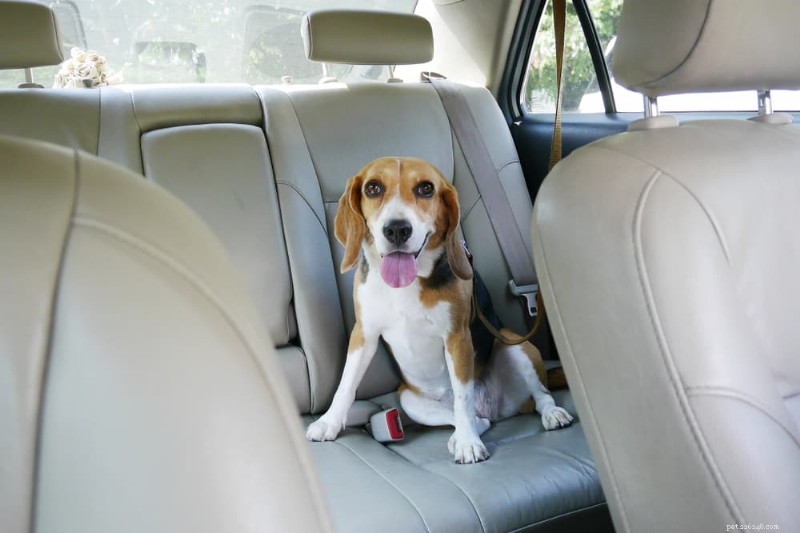
Control temperature with the AC or heater, keep music at a moderate level, and avoid startling the dog. Never leave a dog unattended in a vehicle; heat stroke and hypothermia can develop rapidly.
5. Schedule Predictable Pit Stops
Stick to your dog’s regular feeding, water, and bathroom schedule. If you typically feed at 5 p.m., plan a break at the same time during long drives. Consistency reduces anxiety.
6. Explore Calming Supplements
Over‑the‑counter options—such as chews, powders, or sprays—can help some dogs stay relaxed. While research is ongoing, many pet owners report positive results. Discuss these choices with your vet to ensure they’re safe and suitable for your dog.
7. Exercise Patience and Gradual Progress
Behavioral change takes time. If your dog panics, back off, re‑introduce the car in smaller increments, and celebrate each milestone. A steady, compassionate approach yields lasting results.
With the right preparation and professional guidance, you can transform car anxiety from a roadblock into a smooth, enjoyable experience for your dog—and you.
- Pet Behavior
- Pet Breeds
- Pet Names
- Pet Adoption
- Pet Training
- Pet Information
- Pet Health
- Adorable Pets
- Dogs
- Why Your Dog Growls When Lifted: Signs of Pain & How to Safely Address It
- Top 10 Largest Domestic Cat Breeds for Homeowners
- QQPETS Expands: Packaging Department Relocates to State‑of‑the‑Art Facility
- Do Dogs Truly Sense Vibes? Expert Insights Into Canine Sensitivity
- 30-Day Dog Weight Loss Plan: Safe & Effective Steps to Slim Your Overweight Pet
- 8 Predators That Endanger Horses: Expert Insights
- How Diet Influences Your Dog’s Behavior: What You Need to Know