

Why Dogs Eat Grass – The Science, Safety, and When to Worry
As omnivores, dogs thrive on a diet that includes both animal proteins and plant matter. Yet many owners are surprised to find their pets chewing on lawn grass. Is this behavior simply harmless or does it signal a health concern?
Veterinary professionals consistently report that grass eating is a common and usually benign habit. “It is extremely common for dogs to nibble on grass,” notes Dr. Katie Pagán, partner veterinarian at Heart + Paw in Maryland. “Nearly every dog will do it at least once in its life.”
How Common Is Grass Eating in Dogs?
Recent surveys indicate that almost 90 % of pet owners have observed their dogs eating grass or other green plants, and 68 % of those dogs consume plants on a daily or weekly basis. Puppies are particularly prone to this behavior, often driven by curiosity, boredom, or teething, according to Dr. Megan McCarthy of the Best Friends Animal Society Lifesaving Center.
While there is no breed‑specific trend, Labrador Retrievers are frequently reported to eat everything—including grass—highlighting that some breeds may simply have a broader appetite. Nonetheless, the prevailing consensus is that grass chewing is a normal part of canine behavior, provided it occurs in moderation.
Why Do Dogs Eat Grass?
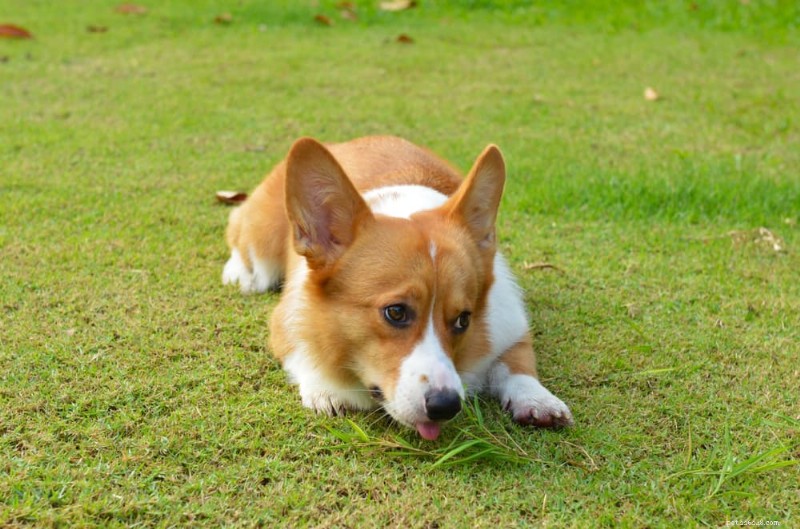
Owners often wonder why their dogs, already fed a balanced diet, choose grass. One theory is that grass triggers mild nausea, prompting a dog to vomit and relieve discomfort. However, studies show that only about 25 % of dogs actually vomit after eating grass, and just 10 % of owners report illness preceding the behavior.
More frequently, grass provides a source of fiber that can aid digestion and bulk up stools, as Dr. McCarthy explains. A University of New England study found that dogs tend to eat grass before a kibble meal and less afterward, suggesting they treat grass as a legitimate food item. When a dog is on a complete commercial diet, additional supplements are usually unnecessary.
In rare cases, persistent grass chewing may indicate pica—a compulsive ingestion of non‑food items linked to mineral or nutrient deficiencies. True pica is uncommon; a balanced diet generally rules it out.
What to Do If Your Dog Is Eating Grass
In most situations, there is no need to intervene. However, owners should ensure that their dogs are not ingesting harmful items that may coexist with grass, such as twigs, plastic, or toxic mulch. Twigs can lodge in the gastrointestinal tract, while plastic can cause blockages that may require surgery.
Hazardous lawn materials include cocoa mulch (toxic to dogs), pesticide sprays, certain fertilizers, and plants like azaleas, oleanders, and tulips. If unsure, consult a veterinarian or the Pet Poison Hotline.
Parasites such as hookworms and roundworms can also be picked up from soil. Routine deworming—often included in monthly heartworm preventatives—effectively mitigates this risk.
Leaves are generally safe unless they come from poisonous trees or shrubs. Eating leaves is often a playful or curious behavior in puppies. Avoid leaf piles that may harbor bacteria or fungus.
Should a dog consume excessive grass, watch for signs of gastrointestinal upset—vomiting, diarrhea, constipation, or refusal to eat. If symptoms persist beyond 24 hours or if the dog shows signs of bloat (abdominal distension, panting, retching without expulsion), seek veterinary care immediately, as bloat is life‑threatening.
How to Stop a Dog From Eating Grass

When the habit becomes problematic, distraction is key. Guide the dog away from the grass with a leash and engage them with toys or a short walk. Bitter‑apple spray can deter chewing, but its effect is short‑lived.
For dogs with a history of foreign‑body ingestion, some owners have used “grazing” or “basket” muzzles, though these should only be considered under veterinary guidance. Most dogs, however, simply outgrow the habit without intervention.
Dog Eating Grass FAQs
Is it okay for dogs to eat grass?
Generally, yes. Occasional or routine grass chewing is normal. Excessive consumption can lead to gastrointestinal upset or, in rare cases, signal a medical issue such as pica. Consult a veterinarian if you have concerns.
Is grass good for dogs?
Grass can add fiber and aid digestion, but moderation is essential. Overconsumption may cause GI problems. A balanced commercial diet usually meets all nutritional needs.
Why do dogs eat grass and vomit?
Grass can irritate the stomach, prompting vomiting that may relieve mild nausea. Nonetheless, less than 25 % of dogs actually vomit after eating grass, indicating that vomiting is not a guaranteed response.
- Pet Behavior
- Pet Breeds
- Pet Names
- Pet Adoption
- Pet Training
- Pet Information
- Pet Health
- Adorable Pets
- Dogs
- Effective Home Remedies to Safely Reduce Weight in Overweight Cats
- Boost Your Adopted Pet’s Confidence: 8 Proven Tips
- What Your Dog’s Behavior Reveals About You
- American Cream Draft Horse: Elegant, Easy‑Going Giants for Work and Show
- Anesthesia for Dogs and Cats: Essential Care Tips
- Discover 24 Native Florida Frog Species – Complete Guide with Photos
- Belgian Malinois: The Ultimate Guide to This Elite Herding Shepherd