

Understanding Why Dogs Nip Without Biting: Causes, Signals, and Prevention
Dogs communicate by using different parts of their body — it's the only tool they have. Dogs nip to express the full spectrum of their emotions. They may nip to signal that they want to play, they may be protecting something they love, or they may accidentally nip out of sheer excitement. Dogs nip out of fear and anger as well, and this nipping can lead to aggression.
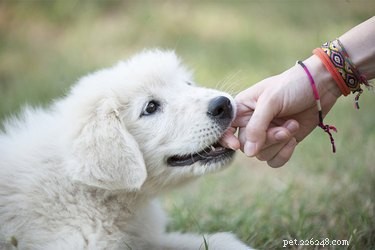
Both puppies and adult dogs can learn to restrain the force of their nips with a technique called bite inhibition — basically, ask them to back off with a verbal cry of pain, like "ouch," and then walk away.
Dealing with adult dog nips
It's going to be more difficult to correct nipping behaviors in adult dogs, but it can be fixed. It's important to correct this because adult dogs have significantly stronger jaws compared to puppies. Discourage dog nips the same way you'd teach puppies.
Just like puppies, adult dogs need mental and physical stimulation. Ample playtime will temper excessive nipping behaviors caused by playfulness. Just like puppies, teach bite inhibition so they learn that nips do not equal success. Additionally, direct adult dogs toward toys when they are too rambunctious and don't roughhouse with them.
If these methods don't work, many adolescent and adult dogs respond well to time-outs in 10- to 20-second intervals.
Difference between dog nips and bites
When dogs nip because they are afraid, stressed, or frustrated, nipping can quickly escalate to biting and aggressive behavior. Dogs that are nipping because they want to play show relaxed body language with a loose body and a lack of tension in their face.
An aggressive dog, on the other hand, will look tense and have a rigid stance. Aggressive dogs may also purse their lips to expose their teeth or may growl. Both playful and aggressive dogs can wrinkle their muzzles; the difference is that playful dogs won't show tension in their face.
If your pet's nipping is associated with any type of aggression, it's crucial to stop what you're doing and leave the area once the dog has settled or walked away. If your dog is lunging or attempting to nip or bite, restrain her with a leash break by standing on the leash as you hold the handle. Don't turn away from your dog; you need to keep her in eyesight so she doesn't nip or bite anyone, including yourself.
Stop nipping behavior
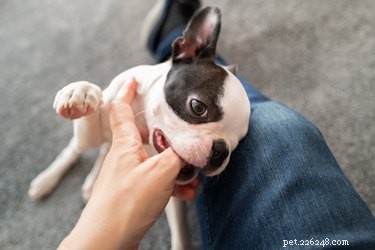
If the nipping behavior continues or worsens, it's crucial to seek the help of a vet, behavior specialist, or dog trainer. These professionals can help assess your dog's personal needs, and veterinarians can rule out any physical issues that may be causing the problem. Dogs in pain, for example, may react with aggression, and sudden behavioral changes always necessitate a vet visit.
If you allow the nipping or biting to continue, there's a chance your dog will eventually bite someone. Dog bite laws vary depending on where you live, but every dog bite — even ones that seem innocent — needs to be reported. After filing a police report, the person who was bit needs to be seen by a doctor, as one of the potential health consequences is rabies. It's possible that your dog will be quarantined to your home while an investigation follows, and officers assess your dog's risk based on his pattern of behavior and interviews with people involved.
- Pet Behavior
- Pet Breeds
- Pet Names
- Pet Adoption
- Pet Training
- Pet Information
- Pet Health
- Adorable Pets
- Dogs
- Understanding Why Your Dog Stalks Other Dogs: Causes & Solutions
- Why Dogs Snuggle With You: The Significance of Their Cuddling Behavior
- Why Dogs Sit on You: Understanding Their Comfort and Connection
- Decoding Dog Licks: What Your Furry Friend Is Trying to Tell You
- Why Your Dog Licks You: Understanding the Meaning Behind Their Licks
- Understanding Why Dogs Lick You: Signs, Reasons, and What It Means
- Decoding Dog Barking: What Every Owner Should Know