

How Anesthesia Affects Your Dog's Stomach: Risks, Symptoms, and Care
Anesthesia is commonly used for many dog surgeries and dental procedures so that your dog stays completely still and does not feel pain during the procedure. In most cases, surgeries are routine with few side effects, though you may see some dog sedation side effects, like diarrhea and upset stomach.

If your dog is vomiting or having diarrhea, especially if blood is present, contact your vet right away. Your vet may recommend withholding food or feeding your dog a bland diet.
Another potential issue after anesthesia is a failure to pass stool. This is common for the first couple of days since your dog's digestive tract was emptied when he fasted before surgery. However, if your pup hasn't had a bowel movement within five days of the surgery, contact your vet.
Other surgery side effects
Anesthesia may make your pet groggy and sleepy when you first bring her home from the vet clinic. Anesthesia may make it difficult for your dog to maintain her body temperature. This is usually not a concern by the time you bring her home, but it is still good to make sure she has a comfy bed set up away from any drafts.
Your dog is unlikely to be interested in eating or drinking the evening after her surgery. However, she should start eating again the following morning.
Monitor for any symptoms that may require veterinary follow-up. These include breathing difficulties, coughing, pale gums, and lethargy that continues after the first day or two.
Post-surgical care for dogs
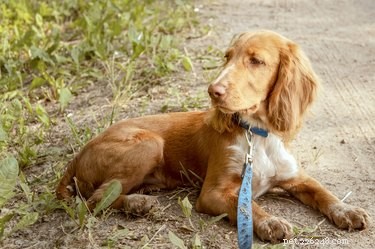
Follow all of your vet's instructions for care after surgery. He may recommend decreasing food intake for a day or two and feeding your dog a bland diet. Administer medications as recommended. Your vet may prescribe painkillers or antibiotics to prevent infection.
Recovery time can vary depending on the type of surgery. Make sure to keep your dog as quiet as possible during this time to prevent injury or tearing the incision. Don't allow your dog to lick or chew at the incision and check the surgery site regularly for any signs of infection, such as swelling, redness, discharge, or a foul smell.
Keep any follow-up appointments to ensure your pup has a full recovery. While some stitches dissolve on their own, in other cases, you may need to take your dog in to have the stitches removed.
- Pet Behavior
- Pet Breeds
- Pet Names
- Pet Adoption
- Pet Training
- Pet Information
- Pet Health
- Adorable Pets
- Dogs
- Can Your Dog Learn Multiple Languages? Insights & Tips
- Do Dogs Really Count? A Scientific Look at Canine Numeracy
- Can Dogs Be Gay? Insights into Canine Sexual Orientation
- How to Soothe Your Dog’s Upset Stomach: Safe Home Remedies
- Stomach Tumors in Dogs: Causes, Diagnosis, and Treatment Options
- Relief for Your Dog’s Upset Stomach: Quick, Safe Solutions
- Dog Anesthesia Explained: Local & General Options for Safe Care