

How Many Bones Does a Dog Have? Discover the Exact Count and Its Importance
Dogs have between 319 and 321 bones in their body depending on the length of their tail; dogs with longer tails typically have two extra bones. The total number of bones in dogs is the same for all dogs regardless of their size, from toy poodles to great Danes. It may seem surprising that dogs have more bones than humans, who have 206 bones, but a dog's bones enable them to move and be active in ways that humans do not typically move.
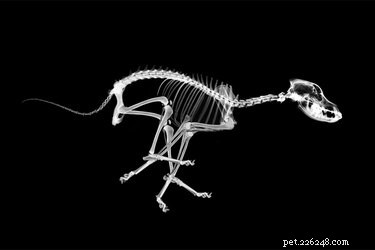
Your dog's bones need to last a lifetime, and the healthier the bones, the better quality of life dogs have even in their senior years. Bones need certain vitamins to grow and maintain good health, so be mindful of the food you feed them from the puppy stage onward by giving them food that is designed for each stage of life. Exercise also helps bones stay strong, so be sure your dog goes for walks and gets active play sessions daily.
People think of calcium for building bones, but dogs also need vitamin D to help their body absorb the calcium and vitamin C for forming the collagen that growing bones need to function well. Vitamin C boosts their immune system so they can fight off germs that come their way. Protein, magnesium, and vitamin K are also important to growing strong bones.
It's much better, however, to make sure dogs get their vitamins and protein through their food, and avoid giving supplements unless your veterinarian recommends them. Although supplements do work well, they can have undesirable side effects if a dog is given too much of them. Before recommending calcium supplements, your vet will order blood tests to determine your dog's blood calcium level. Too much calcium, for example, can actually cause bone abnormalities and other unwanted effects.
Watch out for bone problems

Dogs can develop problems with their bones, including fractures, deformities, tumors, and arthritis, especially as they age. If dogs don't want to do activities they used to do, cry out when touched, are visibly limping, or seem tired all the time, these can be signs of arthritis or other illnesses or diseases that could involve their bones. Your vet may prescribe medication to ease the pain or suggest natural remedies or other therapies if fractures or diseases are determined to be the problem.
- Pet Behavior
- Pet Breeds
- Pet Names
- Pet Adoption
- Pet Training
- Pet Information
- Pet Health
- Adorable Pets
- Dogs
- When Can a Male Dog Safely Begin Breeding?
- How Long Does a Dog’s Pregnancy Last? Find Out When Puppies Are Born
- How Many Nipples Do Cats Typically Have? Explained
- How Many Nipples Do Dogs Have? A Scientific Answer
- How Many Teeth Does a Cat Have? Complete Guide
- How Many Teeth Does a Dog Have? Understanding Your Dog’s Dental Anatomy
- Recognizing and Treating Concussions in Dogs: A Veterinarian’s Guide