

The Ultimate Keeshond Guide: Key Traits, Origins, and Care
 AKC Group
Non-Sporting
 Weight
35-45 lbs.
 Height
17-18 in.
 Life Span
13-15 years
1. Key Characteristics of a Keeshond
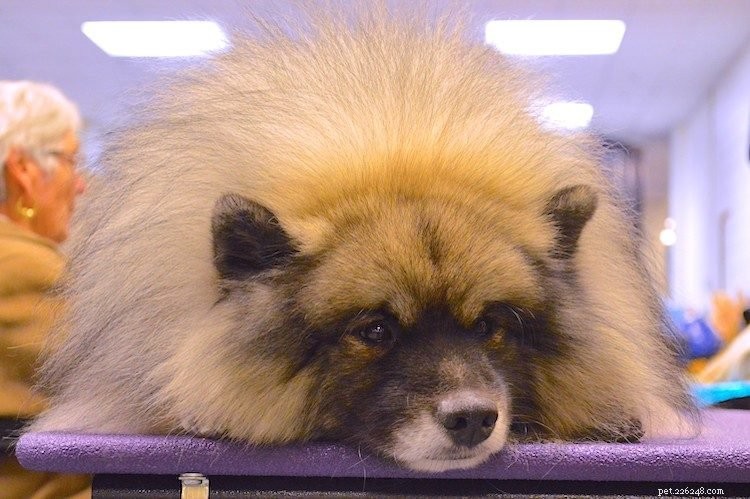
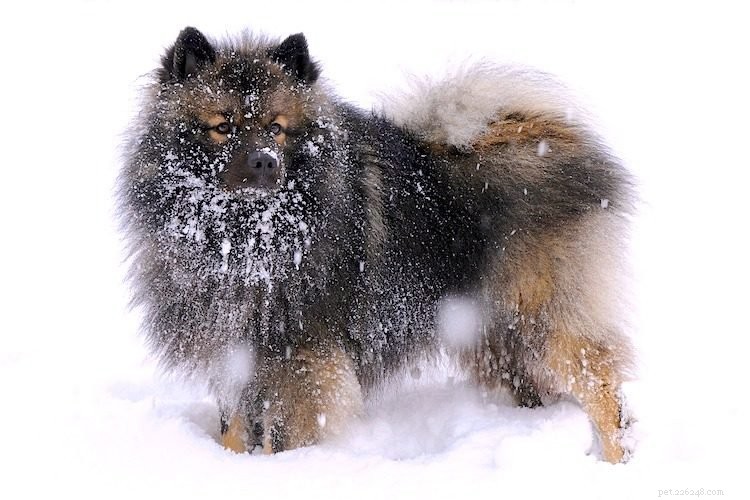
The Keeshond (pronounced “kayz-hawnd”) is an active, medium-sized dog with a fox-like expression. The double coat is thick and comes in colors of gray, black and cream in marked variations throughout the fur.
2. Where the Keeshond Came From
Keeshonden (the plural form of Keeshond) come from the Arctic and descend from the lines that also created these breeds:
- Samoyed
- Chow Chow
- Pomeranian
- Norwegian Elkhound
- Finnish Spitz
The Keeshond was originally used as a watchdog on barges and farms and was known as the Dutch Barge Dog.
The dog was used as a symbol for the Dutch Patriot political party run by Kees de Gyselaer, who also gave the breed its name. The political party was not successful, and the popularity of the breed diminished until around 1920, when a baroness started breeding them again.
Within 10 years, the breed was reestablished and popular in England. The Dutch Keeshond Club was created, and Keeshonden were exported to the United States shortly thereafter.
The breed was recognized by the American Kennel Club (AKC) in 1930.
3. How Friendly Is a Keeshond?
Outgoing, friendly and affectionate, the Keeshond is an active dog who is great for children.
Keeshonden are usually good with other animals and as a watchdog. They can bark — sometimes excessively — but their high intelligence means it wouldn’t be too hard to train them out of that habit.
4. Is This the Right Dog for You?
Exercise Needs
■■■■■■■■HIGH: Keeshonden need daily walks to expel energy. They appreciate a small yard. They’re also active indoors and love to spin in circles inside the home.
Be careful while outdoors, though — their thick coats can make them prone to overheating. Many people tell us their Keeshonden love digging in their water bowls after a session of running around.
Grooming Needs
■■■■■■■■MEDIUM: Brush your Keeshond daily, and know that the undercoat sheds twice a year.
Use a dry shampoo or bathe your Keeshond as necessary. And don’t forget to clip the dog’s nails regularly, brush the teeth and clean the ears.
Health Problems
■■■■■■■■MEDIUM: The Keeshond is susceptible to:
- Hip dysplasia
- Elbow dysplasia
- Patella luxation
- Skin problems (alopecia and coat loss)
- Primary hyperparathyroidism (PHPT)
- Heart disease
They can also become overweight or obese easily, so regulate your Keeshond’s food intake.
More Stats About Keeshonden
| Friendliness | ★★★★★ |
| Ease of Training | ★★★★☆ |
| Barking/Howling | ★★★★☆ |
| Shedding | ★★★★★ |
| Tolerate Being Alone | ★☆☆☆☆ |
| Very Good With Kids | ★★★★★ |
This video shares more about this adorable dog breed:
5. How to Adopt a Keeshond
Getting a Keeshond? Then please check breed rescues and adoption resources first. Even purebred animals can end up in shelters.
Start with Petful’s free online adoptable pet search.
With that said, finding a Keeshond through adoption resources may be difficult. If you go through a breeder, make sure the breeder is reputable and doesn’t exhibit any glaring puppy mill warning signs.
References
- “Keeshond.” American Kennel Club. https://www.akc.org/dog-breeds/keeshond/.
- “About the Keeshond.” Keeshond Club of America. 2017. http://www.keeshond.org/about-the-keeshond.
- Sharp-Bale, Jean. “The History of the Keeshond.” The Keeshond Club. http://www.keeshondclub.org.uk/.
- Keeshond Health Matters. https://keeshondhealthmatters.co.uk/.
- Pet Behavior
- Pet Breeds
- Pet Names
- Pet Adoption
- Pet Training
- Pet Information
- Pet Health
- Adorable Pets
- Dogs
- Bluetick Coonhound: Key Traits, Size, and Care Guide
- What You Need to Know About Briard Dogs: 5 Key Facts
- Top 5 Bulldog Facts You Must Know
- 5 Essential Insights into the Canaan Dog Breed
- Essential Facts About Norwich Terriers: 5 Key Insights
- Essential Insights: 5 Key Facts About Plott Hounds
- The Ultimate Guide: 5 Key Facts About Pomeranian Dogs