

German Wirehaired Pointer: A Versatile, Weather‑Resistant Hunting Companion
Form and Function
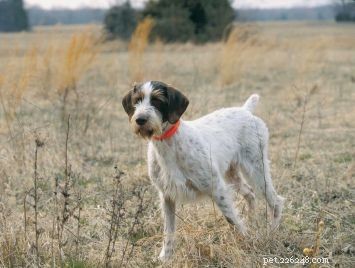
A sturdily built dog, the German Wirehaired Pointer should be able to hike all day through all types of terrain. The weather-resistant, straight wiry coat is an essential breed characteristic. The outer coat is about 1 to 2 inches long, long enough to protect against brambles but not so long that the outline of the dog is obscured. The eyebrows, beard, and whiskers are of medium length. The undercoat is thick in winter for warmth but thin in summer. The coat repels water.
Ready to see what dogs fit you best? Take our short quiz to find out!
Breed Traits
Energy Level
5 out of 5Exercise Requirements
5 out of 5Playfulness
4 out of 5Affection Level
3 out of 5Friendliness To Dogs
2 out of 5Friendliness To Other Pets
3 out of 5Friendliness To Strangers
2 out of 5Watchfulness
4 out of 5Ease of Training
3 out of 5Grooming Requirements
3 out of 5Heat Sensitivity
3 out of 5Vocality
5 out of 5Breed Attributes
Type
Sporting
Weight
45-75 lb
Height
24-26"
Family
Gundog, Pointer, Versatile hunting dog
Area of Origin
Germany
Date of Origin
1800s
Other Names
Deutscher Drahthaariger Vorstehund, Drahthaar
History
When game-bird hunting became accessible to persons of average means, demand for both specialist and versatile hunting breeds soared. The quest for versatile breeds reached its height in Germany, and the German Wirehaired Pointer represents one of the most successful results. Hunters wanted a dog that would locate and point upland game, retrieve waterfowl from land or water, and also function as companion. They were developed to be a close worker over any kind of terrain.
A rough wiry coat was needed to hunt through dense brambles. Their most important ancestor was the Pudelpointer (itself a combination of the old German Pudel and the Pointer), which was crossed with the early German Shorthaired Pointer, Griffon, Stichelhaar, and Polish Water Dog. It was not recognized there officially until the 1920s, the same time the first Wirehaired came to America.
The German Wirehaired Pointer was recognized in America in 1959 but has never gained the popularity that they enjoy in their native land.
Temperament
The German Wirehaired Pointer can be both a rugged sporting dog and amiable companion. They have the energy to hike for hours, so they must be given a daily outlet lest they become destructive. They are a responsive breed, although some may be stubborn.
They have retained a guarding instinct, so they can be aloof, even protective, toward strangers as well as strange dogs.They are generally good, if sometimes overly boisterous, with children. They are ideal for the outdoor-oriented person wanting a tireless, intelligent partner.
Upkeep
Exercise is a daily requirement for this energetic dog. At least an hour a day of exertion is recommended, and the ideal situation would combine exercise with hiking or a chance to run and explore afield. Like most harsh coats, some professional grooming may occasionally be needed to maintain a sleek outline; otherwise, brushing about once a week will suffice. GWPs are low shedders.
- Pet Behavior
- Pet Breeds
- Pet Names
- Pet Adoption
- Pet Training
- Pet Information
- Pet Health
- Adorable Pets
- Dogs
- 13 Wirehaired Dog Breeds: Traits, Care, and Why They Stand Out
- German Wirehaired Pointer: Traits, Training, and Care Guide
- German Wirehaired Pointer: Traits, Size, and Care Guide
- Slovakian Wirehaired Pointer: Traits, Training, and Lifestyle Needs
- German Shorthaired Pointer: Comprehensive Breed Profile & Care Guide
- German Shorthaired Pointer – The Versatile, Intelligent Hunting Companion
- German Shorthaired Pointer: A Comprehensive Owner's Guide