

Great Danes: 16 Essential Facts Every Prospective Owner Should Know
This post may contain affiliate links. We may earn money or products from the companies mentioned in this post.
Considering a Great Dane? These elegant, loyal giants are known for their gentle temperament and striking presence.
NOTE: Great Danes thrive on attention and public affection. If you prefer a quieter lifestyle, this breed may not align with your expectations.
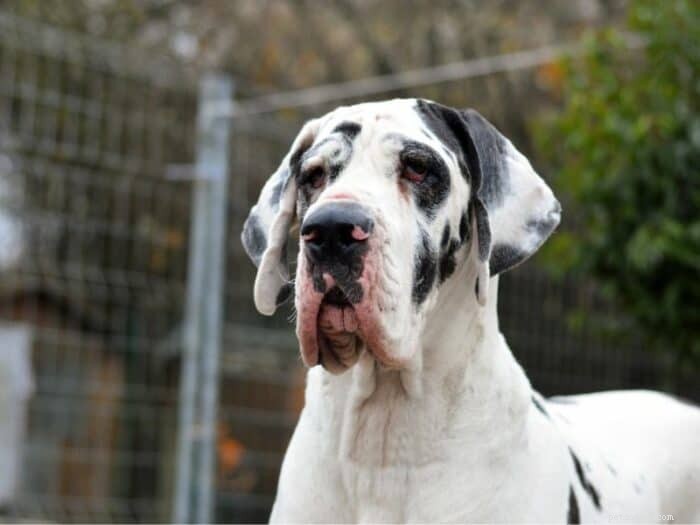
Before you decide, read on to understand the responsibilities and rewards of owning a Great Dane.
16 Key Facts About Great Danes
1. Origin: From Germany, Not Denmark
Contrary to their name, Great Danes were bred in Germany during the 17th century. They served German aristocracy as boar hunters and estate protectors, placing them in the American Kennel Club’s Working Group.
Like many working breeds, they require regular physical and mental stimulation to stay content.
2. Historical Role in Circuses
Great Danes were once stationed alongside lion and tiger trainers in circuses. Their primary duty was to safeguard handlers by intervening when a big cat threatened a human.
This protective instinct, combined with loyalty and courage, remains a hallmark of the breed.
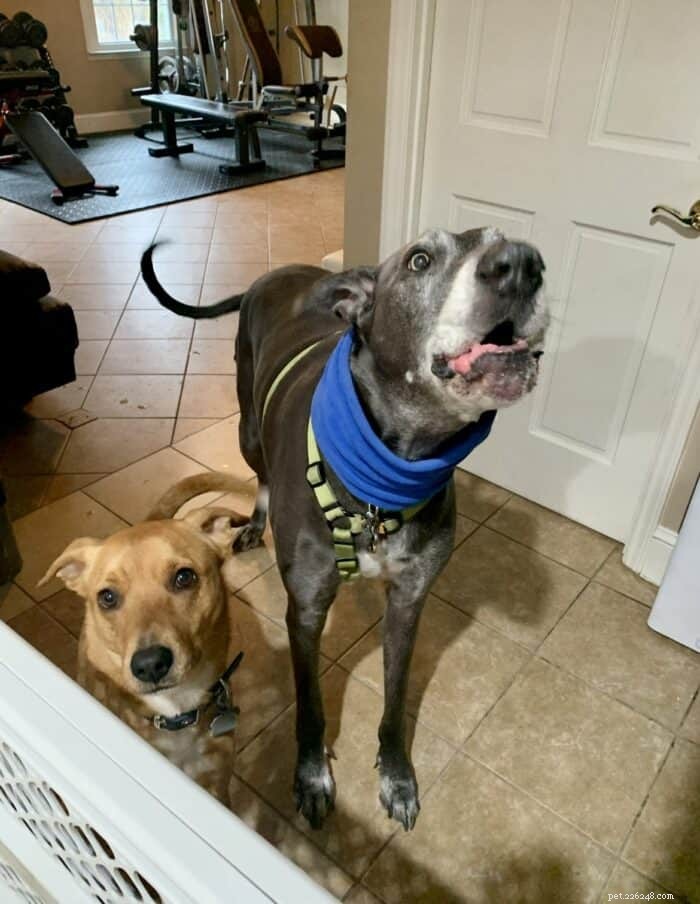
3. Distinctive Deep Bark
Beyond their stature, Great Danes possess a resonant bark that can serve as a natural deterrent against intruders. Many owners find this an effective, low‑maintenance “alarm system.”
4. Loving, Snuggle‑Prone Companions
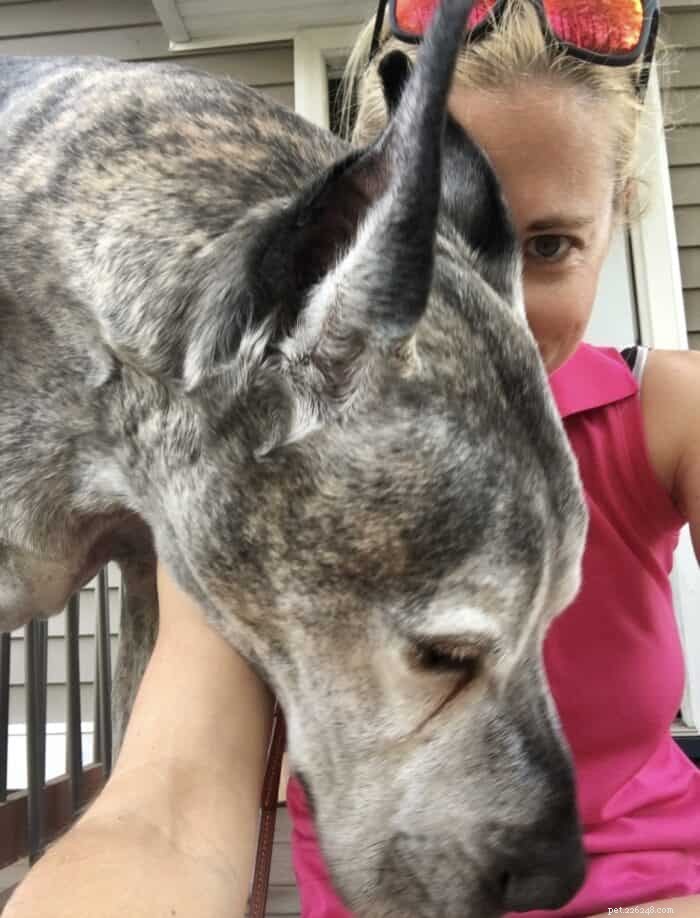
These dogs are affectionate and thrive on human contact. When selecting a bed, opt for at least a queen‑size mattress; a king‑size bed offers extra comfort for multiple dogs.
They excel with children but may require early socialization with strangers and other animals.
5. Counter Surfing: A Practical Consideration
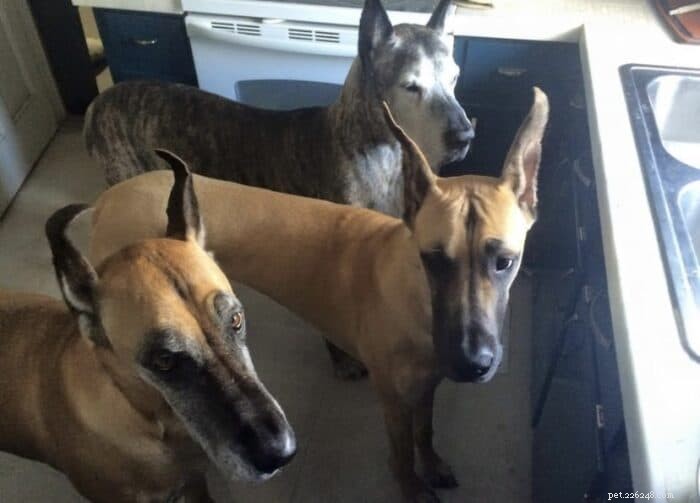
Their height allows them to reach kitchen counters and dining tables with ease. Use high dog gates or floor‑mounted barriers to keep them off countertops.
6. Life Expectancy: 6‑10 Years
As with other large breeds, Great Danes have a shorter lifespan, typically 6 to 10 years. Early veterinary care and preventive health measures can help maximize their quality of life.
7. True Gentle Giants
AKC records a maximum height of 32 inches at the shoulder. Standing on hind legs, they often tower over most adults. Their temperament is characterized by courage, loyalty, and friendliness.
Proper training and supervision—especially around children—are essential to prevent mishaps.
8. Economic Considerations
Male Great Danes average 140‑175 lbs, females 110‑140 lbs. Their size demands a higher daily food intake, which can add several hundred dollars to your monthly budget.
9. Exceptional Therapy Dogs
With patience, sweetness, and friendliness, Great Danes excel in therapy roles. Certified organizations such as Therapy Dogs International and Pet Partners provide pathways for volunteering.
10. Service Dog Potential
Service Dog Project has trained over 200 Great Danes to assist individuals with mobility challenges, showcasing the breed’s versatility.
11. Common Health Issues
Owners should be vigilant for the following conditions and consider comprehensive veterinary insurance:
Bloat (GDV)
Approximately 40% of Great Danes may develop gastric dilatation volvulus. Prophylactic gastropexy—a routine surgical procedure performed during spay or neuter—can reduce risk.
Preventive measures include avoiding rapid water intake and allowing an hour between exercise and meals.
Hip Dysplasia
Inherited joint malformation can cause pain and stiffness. Responsible breeders test parents for this condition, and owners should maintain a healthy weight.
Autoimmune Thyroiditis & DCM
Both are genetic conditions. Regular vet check‑ups and genetic screening by reputable breeders are key preventive steps.
12. Delaying Intensive Exercise
Until about 24 months, avoid vigorous running or high‑impact agility. Gradual introduction post‑growth helps protect developing joints.
13. Coat Care
Great Danes have short coats that require minimal grooming—weekly brushing with a grooming glove is usually sufficient. Bathing can be done in a standard tub or outdoor shower.
14. Early Leash Training
Begin leash training between 8‑16 weeks. Focus on loose‑leash walking, positive reinforcement, and consistent direction changes to build a strong bond.
15. Naval Legacy
“Just Nuisance,” a Great Dane enlisted in the Royal Navy during WWII, served as a morale booster for sailors. His story exemplifies the breed’s loyalty and adaptability.
16. Cultural Impact
Great Danes have appeared in beloved cartoons such as Marmaduke, Astro, and Scooby‑Doo, cementing their status as iconic canine figures.
Bottom Line
Great Danes are family‑friendly and protective, yet their size, health needs, and cost require serious commitment. They are ideal for experienced owners who can accommodate their grooming, exercise, and financial demands.
If you’re ready to welcome a gentle giant into your home, we’d love to hear your plans or questions in the comments below.
Save To Pinterest

Top Picks For Our Puppies
- BEST DOG CHEW
We recommend Beef Collagen Sticks—perfect for discouraging destructive chewing. - BEST PUPPY TOY
Calmeros Puppy Toy with Heartbeat and Heat Packs—ideal for easing new‑home anxiety. - BEST DOG TREATS
Crazy Dog Train‑Me Treats—our high‑value reward for training sessions. - BEST FRESH DOG FOOD
The Farmer's Dog—our current favorite. Use the 50% discount on your first order.
Explore more favorites on our New Puppy Checklist.
Barbara Rivers
Barbara is a trilingual, 40‑something dog lover, e‑book author, founder, copywriter, and dog‑nutrition blogger at K9sOverCoffee.
- Pet Behavior
- Pet Breeds
- Pet Names
- Pet Adoption
- Pet Training
- Pet Information
- Pet Health
- Adorable Pets
- Dogs
- Solve Your Cat’s Litter Box Problems with Proven, Expert Guidance
- Top 10 Cat Breeds for Effective Rodent Control
- 5 Proven Benefits & Key Considerations for Adopting a Pet
- Keep Your Pets Cool & Safe During Lockdown: Expert Tips
- Is Your Horse the Right Size for You? A Practical Guide to Matching Rider and Horse
- How Diet Influences Your Dog’s Behavior: What You Need to Know
- Understanding Your Dog’s Vomiting: Signs, Causes, and Easy Ways to Help