

Australian Shepherd vs. Mini Australian Shepherd: Key Differences & Similarities
When comparing the Australian shepherd vs. mini Australian shepherd, you may think that the mini Aussie is simply a smaller version of the Aussie. They are very similar in appearance, and both are members of the American Kennel Club's herding group. However, they are classified as separate breeds with their own characteristics and breed standards.
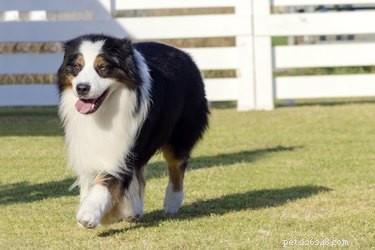
Although they have plenty of similarities in terms of personality and temperament, there are some differences to consider when comparing the Australian shepherd vs. mini Australian shepherd. Breed is not a reliable indicator of temperament, but in general, both breeds are very good with children. The miniature Aussie tends to be more affectionate with her human family and other dogs than the Aussie.
When it comes to strangers, both breeds are moderately open to meeting new people, being neither hyper-vigilant nor everyone's best friend. They are also moderately protective. Both breeds love to play and are eager to please, which makes training a joy with plenty of positive reinforcement. Miniature Australian shepherds tend to be more adaptable when it comes to changes in the environment.
Grooming and exercise
Both breeds are moderate shedders with medium-length, double coats that require at least a weekly brushing, but you can expect to groom the mini Aussie a bit more often than Aussies. The miniature Australian shepherd also drools slightly more than the Australian shepherd, although drooling is not a big concern with either breed.
When it comes to exercise, both breeds need a lot of daily exercise. They are high-energy dogs and need a lot of stimulation to stay healthy and happy. Australian shepherds love hiking and running with you and excel in sports, such as agility and herding. The miniature Australian shepherd also enjoys these activities but is better able to adapt to your lifestyle if you live in a city. If these dogs don't get the exercise and stimulation they need, they may become destructive and hard to handle.
Common health concerns
Both full-sized and miniature breeds have their own unique genetic health conditions for which breeders should test to ensure they only sell healthy puppies. Required health testing for the Australian shepherd includes evaluations for hip and elbow dysplasia and an annual eye examination. Other recommended testing includes exams for the collie eye anomaly, hereditary cataracts, and multidrug sensitivity.
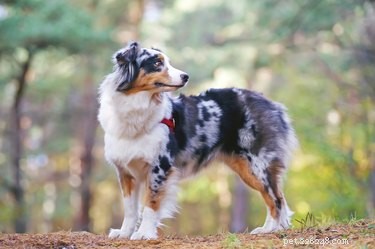
As with Australian shepherds, health testing requirements for miniature Australian shepherds also includes a hip and eye examination. The other required tests include DNA testing for multidrug sensitivity and progressive retinal atrophy.
- Pet Behavior
- Pet Breeds
- Pet Names
- Pet Adoption
- Pet Training
- Pet Information
- Pet Health
- Adorable Pets
- Dogs
- Common Structural Deformities in German Shepherds: What You Need to Know
- Australian Shepherd (Aussie): Characteristics, Care, and Training Guide
- Australian Shepherd: Intelligent, Energetic & Devoted Family Companion
- Australian Shepherd Crosses: 20 Engaging Aussie Mix Breeds
- Miniature German Shepherd: Complete Guide to the Mini Working Dog
- Australian Shepherd Dog: Breed Profile, Care & Myths Debunked
- Australian Shepherd Breed Guide: Traits, Care, and Family Compatibility