

8 Essential Tips for Welcoming Your New Pet Home
Are you adding a new, cute, and cuddly member to the family? Well, if you are choosing to adopt a pet, it can be a little daunting. Bringing a pet into your home is a joyful experience, but it also requires a lot of responsibility and effort.
Bringing your first pet home can be difficult; you might wonder if everything is ready and if the home environment is safe for your pet. However, instead of wasting yourself away worrying about it, check out these eight tips that will help you get ready for your new pet.
1. Prepare a personal space for your new pet
Whether you adopt a popular pet like a cat or a dog or go for a unique tortoise, parrot, or tarantula, ensure that your pet has a safe and comfortable personal space to rest. Though some pets like tortoises, fish, and spiders stay in their enclosure, you need to create a resting space for them in the house if you are adopting a cat or dog. Choose a spot that is warm, comfortable, and cozy so that your pet can stay happy. Moreover, you must prepare the pet’s personal space before it comes home.
2. Learn how to clean up after your pet
Though having a pet in your home does make the place livelier, it can also pose some problems. Keep in mind that you will have to clean up behind your pet if you want the house environment to be healthy and safe, both for you and your pet. In a cat or dog, you need to regularly vacuum the carpets and other surfaces because of pet hair. Though most dogs will poop when you take them for a walk, you must maintain the litter box for your pet cat.
You should clean out the litter box every day, and replace the litter and wash the box from time to time as well. If you don’t want to scoop cat feces every day, you can invest in a self-cleaning kitty litter. Check out Obey My Cat to learn more about how to take care of cats.
3. Teach the kids how to take care of the pet
If you have kids in your home, you must prepare them for the pets as well. Depending on how old your kids are, they might have a different response to the pets. Therefore, you must prepare them, and if they are old enough, teach them how to take care of the pet.
Also Read: Which Dog Breed Is Mostly Preferred As A Family Pet?
For instance, kids may get too aggressive with the pets, feed them foods that are toxic to them, or end up injuring them. Moreover, if your children don’t learn to interact with their pets appropriately, they could also hurt themselves.
For instance, a pet cat might scratch them if they step on its tail. Therefore, be sure to take some time, and discuss how the kids feel about the new pet. If they are happy and enthusiastic about it, show them how to take care of the pet.
4. Buy some cool pet toys
Ideally, when your new pet gets to your home, it should feel happy and exciting, and one of the best ways to welcome your dog or cat is to get some fun toys for them. There are loads of fantastic toys that you can buy, you could go with something as simple as a stuffed animal, or you can also get machines that will play fetch with your dog.
If you feel like your pet will get bored, how about adopting a buddy for them as well? However, keep in mind that some dogs and male cats can be territorial.
5. Be ready for the adjustment period

It will help if you keep in mind that things will not be all fun and simple with a new pet. There is undoubtedly going to be some adjustment time, and you need to be prepared for that. If you are rescuing a pet from the animal shelter, they might not be very well trained, and it may take some time to train them on how to live inside the house.
If you are getting a tiny puppy or kitten, training them might be a little easier. Still, keep in mind that your pet will take some time to adjust to the new environment, and you will also need to adapt to the new routine.
6. Hideaway toxic foods and other household items
Cats and dogs are the two most common pets worldwide. You will be surprised to know that most human foods and other household products are toxic for your pets. Here is a quick list of some common foods that we should keep away from the reach of your pet
- Onions and garlic
- Chocolate
- Caffeinated drinks and coffee grounds
- Grapes and avocados
- Raw meat
- Raw dough
- Fruit seeds
- Alcoholic beverages
Certain household items like cleaning products, washing powder, soap, paint, and drain cleaners may also be hazardous for your pet. In general, you should make sure that your pet stays out of the kitchen since that can be detrimental and lead to several zoonotic diseases.
7. Stock up on quality pet food
Suppose you adopt a pet, one of the essential things in their diet. It would be best to ensure that your pets get the right amount of nutrients and healthy foods. Therefore, feed only high-quality pet food to your pets. And don’t feed them food from your table. Therefore, before the pet comes to your home, make sure to stock up on a reasonable amount of pet food so that you can take proper care of your new beloved pet.
8. Secure doors and windows
Most house pets, especially dogs, are pretty curious, and if you leave a door open, they might get out to explore. However, pets that are raised in the house are not safe outdoors. They can get injured, lost, or eat something wrong for them.
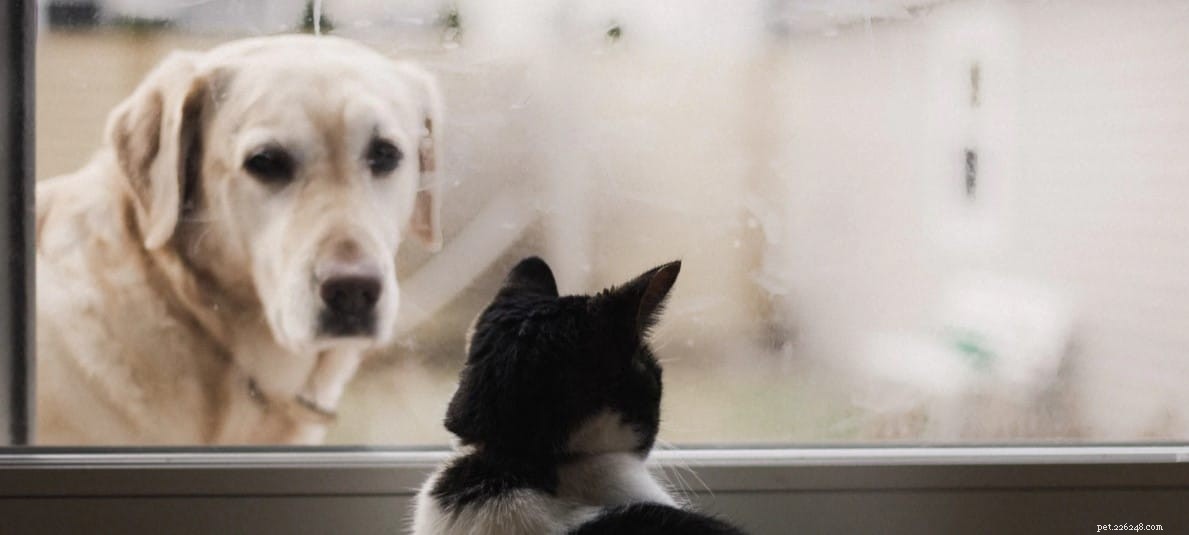
Therefore, if you have a cat or dog in the house, you must keep the doors and windows secure. It is impossible to keep the house closed all day since you need to get some fresh air into the house. Therefore, add some bars to mesh to the windows to prevent your pets from wandering out.
- Pet Behavior
- Pet Breeds
- Pet Names
- Pet Adoption
- Pet Training
- Pet Information
- Pet Health
- Adorable Pets
- Dogs
- Welcoming Your New Cat or Kitten Home: A Step‑by‑Step Guide
- 7 Proven Home Grooming Tips to Keep Your Pet Looking and Feeling Great
- How to Safely Introduce a New Cat to Your Home
- Essential Tips for Welcoming Your New Puppy Home
- DIY Pet Grooming at Home: Easy Steps for Cats, Dogs & Small Pets
- Essential Holiday Pet‑Owner Tips: Planning for a New Puppy, Kitten, or Mature Companion
- How to Welcome and Care for Your New Dog: A Step‑by‑Step Guide