

Effective Tick Removal and Prevention for Dogs: A Complete Guide
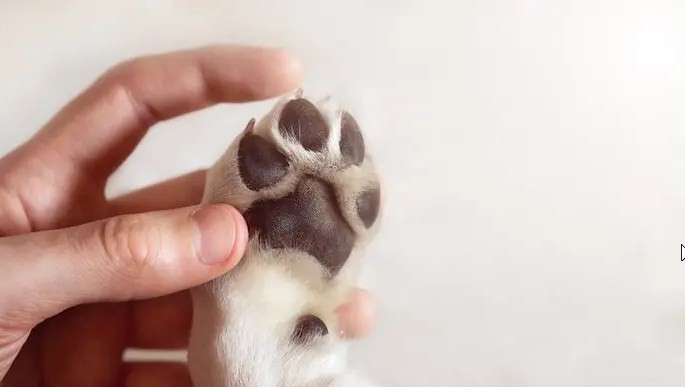
Table of Contents
- 1 Here are the 5 places to look first to rid your dog of these leeches!
- 2 How does your dog get ticks?
- 3 1. Ticks on the groin
- 4 2. Ticks between the toes
- 5 3. Ticks on the ears
- 6 4. Ticks under the collar and clothes
- 7 5. Ticks On the eyelids
- 8 Ticks on dogs: treatment and prevention
- 9 Conclusion
Ticks on Dogs : You have certainly happened to pet your dog and to feel a small lump on his skin. After verification, the verdict is final: (again) a tick! These parasites, which attach to a host’s skin to absorb blood, can be caught in various ways and lodge in different parts of your puppy’s body.
Here are the 5 places to look first to rid your dog of these leeches!
What is a tick?
The tick is an ectoparasite belonging to the mite arachnid family, an external parasite that lives on a host’s body. Once firmly attached to the skin, it feeds on its blood thanks to a rostrum (a kind of hook allowing it to bite the skin).
Like mosquitoes and other blood-drinking parasites, ticks are the vectors of many diseases – including tick paralysis and the notorious Lyme disease.
Indeed, when it attaches to the skin, it can absorb various pathologies (bacteria and viruses affecting animals and/or humans).
She can then pass them from one host to another through the blood by becoming a healthy carrier.
Apart from the diseases it spreads, the tick can also cause allergies, especially in humans. The parasite’s saliva then causes a rejection reaction, manifest as hives, edema or even anaphylactic shock. You should therefore take tick bites very seriously!
How does your dog get ticks?
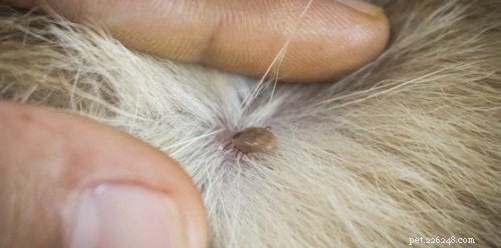
Anyone can catch a tick: it can suck blood from a mammal (including a man), a bird or even a reptile. But for what reasons?
While waiting to cling to a host, the tick usually hides in bushes, branches and tall grass. For this reason, the dog often catches ticks during a walk in the forest or the garden.
It is an ideal candidate for a tick since it can easily cling to its hairs before biting it. These parasites are also more virulent in autumn and spring, in excellent (maximum 20 °) and humid weather. During these periods, therefore, be extra vigilant!
Although they can be located anywhere on the dog’s body, ticks usually lodge in hot, hard-to-reach areas. And their tiny size, which further complicates their detection.
To stop the multiplication of these parasites and limit the risk of contamination, it is therefore essential to find them quickly on your dog’s skin… and, above all, get rid of them correctly!
To increase your chances of detecting them, here are the 5 areas to check first.
1. Ticks on the groin
The groin is undoubtedly not the first place you think of looking for ticks. However, they particularly appreciate this area … In general, these parasites favor dark and humid body areas. So check your dog’s groin, but also all of its perianal part and its tail.
2. Ticks between the toes
As we’ve seen, ticks like hot, hard-to-reach, and potentially humid places. Your dog’s paws meet the criteria! Although the parasites may have difficulty latching onto between the toes, they especially like this area once attached.
3. Ticks on the ears
These bloodsuckers can also lodge behind your companion’s ears – in the folds – but also inside. They can even slip under his chops. These inaccessible places are all the more popular with ticks as they include many blood vessels. So check them out carefully!
4. Ticks under the collar and clothes
If your dog is constantly wearing his collar, you can easily forget to look for ticks underneath. Big mistake! Always remember to remove your dog’s collar, harness, and other clothing during the inspection. A parasite can easily hide underneath …
5. Ticks On the eyelids
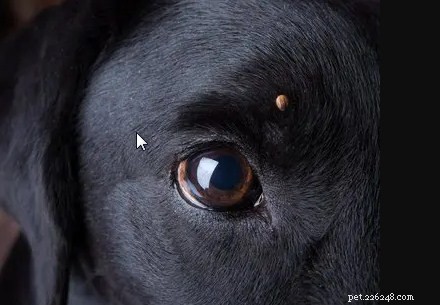
It is sometimes difficult to distinguish a small skin ball from a tick, especially when the latter is freshly attached and therefore not very swollen. This confusion is widespread on the eyelids, where small polyps often appear. If in doubt, carefully observe the suspicious lump and gently remove it if it is indeed a tick. If in doubt, do not hesitate to contact your veterinarian.
Ticks on dogs: treatment and prevention
Prevent ticks on dogs, be preventive:
A collar “anti ticks and fleas” dramatically reduces the risks without eliminating them. Generally effective one to two months, You must change it regularly to maintain its repellent effect.
And if your dog bathes often, make sure the collar is waterproof!
Insect repellents are to off fleas and ticks. They are administered once a month, either orally or directly on the dog’s back using a small pipette.
As much as possible, prevent ticks on dogs, you must avoid places known to have excessive ticks.
After each walk, carefully check your dog’s skin for possible ticks, paying particular attention to the 5 key areas. If your companion has been bitten despite your precautions, remove the insect immediately and cleanly.
It is essential to remove all the ticks without crushing them (including its head), to avoid any risk of infection later. To remove it correctly, use tweezers or, even better, a small hook tweezer ( tick puller ) provided for this purpose.
You will find it in pharmacies or at your veterinarian. Then burn the insect or drown it in 90 ° alcohol or bleach, to destroy all its germs. Be careful. Never touch a tick with your bare hands!
Ticks on dogs symptoms
In the days following the bite, watch out for any symptoms (extreme fatigue, loss of appetite, listlessness, etc.) of a tick-borne infection. If your dog appears ill, see your veterinarian.
Conclusion
The tick can therefore cling to any area of your dog’s body, even if it prefers hot, inaccessible and potentially humid places. Thus after a walk in nature, check your pet’s groin, ears, paws, and eyelids as a priority… without forgetting to look under his collar!
Don’t hesitate to research the different mutual insurance firms for dogs. This kind of insurance could help you reduce the costs of a vet’s visit so as not to be taken by surprise when your dog becomes sick.
- Pet Behavior
- Pet Breeds
- Pet Names
- Pet Adoption
- Pet Training
- Pet Information
- Pet Health
- Adorable Pets
- Dogs
- Effective Ways to Soothe Your Dog’s Cold Symptoms
- Effective Relief for Dog Hives: Quick, Safe Solutions
- Effective Guide to Treating Ringworm in Dogs
- Effective Flea Control: A Step‑by‑Step Guide to Protect Your Dog
- Effective Ways to Reduce Dog Hair Shedding & Keep Their Coat Healthy
- How Dogs Contract Fleas: Prevention, Signs, and Solutions
- Eliminate Dog Fleas Quickly & Safely