

Essential Guide: 13 Must-Know Facts About Using CBD for Pets
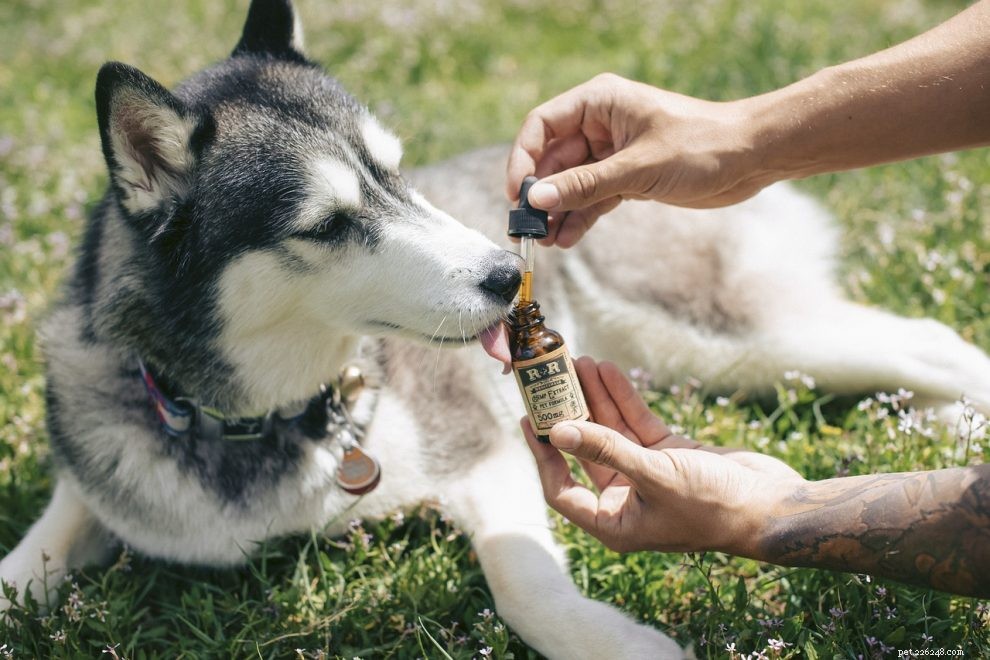
Table of Contents
- 1 CBD in pet products can come from cannabis or hemp
- 2 Knowing where CBD comes from is important
- 3 Unless you’re in California, your vet can’t talk to you or recommend any products that contain cannabis.
- 4 There are few studies on the effects of CBD in pets
- 5 The benefits for pets are the same as for us
- 6 CBD can be especially helpful for anxious pets
- 7 Your veterinarian should be informed if you are giving your pet CBD
- 8 Any pet product you buy that contains CBD should have a Certificate of Analysis.
- 9 There are CBD products for pets everywhere, but it is at the buyer’s risk.
- 10 You should check the Certificate of Analysis every time you purchase a product
- 11 Giving the wrong product or dose could have the opposite effect
- 12 You must watch your pet
- 13 Drops have an advantage over treats
Just because they’re available over the counter doesn’t mean that CBD products for pets are safe. Here’s what you need to consider before buying one for your dog or cat.
The market for CBD products for pets has never been so successful. Not only has there been an explosion of these products, but consumers are less and less cautious about giving it to their dog or their cat to relieve all kinds of problems ranging from anxiety to arthritis.
According to a 2019 Packaged Facts survey, 11% of dog owners and 8% of cat owners have used CBD or hemp supplements for their companions.
While this may not seem significant, another survey conducted earlier that year found strong interest in CBD products among pet owners.
It was noted that 39% of dog owners and 34% of cat owners liked the idea of CBD supplements for their companions, with 29% of them saying they would use them if it was legal.
(FYI, hemp-derived CBD products have been legal since 2018.) But before giving CBD to your dog or cat, there are several important things you should know, including whether CBD oil is safe for dogs and cats.
CBD in pet products can come from cannabis or hemp
But what exactly is CBD oil? CBD stands for cannabidiol, a cannabinoid produced by a plant called cannabis sativa of which there are two varieties: one which produces cannabis, better known as marijuana, and the other which produces hemp.
“The difference between these two varieties is the amount of THC (the psychoactive element in cannabis) that the plant contains at the time of harvesting dry matter by weight,” says Wane Marshal, a veterinary technician and counselor for the plant.
Veterinary Cannabis’ Consultation Service in Michigan. While hemp contains less than 0.3% THC, marijuana contains more and poses a greater risk to your pet than hemp.
Knowing where CBD comes from is important
A product that contains CBD doesn’t mean anything until you know where the CBD is coming from, and this is critical to know because of the potential side effects. “Generally, hemp-derived CBD products are safe,” says Gary Richter, doctor of veterinary medicine, medical director of Holistic Veterinary Care in Oakland, Calif., And author of The Ultimate Pet Health Guide .
CBD products that come from marijuana (which contains tetrahydrocannabinol or THC) can indeed be used medicinally, but, even in combination with hemp, the potential risks remain enormous. ” Signs of THC toxicity manifest as lethargy, followed by loss of balance and coordination, followed by loss of consciousness and, in some cases, death. That is why Dr. Richter does not recommend using these products without seeking advice.
Unless you’re in California, your vet can’t talk to you or recommend any products that contain cannabis.
Because marijuana is a controlled substance under Schedule 1 of the regulations, vets could be penalized and possibly even lose their license if they advise you on CBD products for your pet, Dr. Richter. “This is ridiculous because who can you turn to for advice? The young employee of the store? ” he adds.
The only exception is California, which recently became the first US state to allow vets to discuss cannabis with their clients – but not recommend or prescribe it. It’s also important to note that the United States Food and Drug Administration (FDA) has not approved any CBD products for pets, making it even more difficult for vets and pet owners.
There are few studies on the effects of CBD in pets
There are currently two published studies on the effects of CBD in pets that look at the effects of hemp-derived CBD on dogs: one looked at the use of CBD for canine osteoarthritis and the other looked at the use of CBD for canine osteoarthritis. another for epileptic seizures.
Both studies showed benefits, says veterinarian and technician Wane Marshal. In the Osteoarthritis Study published in Frontiers in Veterinary Science, CBD oil reduced pain in dogs and allowed them to be more active.
At the same time, the second study from the Journal of the American Veterinary Medical Association showed that CBD reduced the frequency of epileptic seizures. As further studies are currently underway, additional data are expected soon.
The benefits for pets are the same as for us
The potential medical benefits of CBD for pets are the same as you would expect for yourself, says Dr. Richter. We’re talking about pain relief, anxiety management, control of seizures, improvement of gastrointestinal disorders, and therapy for cancer.
“No matter what problem you think of, there is potential for cannabis use. One of the advantages of cannabis when used correctly is that it is safer than most pharmaceuticals, ” he continues.
Side effects can include vomiting, diarrhea, and loss of appetite, and in rare cases even lead to toxicity.
CBD can be especially helpful for anxious pets
If the noise causes your cat or dog to panic or becomes extremely nervous when you go to the vet, CBD can help control that anxiety, especially when combined with behavioral changes. This is even true for pets with severe anxiety.
Wane Marshal gives the example of her dog: she was so anxious that she even panicked when she heard the sound of the stove being turned on. The vet then told ReAnna to consider euthanasia for her dog since it was a hopeless case. Instead, she gave him CBD, and today she is very healthy.
CBD has not been a miracle cure as her dog is still anxious at times, but her quality of life has greatly improved.
Your veterinarian should be informed if you are giving your pet CBD
As cannabis can have some harmful drug interactions, you should let your veterinarian know if your pet is taking CBD. “Certain components of cannabis are metabolized through certain pathways in the liver which may be the pathways for metabolism of other drugs,” explains Dr. Richter. This could make these drugs more or less effective, leading to toxicity in some cases.
“Just because cannabis is natural doesn’t make it harmless.” Your veterinarian can always refer you to a veterinary advisor on this matter to find out if CBD is right for your pet.
Any pet product you buy that contains CBD should have a Certificate of Analysis.
Cannabis is a remarkable plant for removing toxins, molds and heavy metals from the soil, but there is a price to pay. “These toxins, molds and heavy metals could end up in CBD and find their way into the products you buy,” according to Wane Marshal.
For example, acetone (used in nail polish remover) could end up in CBD. Before purchasing a product, you should check to see if the company has a Certificate of Analysis for that product, which will tell you why the product has been tested and how many cannabinoids it contains.
“It’s expensive to do testing and since there is no standardization, that says a lot about a company that is willing to do it.” In fact, Wane Marshal doesn’t even consider purchasing a product if the company can’t produce a Certificate of Analysis. You can usually find this information on the company’s website, but you can also contact them to request it.
There are CBD products for pets everywhere, but it is at the buyer’s risk.
You can buy a pet product that contains CBD almost anywhere, a situation that Wane Marshal calls scary. “Since store workers don’t know what these products are made of, you have to be careful because some contain harmful additives like xylitol,” she says.
Since there is no one product that is suitable for all dogs, and safety varies from product to product, you should first make sure that the product has a Certificate of Analysis. Then consult a professional in the matter as an additional precautionary measure.
You should check the Certificate of Analysis every time you purchase a product
If you have been lucky with a particular product and are ready to order more, do you really need to check the Certificate of Analysis if you did it the first time you bought it? The answer is yes. “Through no fault of the company, there can be changes in every crop,” says Wane Marshal.
Giving the wrong product or dose could have the opposite effect
If you give your pet the wrong product or dosage, you are likely not going to get the desired effect and will assume that the CBD has not worked. “In reality, it could be very effective, but because you haven’t done it right, your pet suffers from a treatment error,” says Dr. Richter.
A word of advice: start with a small dose and work your way up. There is usually a dosage indicated on the package, but because every pet is different, these indications are of little value.
“If you don’t give enough it won’t have any effect, but if you give too much you are likely to have side effects,” says Wane Marshal. Instead, you need to find the right dosage to get the results you want, and the best way to do that is to give very little to begin with and increase the dosage bit by bit. ”
You must watch your pet
When you are giving your partner something new, you need to watch their behavior, and this is even more important when it comes to CBD and its potential side effects, says Wane Marshal.
For example, after giving your pet CBD, do you notice if their stools have changed? Have his eating habits changed? It will also tell you whether the dose used is effective or not, which is why Wane Marshal recommends keeping a journal. Write down what you give your pet, how much and when you gave it. Then note any changes in him.
Drops have an advantage over treats
There are some advantages to the drops, including allowing you to dose a precise amount. “You can see how many drops you are giving your pet and how much is in one drop,” according to Wane Marshal. Chews, on the other hand, contain other ingredients and take longer to absorb because they need to be digested in the stomach. Finally, see what works for your dog.
- Pet Behavior
- Pet Breeds
- Pet Names
- Pet Adoption
- Pet Training
- Pet Information
- Pet Health
- Adorable Pets
- Dogs
- 10 Essential Facts About Owning a Hamster: What You Need to Know
- The Complete Guide to Chameleon Pet Care: 5 Key Facts
- Complete Guide to CBD Oil for Pets: Benefits, Safety, and Legal Insights
- CBD Oil for Dogs: 7 Essential Facts You Need to Know
- Can Your Vet Legally Prescribe CBD Oil for Pets?
- Essential Guide to Adopting a Great Dane: What You Need to Know
- The Complete Guide to CBD for Pets: Safe Use & Benefits