

National Seeing Eye Dog Day: Honoring Guide Dogs that Empower the Blind
DID YOU KNOW? January 28 is celebrated as the National Seeing Eye Dog Day.
Seeing Eye Dog Day is commonly known as Seeing Eye dogs, guide dogs or assistance animals usually assigned to lead blind and visually impaired people.
It isn’t unusual for the disabled to use the assistance of pets for their everyday chores. Assistance animals are specially trained to service dogs who assist their human companion to navigate on streets, help reach destinations, and help with daily chores.
The initial cost for acquiring a Seeing Eye dog could go up to $50,000 with the ongoing cost going up to $1200 a year.
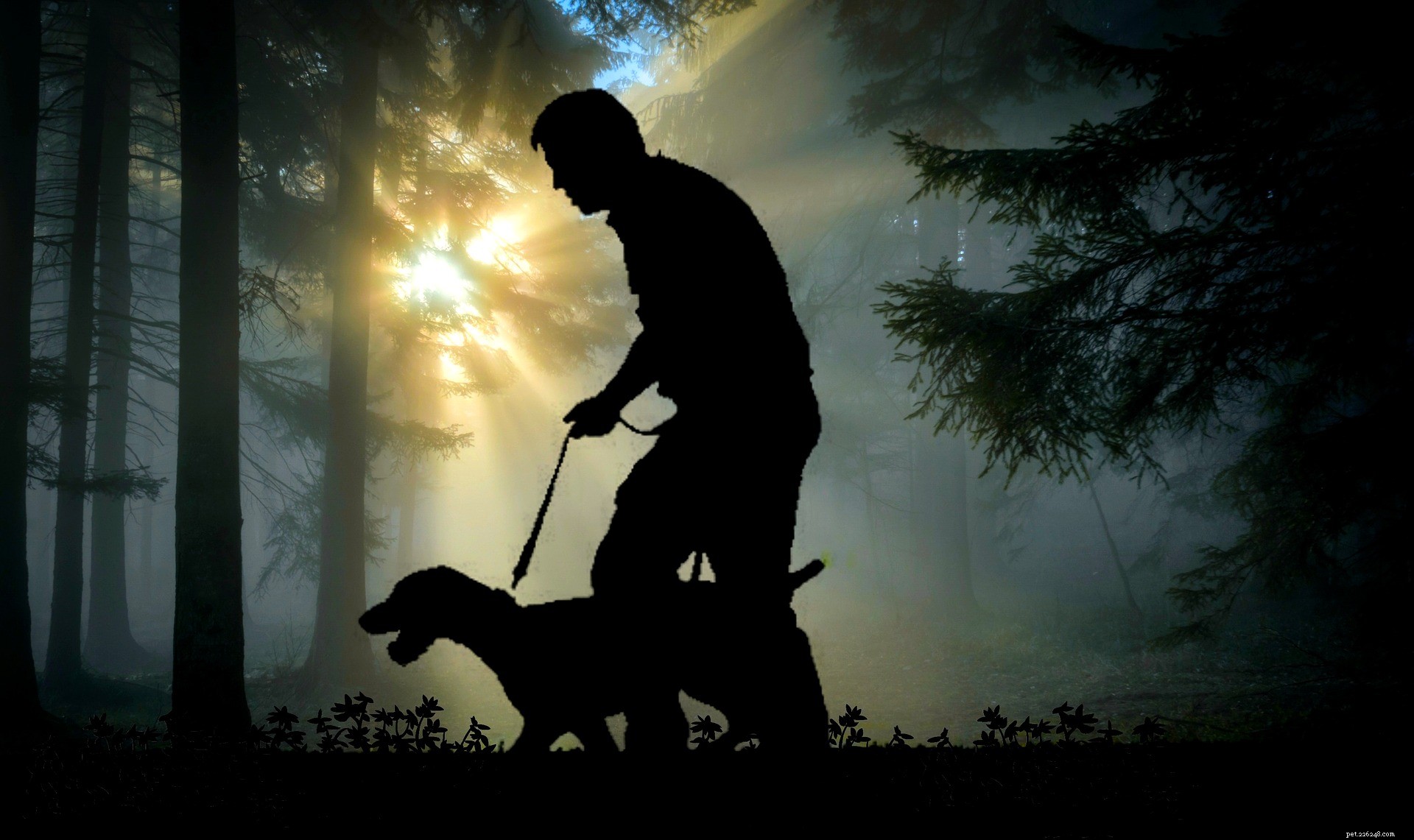
A brief history of Seeing Eye Dogs
Although the reference to first Seeing Eye dogs go back to 16th Century, the popular use of Seeing Eye dogs took place in Germany during World War I to help the returning veterans who were blinded in combat. US Senator Thomas D Schall became the first American to use a Seeing Eye Dog.
Earlier, the German shepherd was widely used as Seeing Eye Dogs, however, they have been replaced with Golden Retrievers, Labradors, and Golden Retriever/Labrador crosses for the handling ease.
Features of Seeing Eye Dogs
- The dog must be specifically trained to mitigate the handler’s disability in some way, such as for example, opening doors, detecting allergens, and alerting to a ringing phone.
- The dog must be trained to a high level not to be a nuisance in public, to be safe with members of the public and well behaved, as well as being healthy, and not posing a hygiene threat.
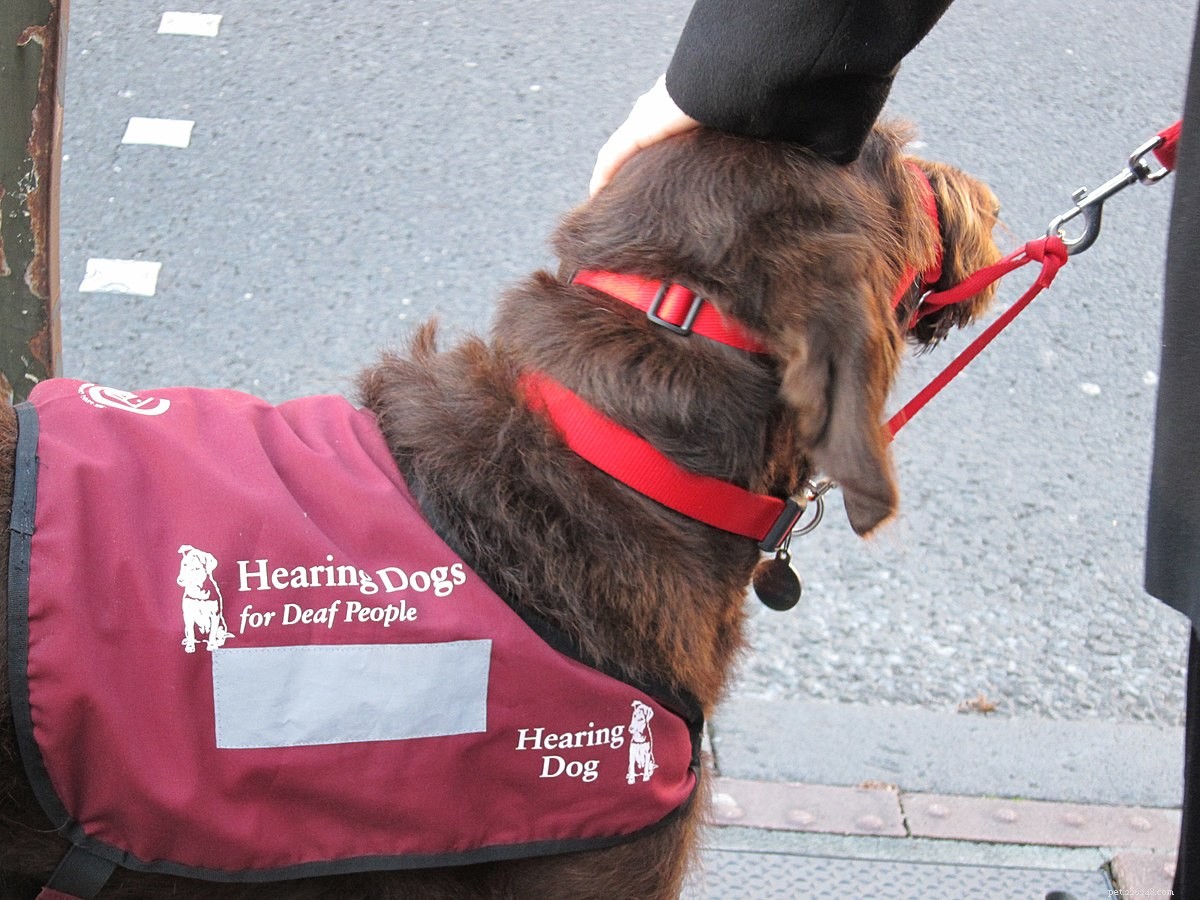
- Some Assistance dogs wear vests, harnesses, lead sleeves or a patch but this is not required by law.
How are Seeing Dogs Trained?
Selection
The first process of training Seeing Dogs includes careful selection of pups. While selecting a pup the trainer will look into the health, temperament, breed, and characteristics of a dog. Most dogs are selected from reputable breeders, shelter homes, or those who are already are a part of a family.
Golden Retrievers, Labradors, and Golden Retriever/Labrador crosses are the most chosen breed for Seeing Dogs mainly because they remain healthy, good-tempered, gentle, highly sensitive, and tolerant towards their handlers.
Socialization
The initial process focuses on socializing the pet rather than the formal training. The pets are kept in a familiar and happy environment and are toilet trained, clean, confident and happy.
Task Training
Once a pup is old enough the trainer will commence the special training focusing on tasks. These tasks make them distinct and specialized assistance dogs.
Generally, the tasks done by the Seeing Eye dog depends on the handler’s disabilities, therefore there is almost no limitation on the types of tasks a dog can be trained to.
Obedience and Public Access
Seeing Eye dogs are allowed to accompany their handlers in public areas along with pet restricted areas such as public transport, restaurants, or hotels. Obedience training helps a dog to become polite, well behaved and acceptable in public. Public Access tests evaluate a dogs’ ability to behave appropriately in public.
- Pet Behavior
- Pet Breeds
- Pet Names
- Pet Adoption
- Pet Training
- Pet Information
- Pet Health
- Adorable Pets
- Dogs
- Recognizing Eye Cancer Symptoms in Dogs: A Guide for Pet Owners
- Crusty Eye Discharge in Dogs: Signs You Shouldn’t Ignore
- How to Treat a Scratched Dog Eye: Quick Steps & Vet Care
- National Dog Day: 10 Expert-Verified Facts About Your Beloved Canine
- Why Dogs Wink: Decoding the Meaning Behind Their Blink
- How Dogs Blink: Science & Care Explained
- 25 Fun & Thoughtful Ways to Celebrate National Dog Day