

8 Common Misconceptions About Pet Stores You Should Question
The prevalence of pet stores remains a problem despite the common knowledge of their inhumane practices. By spreading the word I hope to encourage more people to keep on walking when they see those puppies in the pet store – don’t give your business to an industry that supports animal cruelty.
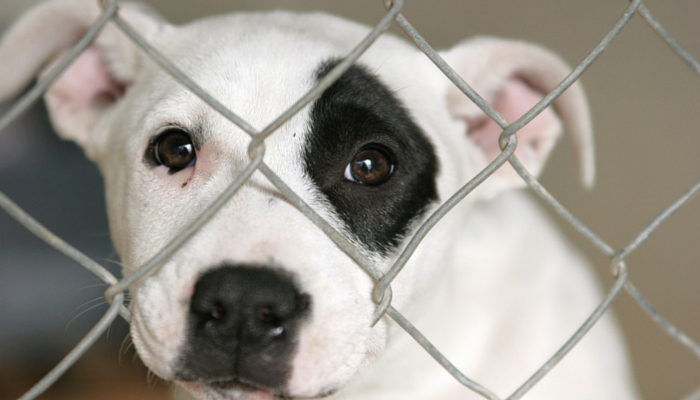
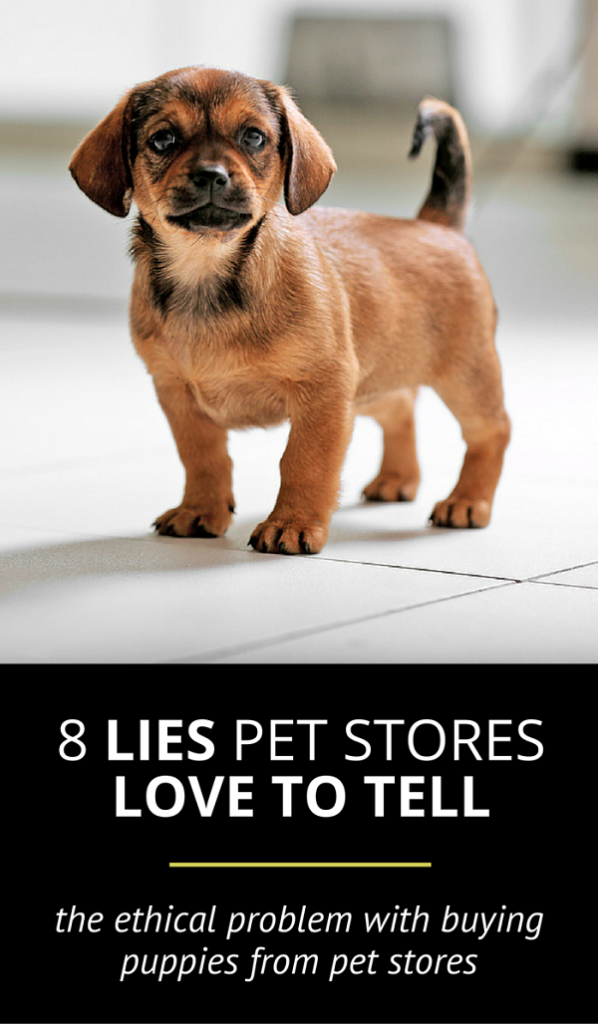
Pet Stores Know It’s Hard to Resist Those Puppy Dog Eyes
When I walk by a pet store my feelings are always the same – I start feeling bad for all those little puppies stuck in cages. I have to tell myself to keep walking, ignore all those cute puppies and just keep walking.
I know that if I enter the store I’m doomed; I’ll start to feel really bad for the little puppies and start thinking about how I could save them, or at least give them a nice loving home where they’re not stuck in a cage all day.
Humans have many of the same nurturing instincts when we see a puppy that we do when we see a baby. When we see something cute like a puppy our brains release dopamine which is the chemical involved when we fall in love, and it’s associated with a rewarding feeling.
So if you find it hard to resist gravitating towards all those cute puppies in pet stores you’re not alone – it happens to many of us.
If you enter a pet store and talk to the clerk they’ll start to tell you how great all those puppies really are; they’re from reputable breeders, they’re healthy and well socialized, they come with papers, and they’re $300 off.
Sounds pretty good doesn’t it? This is why pet stores excel at getting people to make impulsive decisions. Sure I was just going to the mall to buy a pair of shoes but then I saw this little Yorkie Poo…
Before you walk into another pet store remind yourself that they are in fact just a store – they’re out there to make a profit. Their industry supports practices that are cruel to the animals involved.
They’ve heard the complaints about pet stores before and they’re well equipped to tell you what you want to hear if it means you’ll buy that Yorkie Poo for $1200; $300 off from the retail price. Yes pet stores practice the same pricing schemes as any other store – mark up and then convince you $300 off is a really great deal.
Pricing isn’t the only thing they tend to lie about; the following images are taken from pet store websites that are currently selling puppies across the United States. They’re easily found on their sites under such headlines as “What makes our puppies so great” and “Why buy one of our puppies?”
From where they get their puppies to their health guarantees I’ve compiled a list of the common lies pet stores like to tell.
1. Our Puppies Come From Reputable Breeders/Are USDA Licensed

Pet stores like to say that their dogs come from reputable breeders because they’re licensed. Roughly 90% of pet store puppies are bought from puppy mills. Even though these puppy mills are often licensed and inspected it doesn’t mean that the conditions of the animals involved aren’t cruel.
USDA licensing doesn’t count for much when it comes to humane conditions – but it is a requirement of the Animal Welfare Act that passed in 1966. The USDA standards are what I would consider cruel and inhumane. They pretty much support the survival of animals – providing food, water, and shelter but nothing more.
Many of these breeding facilities have been found to be in violation of even these basic standards and yet it remains extremely rare for the USDA to revoke a license or even fine the facility. Each state also has their own regulations – you can find out more by reading the puppy mill laws by state.
Some pet stores go so far as to tell you they know the breeders they work with. Ask for documentation. Often times you’ll find puppies have been shipped from other states by a broker. So when they say they know their breeder it usually means they’re familiar doing business with them. Most store owners have never been to any of the breeding facilities or inspected them himself.
2. You Can’t Find Your Puppy in Shelters

You know who pet stores really love? People who go in and buy their puppies impulsively. Yes they have a large selection because they pick and choose which breeds to buy at any given time – they’re buying from puppy mills and turning a big profit off of the cruel practice of mass breeding.
If you buy into the fact that you have to have your puppy now I suppose this logic might work. Pet stores list their puppies online – you can browse through all their lovely puppies from the comfort of your own home.
Did you know that there’s a few sites out there that also let you browse shelter pets? You can browse by age/breed/gender/house trained/likes dogs – the list goes on. Petfinder is the most popular choice but there’s also Adopt a Pet, The Shelter Project, Petango, and even Overstock.
Keep in mind there will always be a demand for puppies over adult dogs – some shelters don’t list their puppies online because they know it won’t take long for them to get adopted. If you’re looking for a puppy it’s best to check in person or call your local shelter and inquire about available puppies – some will give you the option of putting you on a waiting list for specific breeds.
Not only are you saving a life when you adopt rather than buy you’re also more likely to find a better suited pet for your needs – rescue groups often foster their dogs and puppies meaning you’ll have more in depth knowledge of the puppies personality.
3. Our Puppies Come With A Health Guarantee
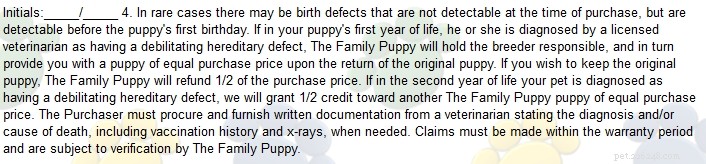
The wellness screening many pet stores offer is simply a record of vaccinations. There’s rarely any checks for genetic disorders, parasites, or diseases.
A lot of pet stores have an approved veterinarian that you can take your puppy to within the first 2 to 10 days for a health screening. If they find anything wrong with your new pup the store might reimburse you for medical costs, or they may even let you return your puppy for a refund.
This claim varies widely by store but there’s one common theme; you can almost always return your puppy if they’re unhealthy. Sure I’ve returned appliances that don’t work but something tells me returning a puppy would be a little more difficult.
Owners of sick pets can attest how difficult it is dealing with a pets health issues, but just returning a pet for another isn’t an option – we form quick bonds with these new members of the family.
Here’s one heart breaking story of a pet store puppy & her owners quest to give her a good, healthy life despite numerous genetic disorders:
4. Your Puppy Will Come With Papers

A pet store that offers AKC registration does not actually mean there’s any real added value to your specific puppy — it just means his relatives were registered. There’s no health screening, structure, or temperament tests needed.
Having papers means that your puppies parents both had papers, and many puppy mill dogs are actually registered. When you register your dog with the AKC you send them money; they check to see if your dogs parents and grandparents were registered. If everything checks out and your puppies family sent money to the AKC you will be added to their registry and you’ll receive a certificate in the mail.
If you’re not going to show, breed, or have your dog compete in any registered sporting events you don’t need to have your dog registered. It’s simply a way to trace back a dogs heritage through a registry.
5. Pet Stores Address Declining Pet Populations

I wish I was kidding about this one – apparently we have a declining pet population that pet stores are going to fix. I don’t think I’ve ever seen such a ridiculous claim, even by pet store standards.
They’re logic is that because some dogs are imported into the United States we’re facing a declining pet population crisis. It is true that there are some rescue groups that work internationally to save dogs and cats, and yes they do ship them to the U.S. What isn’t true is that it’s because we’re running out of adoptable pets here. Many of these groups import certain breeds or work with a certain community to help them with their own pet population problems.
How pet stores want us to make the leap from rescues importing dogs = running out of pets is beyond me. It takes two seconds to find out that 2.7 million dogs and cats were euthanized in U.S. shelters in 2013. We have come a long way decreasing the euthanasia rate of healthy pets over the past few decades but 2.7 million is no indication that we’re running out of adoptable pets.
6. Pet Stores Help You Find The Right Breed for your Lifestyle

Their pet “counselors” are hired in as sales counselors. I have no problem with high school kids making some money at their first job – but that’s not who I’d trust to tell me if the puppy I’m looking at is good for my family. I did want to know what “written material” they are referring to but I haven’t had my e-mails or calls returned.
If you’re interested in a specific breed find a reputable breeder or rescue group. They’ll be able to provide you with more relevant & useful information on their dogs than a pet store will. In fact really good breeders care so much about their breed that they won’t just give a puppy to the first person that comes in with money; they’ll want to make sure you’re a good enough for their puppy.
7. Pet Stores Rely On Customer Satisfaction

I don’t really consider repeat business as an option when it comes to buying pets – unless we’re measuring it in many years between puppies.
What makes pet store puppies well socialized? They spend all day in a cage, some of them with a few other puppies. Sure some customers come in and play with them but it’s certainly not normal socialization. I don’t like anyone that underestimates the dangers of not properly socializing puppies. To assume that your brand new pet store puppy is already well socialized is ridiculous.
If the puppies came from puppy mills (which they almost certainly did) they didn’t have any proper socialization before they came to the store. They’re kept in small cages, they don’t get to run around and explore like the puppies from reputable breeders do. Once they’re at the store they’re kept in their cages – it’s where they eat, sleep, and eliminate. I don’t know how this constitutes proper socialization.
Anyone who adds a puppy to their family should realize that lack of proper socialization can lead to many potential problems with fear and or aggression. There’s a critical period for puppies under 3 months of age where socialization is critical to reducing the chance of having behavioral problems later. The University of Pennsylvania released a study that found pet store puppies come with an increased risk of behavioral problems.
8. Pet Stores Have The Best Selection of Purebreds
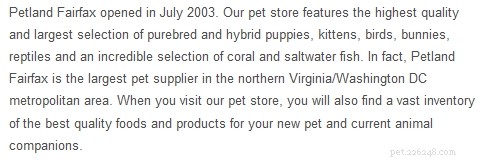
Pet stores do have many purebreds – this is true. What isn’t true is that pet stores are the only place to find purebred puppies. If you absolutely have your mind set on getting a certain breed of puppy go through a good breeder. If you are looking for a certain breed don’t discount rescues and shelters – around 25% of dogs in U.S. shelters are purebred. There’s also many breed specific rescue organizations out there.
Many shelters and rescues are willing to accept applications for potential dogs meaning that if they don’t currently have the Bulldog you’re looking for they’ll call you when they get one and see if it’s a good match. I know it can be hard to wait if you’ve made the decision to add a new dog to the family – but don’t buy one impulsively.
People spend more time researching their next car purchase then their next dog, and millions of pets are rehomed each year. Make sure you do the research before adding a new pet to the family.
Despite what pet stores claim they almost always buy their puppies from puppy mills. If we continue to buy from pet stores it’s going to keep puppy mills in business. We need to look past the cute face in the pet store and remind ourselves of the unethical conditions that led to him being there.
Whenever you feel the urge to buy a pet store puppy just walk away – not giving them business is a choice – and it’s one simple way to take a stand against cruelty.
How Do You Feel About Pet Stores?
Do you have a hard time walking by them without feeling bad like I do? Do you have a lot of pet stores in your area that sell puppies? What do you think we can do to put and end to the puppy mill industry? Is shutting down the remaining pet stores enough? I’d love to hear your thoughts on the subject.
- Pet Behavior
- Pet Breeds
- Pet Names
- Pet Adoption
- Pet Training
- Pet Information
- Pet Health
- Adorable Pets
- Dogs
- Understanding the Risks of Flat-Faced Pets: Why This Trend Matters
- How to Choose Pet Toys They’ll Love: A Guide for Happy, Healthy Pets
- Why Dogs Spin: The Science Behind Their Twirling Behavior
- Choosing Puppies and Kittens: Why Pet Stores May Not Be the Best Choice
- How to Know if Your Dog Loves You: Expert Signs & Tips
- Do Dogs Detect Your Love? Uncovering Canine Perception
- Do Dogs Truly Love You? Spotting Their Genuine Affection