

Home Dog Grooming Made Easy: Expert Tips for a Healthy, Happy Pet
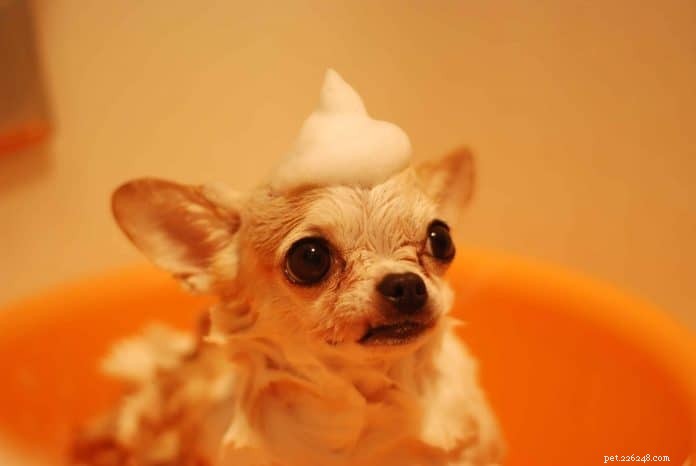
Grooming your pet and knowing what goes into it is necessary when doing it yourself. In this guide, we’ll equip you with the tips and tricks to ease the grooming process.
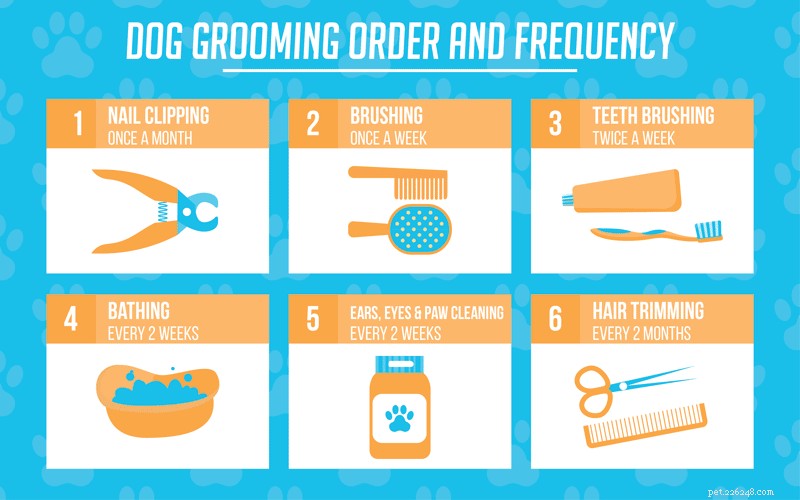
- Nail Trimming
- Brushing
- Teeth Brushing
- Bathing
- Ear Cleaning
- Eye Cleaning
- Paw Cleaning
- Hair Trimming
- Training Your Dog to Enjoy Grooming
Nail Trimming
Recommended frequency: every 1 – 2 months
A good indication is when your dog’s nails make a clicking sound when he’s walking.
Why Do You Need to Trim Your Dog’s Nails?
Comfort when walking or runningWhen his nails get too long, it’s likely that he’ll change his walking style to adapt to the pain. This may cause joint pain, joint misalignment or arthritis in the long run.
How to Trim Your Dog’s Nails
- Choose a well-lit spot to trim your dog’s nails.
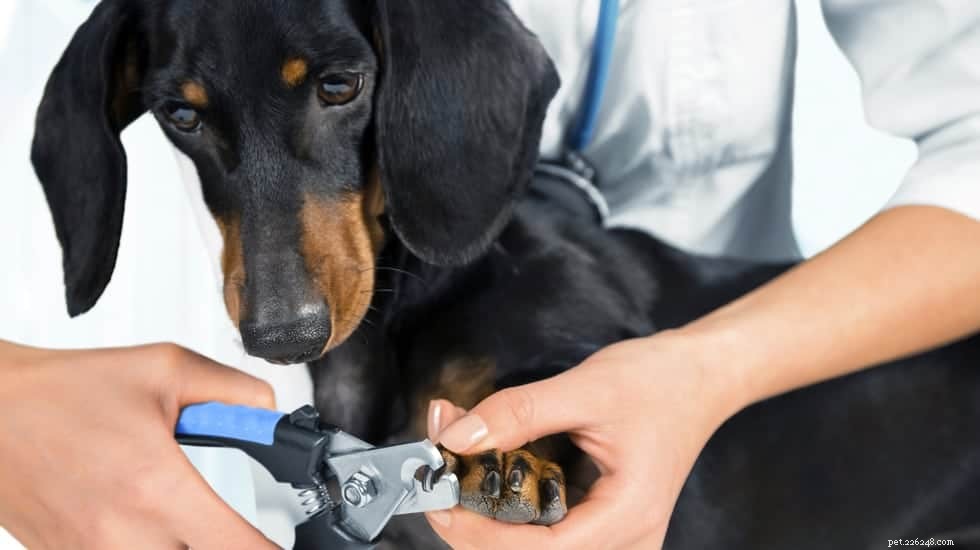
- Position him comfortably such that his paw is facing upwards.
- Hold his foot firmly but gently and ensure that he’s calm.
- Using a nail clipper for dogs, start by snipping bit by bit.
- Refrain from cutting too deep to prevent any bleeding.
For dogs with white nails, look out for a black dot – that’s when you’re getting close to the quick and should stop cutting.
Brushing
Recommended frequency: 1 – 2 times a week
Why Do You Need to Brush Your Dog’s Fur?
Maintain their coat health and shine by spreading the natural oilsReduce shedding
Prevent skin wounds or infections by getting rid of mats
Early detection of fleas and ticks
Which Brush Should You Use?
Getting the right dog brush will make the grooming process more comfortable and effective.
Here’s what to get based on your pet’s coat length or type:
e.g. Boston Terrier, Great Dane | 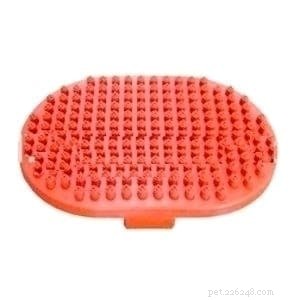 Rubber Brush (Kudi Pet) Rubber Brush (Kudi Pet) |
e.g. Labrador, Pug | 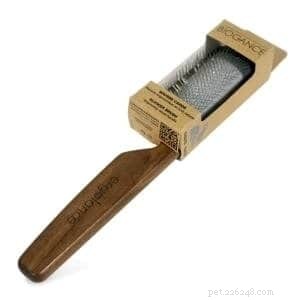 Slicker Brush (Biogance) Slicker Brush (Biogance) |
e.g. Husky, German Shepherd | 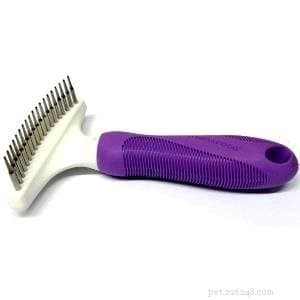 Rake Comb (Tommy&Coco) Rake Comb (Tommy&Coco) |
e.g. Golden Retriever, Border Collie | 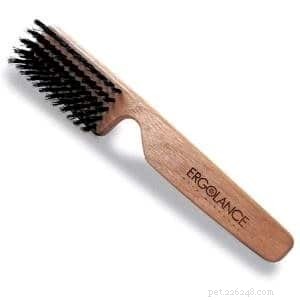 Bristle Brush (Biogance) Bristle Brush (Biogance) |
e.g. Maltese, Shih Tzu | 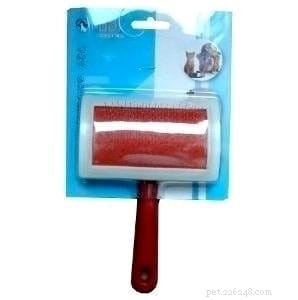 Slicker Brush (Kudi Pet) Slicker Brush (Kudi Pet) |
e.g. Poodle, Bichon Frise | 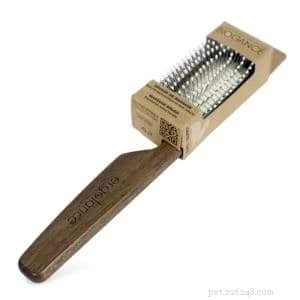 Pin Massage Brush (Biogance) Pin Massage Brush (Biogance) |
e.g. Terriers, Schnauzer | 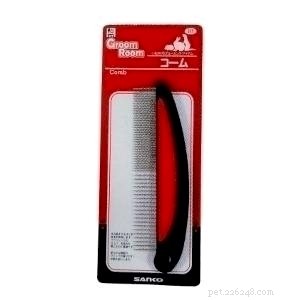 Comb With Metal Teeth (Wild) Comb With Metal Teeth (Wild) |
e.g. Shetland Sheepdog, Shiba Inu | 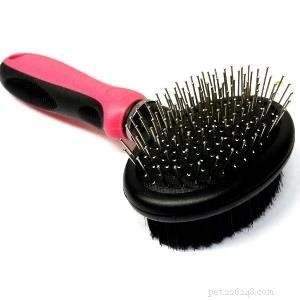 Pin & Bristle Brush (Tommy&Coco) Pin & Bristle Brush (Tommy&Coco) |
Note: most dogs usually require more than one type of brush.
If you’re looking for another brush, Foolee’s de-shedding tools are suitable for all dogs.
- Foolee De-shedding Tool
- Foolee Easee Brush Head + Folee Easee Shedding Tool (brush head is interchangeable)
Teeth Brushing
Recommended frequency: 2 – 3 times a week
Why Do You Need to Brush Your Dog’s Teeth?
Eliminate bad breathRemove tartar and plaque
Prevent gum disease and damage to internal organs
How to Brush Your Dog’s Teeth
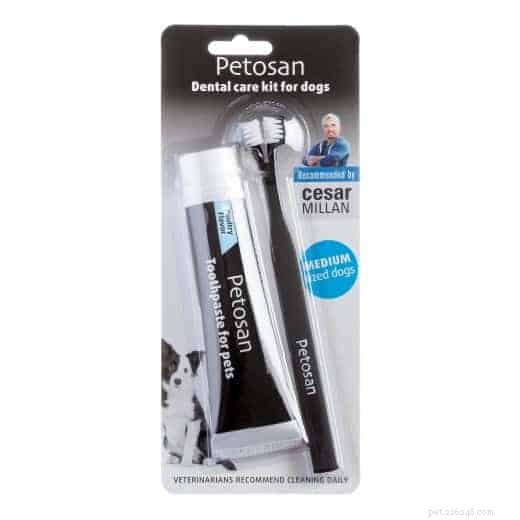
- Ensure that you have the right dental care products, including dog toothpaste and toothbrush.
It’s crucial to use only toothpaste and toothbrushes made specifically for dogs.
Finger brushes may be used for smaller dogs, whereas those with longer handles are more suited for larger dogs. Dog toothpaste will also come in edible flavours, as dogs are not taught to spit toothpaste out.
- Get in a comfortable position where you can brush your dog’s teeth easily.
- Prep him for the brushing.
Test if your dog is willing to get his teeth brushed. Try rubbing your finger against his teeth and gums gently and let him taste the toothpaste.
This is for him to get accustomed to the procedure.
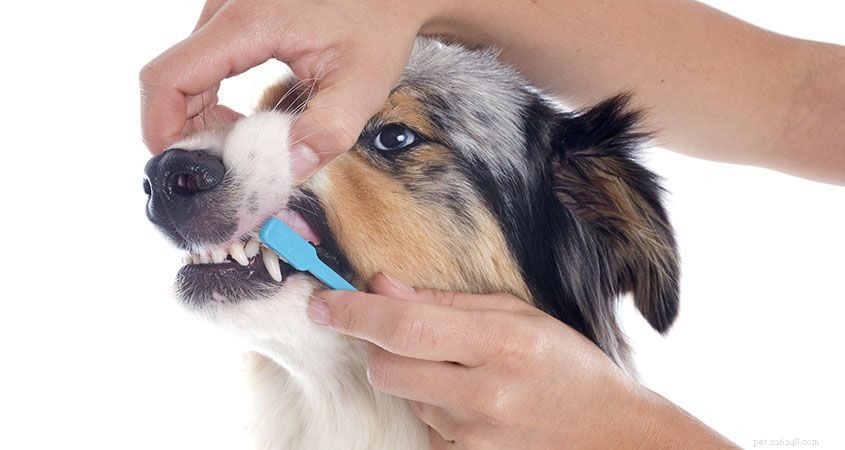
- Test out the toothbrush and start slow.
Lift his upper lip and start brushing with toothpaste gently.
- Brush in a circular motion.
Check for any bleeding when brushing. Light, occasional bleeding is fine, but if it gets heavy and excessive, it’s time to consult your vet.
- Create a calming and encouraging environment.
Your dog can sense your feelings, so if you remain composed and encouraging during the process, he’s more likely to cooperate.
Bathing
Recommended frequency: every 2 weeks
Why do you need to bathe your dog?
Maintain hygieneCheck for any wounds or parasites
Things to Take Note of When Bathing Your Dog
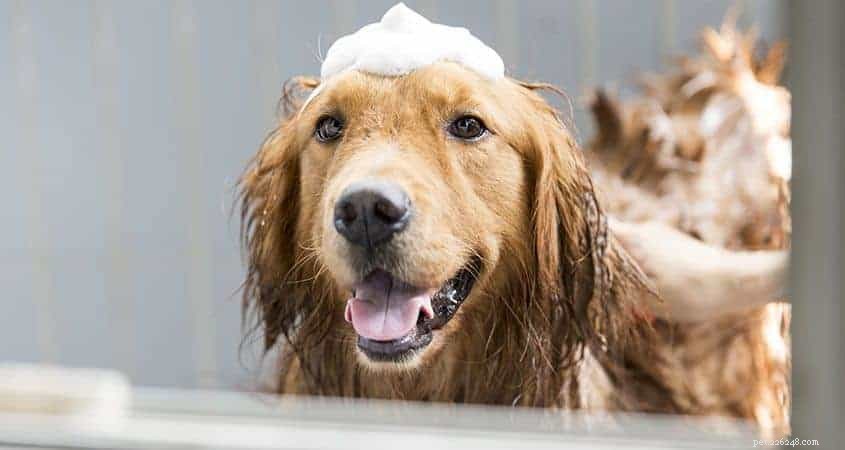
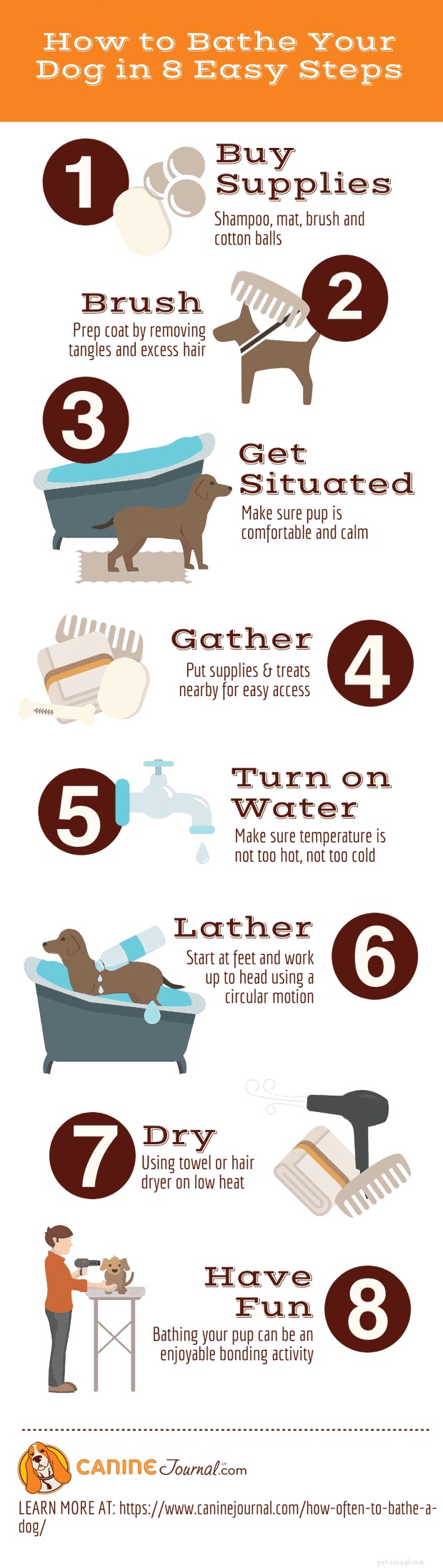
- Brush your dog before a bath
Remove mats before wetting your dog. Otherwise, it’ll worsen any tangles.
- Use a dog shampoo
Dogs require a gentler shampoo than humans and even babies.
- Have everything you need within reach
Be well prepared. During the bath, your dog should never be left unattended. Thus, it’s important to ensure that the shampoo, cotton balls (for ears) and towel are nearby.
- Place a bath mat for them to stand comfortably on without slipping
- Use slighted heated water
- Avoid getting shampoo in their eyes and ears!
- Rinse thoroughly with water
Leaving shampoo on your dog’s fur may lead to skin irritation and infections.
- For drying, set hairdryer to cool setting
How to Bathe Your Dog
Ear Cleaning
Recommended frequency: every 2 weeks
Why Do You Need to Clean Your Dog’s Ears?
Prevent infectionsRemove dirt and ear mites
Maintain optimum bacteria balance
How to Clean Your Dog’s Ears

All you need is: your preferred ear cleaning solution and some cotton balls.
- Sit on the floor and position your dog such that he’s comfortable and you’re able to hold on to an ear to clean it.
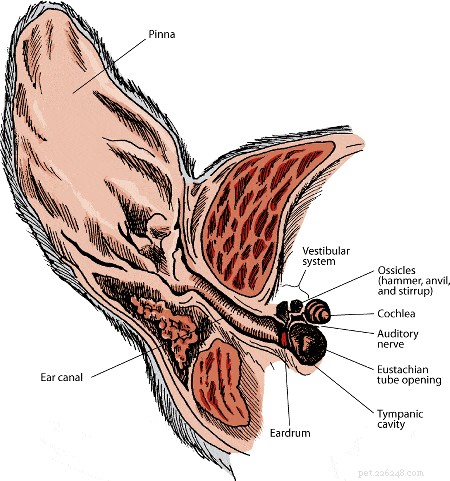
- Hold the pinna (or ear flap) up vertically while holding the ear cleaning solution in your other hand.
- Squeeze some solution into his ear.
It’s okay for the cleaner to spill out of the ear.
- While still holding the ear up, give a gentle massage to the bottom of the ear.
You’ll be able to hear the liquid move down the ear canal. This helps to clean the entire ear thoroughly.
- Let your dog shake out any extra solution.
- Then, hold his ear up and use a cotton ball to clean any debris and liquid.
Eye Cleaning
Recommended frequency: every 2 weeks
Why Do You Need to Clean Your Dog’s Eyes?
Prevent infectionsMethods You Can Use to Clean Your Dog’s Eyes
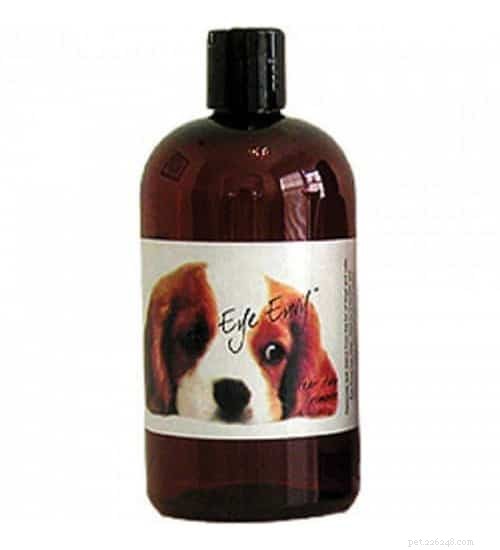
- Wipe with a tear stain removal solution
Use either a sponge, cloth or gauze to do this. Wet it with just enough solution to wipe any dirt off your pet’s eyes.
Avoid using tissues or paper towels as they’ll shred when wet and irritate the eyes.

- Wipe with moist wipes
This is the convenient solution. However, ensure that the wipes are made specially for dogs.
When wiping your dog’s eyes, be gentle and do not touch his eyes.
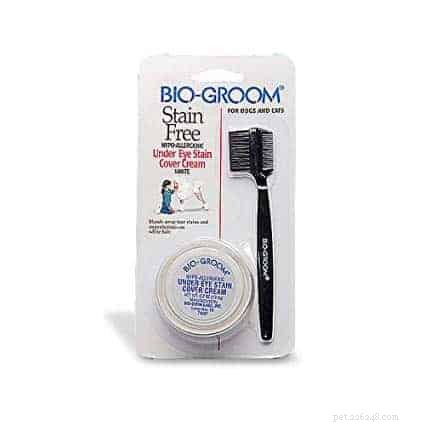
- Cover with face cream or powder
For dogs with white fur, using face cream/powder helps to blend any tear stains away. This is a safer but less permanent solution than wiping.
- Trim stained fur off
Only use clippers if you dog is calm and tolerant of it. Otherwise, get help from a professional groomer.
Paw Cleaning
Recommended frequency: every 2 weeks
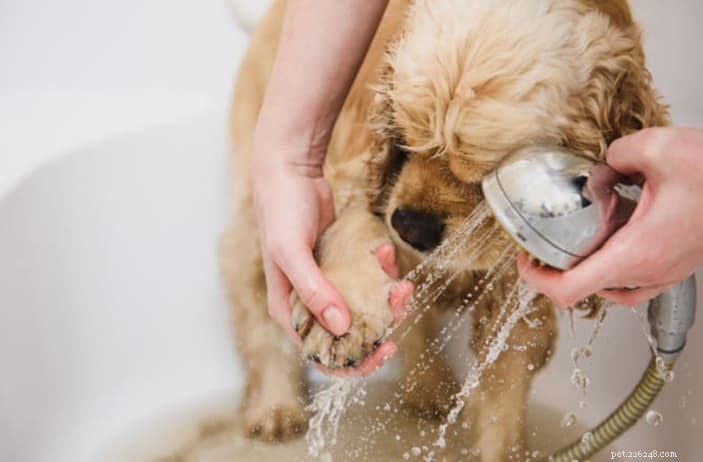
Why Do You Need to Clean Your Dog’s Paws?
Remove any dirt stuck in between their toesAttend to any wounds or cuts immediately
Prevent irritation due to dirt accumulation
Ways to Clean Your Dog’s Paws Effectively
- Buy dog boots for your pet
If you prefer to keep your dog’s paws clean at all times, wearing dog boots is the solution.
- Get your dog accustomed to foot touching
Once he’s used to the idea and feeling of getting his feet touched, the process would be smoother.
Make him comfortable by starting slow – give constant encouragement and treats.
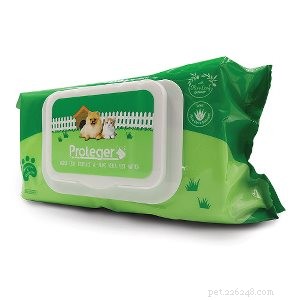
- Wipe with pet wipes
- Use shampoo to wash
This can be done during baths, or whenever he steps onto something that is harder to remove.
Hair Trimming
Recommended frequency: every 2 months
Why Do You Need to Trim Your Dog’s Hair?
Prevent mattingImprove comfort
Preparation Needed Before Cutting Your Dog’s Hair
- Purchase a full set of grooming scissors
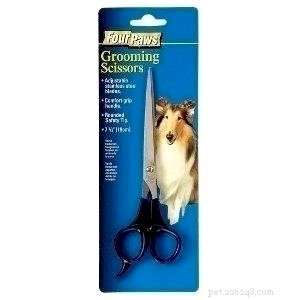 Four Paws Grooming Scissors (7.5") Four Paws Grooming Scissors (7.5") | ||
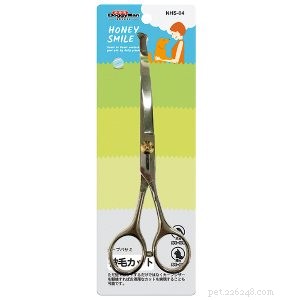 NHS Round Tip Grooming Scissor NHS Round Tip Grooming Scissor | ||
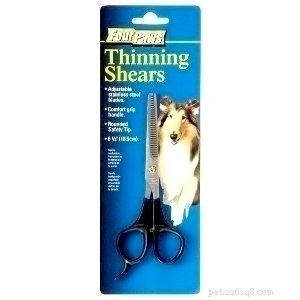 Four Paws Thinning Shears Four Paws Thinning Shears |
- Set up a grooming station
Place a mat underneath your pet so that when done, you can easily throw the hair away. Also, ensure that all your grooming tools are within reach.
- Grooming scissors should be sharpened and oiled
This ensures a clean cut to prevent tugging on your pet’s hair.
How to Cut Your Dog’s Hair

- Start by combing his coat to get rid of mats
You can also choose to trim his hair after a bath when his coat is damp.
- Decide on your preferred length
There’s no restrictions to the length of the coat, as long as you don’t cut too near to their skin. To ensure that you cut evenly, use your finger as a ruler.
- Work from the front to the back of the body
Work calmly and carefully.
- Deal with delicate areas last
Trim the more essential parts before the sensitive areas like the face and tail, so if your dog gets restless, at least the bulk of it is done.
- Finish off by using the thinning scissors to trim any matted or thick patches
Training Your Dog To Enjoy Grooming
The key to nailing DIY grooming is comfort and consistency.
Take it slow and make the environment as comfortable for your pet as possible. Give him his favourite treat after its done so he’ll associate the experience with positive reinforcement.
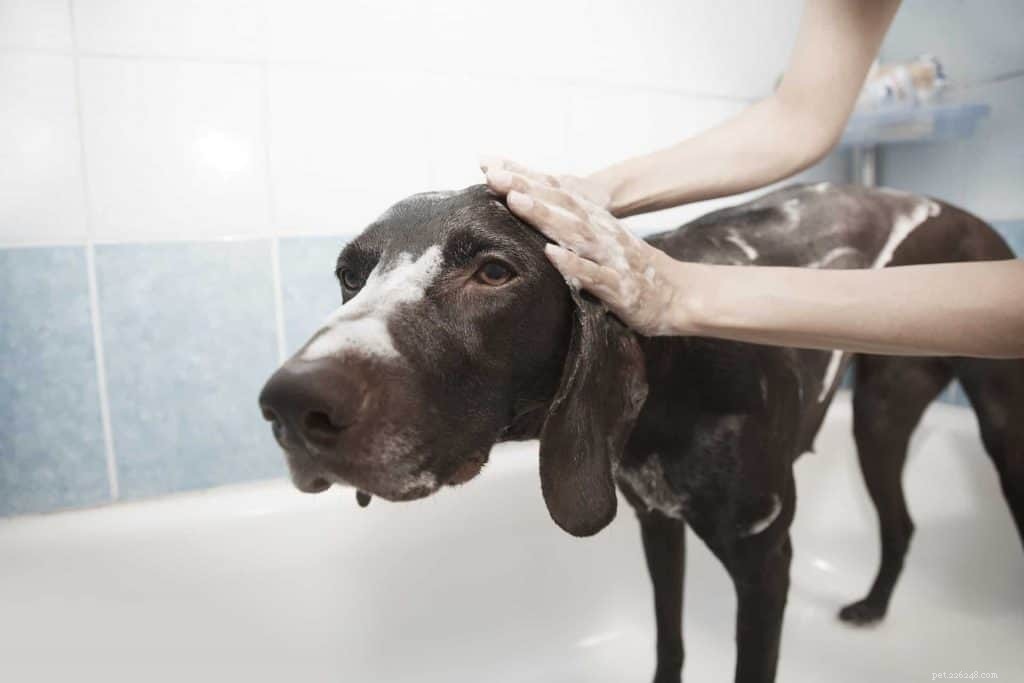
Once he’s used to the routine, he’ll be calmer and the process will be smooth sailing.
Professional Groomer
If you on the other hand want to get your dog spruced up by a professional pet groomer, you can always make an appointment with any one of our pet groomers here at Pet Lovers Centre.
Our team of pet groomers are well-trained and experienced and will treat your furkid with tender loving care.
They have also been featured on many magazines like:


Contact us to book an appointment today!
- Pet Behavior
- Pet Breeds
- Pet Names
- Pet Adoption
- Pet Training
- Pet Information
- Pet Health
- Adorable Pets
- Dogs
- How to Choose the Perfect Name for Your New Dog: A Comprehensive Guide
- The Ultimate Guide to Choosing and Installing the Perfect Dog Door
- Comprehensive Expert Guide to Dog Grooming: Brushing, Bathing, and Care Tips
- Your First Home Grooming Guide: Caring for Your New Dog
- Your Complete Guide to a Stress‑Free Vet Visit for Your Pet
- The Ultimate Home Grooming Kit: Must-Have Tools for Your Pet
- 39 Proven Dog Care Tips: The Ultimate Guide for Pet Parents