

Can Dogs Contract Poison Ivy? Signs, Prevention, and Treatment
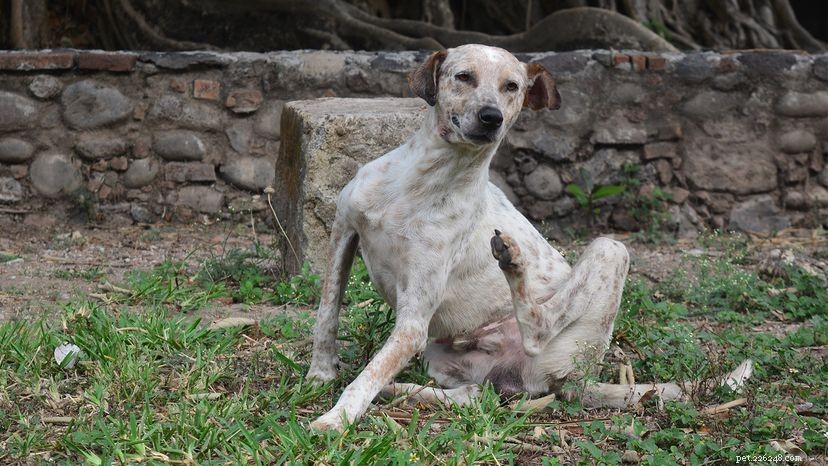 Notice your pooch itching and scratching, looking miserably uncomfortable? He may have been exposed to poison ivy — yes, dogs can get it, too.
 If you're a dog lover who enjoys spending time in the great outdoors, here's an uncomfortable fact you might not have been aware of, especially if you like letting your pup roam off its leash. Did you know that your beloved four-legged pal can get poison ivy (and its cousins poison oak and sumac) just like humans? Yep. The whole nine yards – complete with redness, swelling and itchy rash.
And, while it's easy to treat the rash (as it is for humans), since dogs don't know not to scratch, it's also easier for them to get a secondary infection.
Leaves of Three, Leave Them Be
Poison ivy, poison oak and poison sumac grow in wooded areas all over North America. There's a sticky oil in the plants (leaves, stem and roots) called urushiol that gets absorbed into the skin and causes contact dermatitis – the itchy rash – with the slightest touch. Even a trace amount of urushiol on a person who is allergic to it can cause the red uncomfortable rash we call "poison ivy."
Typically, your dog's coat would protect it from urushiol reaching its skin, but urushiol can still reach exposed skin on your pup's belly or underneath its legs. And while it is uncommon for dogs to break out in a rash, it is possible. It's far more likely that your dog would spread poison ivy to you.
Tubby Time
The best way to protect your dog (and you) after a stroll through poison ivy, is to bathe your furry friend as soon as you get home. Here are a few tips:
If you notice your pup licking, scratching or obviously irritated by something on its skin, see if your veterinarian can recommend a topical hydrocortisone cream. Hydrocortisone can sometimes cause a reaction if licked off and ingested by your dog, so always discuss any medication, even a topical cream, with your vet first to make sure it's safe. They might even suggest giving your dog Benedryl – but, again, don't give your dog any medication without checking with your vet first.
And here's a pro tip: Wash everything that came into contact with your dog – clothing, towels, bath rugs. Urushiol stays on fabric and transfers easily to anyone who touches it. That's how poison ivy spreads.
Now That's InterestingAbout 85 percent of people are allergic to urushiol. It's considered the most common allergic reaction in the U.S., affecting 50 million Americans each year. Even if you've never had an allergic reaction to it, that doesn't mean you never will. You can be affected by it at any age.
- Pet Behavior
- Pet Breeds
- Pet Names
- Pet Adoption
- Pet Training
- Pet Information
- Pet Health
- Adorable Pets
- Dogs
- Can Dogs Contract Poison Ivy? Protect Your Pet from Rash and Blister
- Can Your Dog Spread Poison Ivy to You? Learn How to Protect Yourself
- Can Dogs Be Affected by Poison Ivy?
- Can Dogs Get Sunburn? Expert Tips to Keep Their Skin Safe.
- Poison Ivy: How It Affects Your Dog & What to Do
- Do Dogs Get Tetanus? Understanding Risks, Symptoms, and Vaccination
- Is Ringworm a Risk for Dogs? Understanding Causes, Symptoms, and Prevention