

Why Glucosamine Is Prohibited in Certified Organic Dog Supplements
History of organic farming in the US
Organic food is nothing new. The concepts of organic agriculture date back to the early 1900s.
Sir Albert Howard, F.H. King, Rudolf Steiner, and a few others realized that we needed a better farming system using:
- animal manures (often made into compost)
- cover crops
- crop-rotation
- biologically-based pest controls
Many people believe organic means that chemicals are not used, but it is instead a self-sustainable system. For example, cover crops are crops grown for the sole purpose of protecting and enriching the soil. Our soil is a natural resource, and fortunately, it is one we can replenish using this technique.
Silent Spring, a nonfiction book written by Rachel Carson, greatly influenced the demand for organic farming in the 1960s. Her book describes a ruined environment in which no bird is singing. In regards to pesticides, she writes:
In the 1970s, organic agriculture started growing significantly. Initially, there was no certification. However, most people agreed on the general philosophy. Then, the certification process became regional, with a different approach in New York compared to California for example.
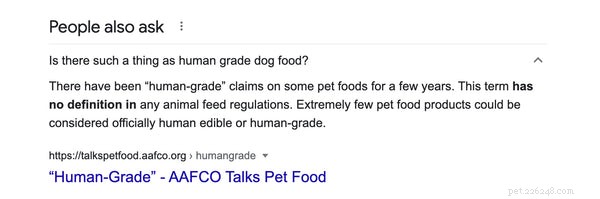
We all know that it is hard to know the standard without certification. For example, numerous pet products nowadays claim "100% natural" or "all-natural," or even "human-grade." However, if you search for that standard online, you will come up empty.
Human-grade claim
The AAFCO, which is a non-profit organization that sets standards for the quality and safety of animal feed and pet food in the United States, says the following:
What about "All-natural"?
Officially, the FDA says you cannot misleadingly use the term "all-natural." But, in reality, they are also saying that they will not check any human or pet label. So, although dog foods and dog supplements may write "all-natural" on their packaging, it is an empty promise.
The birth of the Organic Certification
Congress passed the Organic Foods Production Act (OFPA) in 1990 to develop the national standard that was much needed. It covered the production of organic food and fiber. In 2002, the USDA finished the rules regarding substances that farmers could use in organic production and handling.
The USDA Organic Seal
The actual organic standard is now any product that bears the USDA Organic Seal. So be careful with products that claim "organic" or "made with organic ingredients," and don't bear the seal.
The seal is the only proof consumers have that what they purchased by third-party inspected and certified by USDA Organic certifiers.
Specifically, a pet product that bears the seal needs to comply with the following two conditions:
- 95% or more of the ingredients need to be certified organic
- it cannot contain prohibited ingredients
Prohibited ingredients include synthetic substances, such as glucosamine. Glucosamine is a prevalent supplement for dogs, but it is actually produced using a chemical reaction on shellfish shells.
This chemical reaction is why you will never find a USDA Seal on a dog supplement containing glucosamine. Even if 95% of the ingredients are organic or more, because glucosamine is prohibited, the end product cannot be certified if it has it.
It makes sense if you think about it: a crop cannot be certified organic if you use a synthetic substance on it. It is the same rule for actual products.
You can refer to the National List of Allowed and Prohibited Substances. While it mainly covers crops, it also identified a limited number of non-organic substances that pet food and supplement manufacturers may use in or on processed organic products.
If you enjoyed reading this article and would like to be notified when we publish similar ones, subscribe to our newsletter below.
- Pet Behavior
- Pet Breeds
- Pet Names
- Pet Adoption
- Pet Training
- Pet Information
- Pet Health
- Adorable Pets
- Dogs
- Understanding Dog Panting and Anxiety: Causes & Coping Strategies
- Why Your Dog Chews Everything – Find the Causes & Solutions
- Understanding Dog Pacing: 11 Causes & Practical Solutions
- Why Dogs Bite Leashes: Causes, Symptoms, and Effective Solutions
- Top 10 Winter Dog Jackets: Keep Your Pet Warm & Safe
- Choosing and Using Dog Supplements for Optimal Health
- Understanding Your Dog’s Cough and Wheeze: Causes and When to Seek Veterinary Care