

Protect Your Dog: Proven Steps to Prevent Theft
You may have seen news stories about dogs being stolen from their pet parents.
In Washington, D.C., there have been multiple instances of dogs being stolen (from pet parents and shelters or pet stores) over the past few months. Many other states (including Pennsylvania, New Jersey, New York, California and Texas, just to name a few) have reported dog theft incidents from this year.
So why are people stealing dogs?
According to Chris DeRose, founder and president of Last Chance for Animals (LCA), "The primary motive for stealing dogs is money … Once stolen, a dog can be sold to puppy mills, dog fighting rings or to research facilities.”
And because pets are considered personal property by law enforcement, dognappers don’t face serious consequences. Stealing a dog is usually considered a misdemeanor, which means robbers will only face a fine (which can be as little as $50) and less than a year in jail.
Most commonly stolen dogs
There are some breeds and types of dogs that are more likely to be stolen. Small dogs and puppies are more frequently taken, since dognappers can easily grab them.
Dogs who are friendly toward strangers are also targeted because a person can take them away from their owners without much struggle. “Dogs with a good disposition are often stolen to sell to research facilities as they have been known to make easier test subjects,” a representative from LCA told The Dodo.
“Dog breeds that are most at risk of being stolen are purebred and designer breeds because of their monetary value,” the LCA rep said. For example, a purebred Frenchie can sell for thousands of dollars.
“But all dogs, regardless of pedigree, are vulnerable to being stolen,” the LCA rep added.
How to protect your pet and yourself from dog theft
It’s important to know how to protect yourself and your pup from dog theft. Below are some steps you can take:
- Be aware of your surroundings when walking your dog.
- Don’t let your dog out alone if you don’t have a fenced yard.
- Keep your dog indoors when you’re not at home.
- Don’t leave your dog tied up outside of a store.
- Walk your dog on a leash.
- Always keep your dog’s collar and ID tags on when walking him.
- Avoid routine — if dognappers notice you have a routine with your dog, they can easily figure out when and how to intercept you.
- Spay or neuter your dog — unaltered dogs are often targeted because they can be bred for profit.
- Get your dog microchipped — if your dog winds up in a shelter or veterinary office, they can scan the microchip to find your information.
- Get a GPS collar (like this one) to keep track of your dog’s location.
- Install security cameras around your house or yard.
If you are approached by someone looking to steal your dog, use these tips to protect yourself:
- Try to get away from the person as quickly as possible.
- Don’t try to fight or resist the attacker — you can get hurt.
- If there are people nearby, ask them for help.
- Yell to distract or scare the attacker.
What to do if your dog is stolen
If your dog gets stolen, tell the police right away. Here are some other things LCA recommends pet owners do to get their pups back:
- File a report with the police ASAP so there’s a record of the theft.
- Contact your local animal control department and shelters to let them know your dog is missing and to check if someone brought your dog there. You can file a lost pet report with these organizations.
- Check online postings for lost dogs or dogs being sold in your area, like those on Craigslist.
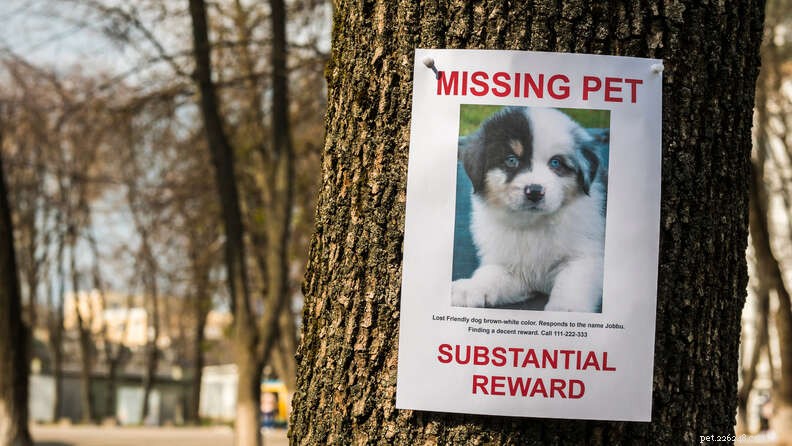
- Put up posters in the area where your dog was taken (but don’t put a monetary reward on them, since many thieves steal dogs just to claim the reward). Include a recent photo of your pet and your contact information.
- Check websites, like these, for lost dogs: The Center for Lost Pets, Petco Love Lost, AKC Reunite, Pet FBI, Lost Dogs of America or Fido Finder.
You can also contact government representatives to tell them to support the Pet Safety and Protection Act (PSPA), which will help end the sale of stolen pets to research facilities.
“LCA continues to push Congress to pass the Pet Safety and Protection Act,” DeRose told The Dodo. “This bill is essential to protecting pets and pet owners across the nation."
The thought of having your pup stolen is super scary, so be sure to keep your pup safe, and if something does happen, use these resources to bring him home.
- Pet Behavior
- Pet Breeds
- Pet Names
- Pet Adoption
- Pet Training
- Pet Information
- Pet Health
- Adorable Pets
- Dogs
- Safeguarding Your Dog Against Wolf Attacks: Proven Strategies
- Prevent Dog Bites: Proven Strategies for Owners and Caretakers
- How to Stop Your Dog from Humping: Proven, Humane Solutions
- Safeguard Your Dog from Heat Exhaustion This Summer
- How to Stop Anxiety-Driven Urination in Dogs
- Prevent Foxtail Injuries: A Comprehensive Guide to Protecting Your Dog
- Keep Your Dog Safe: Expert Tips to Beat the Summer Heat