

Can Dogs Really Lie About Limping? A Veterinary Insight
Introduction
The dog has you beat!
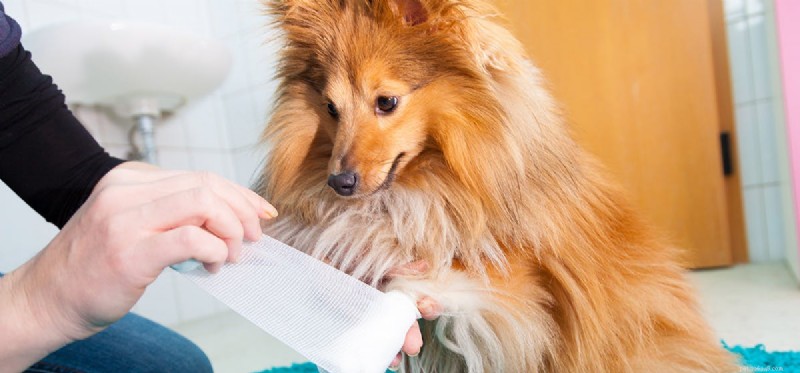
A month ago he cut his leg. It was a skin wound that needed stitches, but the vet was confident there was no damage to the ligaments or tendons. After surgery, the dog sported a fetching bandage to protect the sutures and keep the wound clean. He tugged at your heartstrings as he hobbled around on three legs, holding up his bandaged paw.
As the days passed, the wound healed, and yet the dog kept holding up his leg. It was starting to bother you. The bandage came off and still, the dog limped. What's going on? Worried, you took him back to the vet who ran a full physical on the leg and could find nothing wrong. The dog didn't wince, cry, or resist being examined...and yet still, he limped. Now even the vet was puzzled as to the reason. Was there some undiagnosed damage to the bone, or could it be that the dog is putting on the limp?
Signs a Dog is Faking a Limp
The most obvious sign is a limp! The big question is whether the lameness is caused by pain or a mechanical problem to the limb, or whether this is an issue with the brain rather than the leg. When trying to sort the wood from the trees, approach the problem in a logical manner.
Ask yourself if the dog has had an injury to the leg they are hobbling on. After all, it's always better to assume the dog is in pain and get it treated than overlook a genuine problem. If they have had a knock or sprain, then get a vet checkup. A professional can manipulate the leg to pinpoint the seat of pain and also look for telltale signs such as swelling, redness, or heat.
Consider how old the dog is. Again, an older dog may well have arthritis or another condition which causes them to limp.
Then, think carefully about when the dog limps. Is it worse at certain times of the day? And crucially, do they always limp on the same leg? Whilst shifting lameness that passes from leg to leg is not uncommon, if the dog is looking at you with puppy-dog eyes and holding up a different front paw each time, then they may be playing for sympathy and be fine after all.
History of Dogs Faking a Limp
Dogs aren't devious as such, they just like our attention! This goes deep to the core of why dogs are 'man's best friend' in that it's their loyalty, devotion, and appreciation of our attention which we, in turn, find so rewarding. When a dog fakes a limp, this isn't about getting out of going for a walk in the wet, so much as loving our reaction when we see our dog is hurt.
In effect, it's us that train a dog to limp (rather than the dog faking it) and so really we only have ourselves to blame.
Science of Dogs Faking a Limp
This comes down to how dogs learn and how we train theme. Reward-based training is a well respected and recognized training method. This works by praising the dog when they do something well, such as "Sit" on cue or "Stay" when told. The dog learns that by doing as asked, they get a tasty treat. They then work that the easiest way to get you to give a treat is by behaving well.
This same psychology applies to fake limps. It may all have started with a genuine injury, such as our dog in the introduction with a cut leg. What happened was that his owners cooed and fussed over the bandaged leg, which the dog rather enjoyed. He then realized that by lifting the 'poorly' paw and working those puppy-dog eyes, he could wangle more attention out of his unsuspecting (but willing) pet parents.
In short, by rewarding the limp with attention, the owner taught the dog to fake a limp.
Training a Dog to Fake a Limp
This is easier than you might suppose.
Start out by watching the dog carefully and every time they happen to lift a particular paw off the ground, say "Yes!" in an enthusiastic voice and give them a reward. Keep repeating this every time they happen to raise that paw. Pretty soon, they'll cotton on to this as a good thing, and try lifting up the paw to see what happens. Seize the moment by saying "Yes!", being super-pleased, and giving them a treat.
Once the dog regularly offers up a paw, start ignoring them until they lift it up higher. Then, and only then, say "Yes" and reward them. This encourages them to put more effort in and exaggerate the action. The final step is to then add a cue word, such as "Limp" as they raise the leg. Once the penny drops that the action of raising the leg is called "Limp", they know how to behave when they hear the cue.
- Pet Behavior
- Pet Breeds
- Pet Names
- Pet Adoption
- Pet Training
- Pet Information
- Pet Health
- Adorable Pets
- Dogs
- Can Dogs Fake a Cough? What You Need to Know
- Do Dogs Truly Show Guilt? Understanding Their Behavior
- Do Dogs Really Sneez or Are They Faking? Understanding Canine Sneezing Behavior
- Do Dogs Fake Pregnancy? Understanding Pseudocyesis in Female Dogs
- Do Dogs Truly Express Joy? Understanding Their Emotions
- Can Dogs Really Fake Pain? What to Watch For
- Do Dogs Truly Fake Sadness? Understanding Canine Emotional Signals