

Can Dogs Cope With Dementia? Understanding Symptoms and Care
Introduction
While you've probably heard the quippy pun "dogzheimers," doggy-dementia is a very real disorder that affects senior doggos. Much like dementia in humans, it can be a very serious problem that can cause both you and your pup a fair bit of distress. If you're unsure about how to tell if your dog has dementia, but you suspect something is wrong, there are a few different signs and symptoms that can clue you in on if your doggo is suffering from dementia.
Luckily, aging in dogs with dementia, though a bit confusing and disorientating, doesn't mean the end of your dog's happy life. There are dozens of ways to train your pup, train yourself, and make life adaptations for your pooch that can help him navigate through life smoothly - even if it is a bit confusing at times.
Check out our article to figure out a few ways you can mitigate the effects of dementia as your four-legged friend ages gracefully!

Signs Your Pooch May Have Dementia
As your dog ages, the likelihood of doggy dementia increases, and while it can be disheartening and a little disconcerting at first, those senior moments your pup is experiencing are normal. If you feel like your doggo's senior moments are getting a bit too intense, he might be suffering from the doggy version of Alzheimer's, called dementia or cognitive dysfunction. This condition can occur for a number of reasons, but it doesn't have to ruin your dog's happy life.
Ensuring that you have his condition diagnosed and taken care of is the first step in making sure your pup's quality of life continues, but what should you look out for?
First, you'll likely notice that your dog will have sleep-wake cycle disturbances and a generalized anxiety. Additionally, it's possible he'll be a bit more aggressive or have a lower threshold for aggression - this is simply because your pup is probably confused or scared.
He might start to have issues with incontinence and using the restroom in the appropriate places, he may feel lethargic and fatigued, have inappropriate vocalizations, and even stare at walls for long periods of time. You also might find that your dog is disoriented and wants little to do with social interactions.
The History of Doggy Dementia

It wasn't always a wide-spread fact that dog's can get dementia. In fact, often, when pups would get older and sometimes more aggressive or have behavior changes, it was thought they were simply becoming mean.
In recent years, vets and researchers have noticed that pups who's behavior changes significantly in their senior years probably are suffering from a degree of dementia. According to vets at Washington State University, cognitive dysfunction in dogs isn't something new. Before it was diagnosed correctly, it was called pre-senility syndrome.
Doctors at Washington State University have said that treatment will usually involve management of behaviors and environments, and not treating the dog as elderly, as well. It's important to keep your dog's normal routine, deal with his symptoms as they come, and ensure that you pet-proof your house to make it more predictable for your forgetful dog.
The Science of Dementia

Understanding dementia can help you figure out ways to make your doggo's life easier and happier. So, let's dive into what happens to your pup's brain when dementia hits.
Technically, dementia isn't one specific disease, instead, its a collection of symptoms that are caused by disorders affecting your dog's brain. It affects your pup's behavior, his routine, and his normal demeanor.
Ultimately, it's a reduction of cognitive ability. Dementia happens when there's some sort of damage to the brain and there's an interference with the ability of brain cells to communicate with each other. Different types of dementia are associated with particular types of brain cell damage or age, and also the result of plaque buildup and tangles in your dog's brain cells. Plaque, or abnormal clusters of chemically stuck proteins known as beta-amyloids, can build up between nerve cells and cause dementia.
How to Train Your Pooch to Deal With Dementia
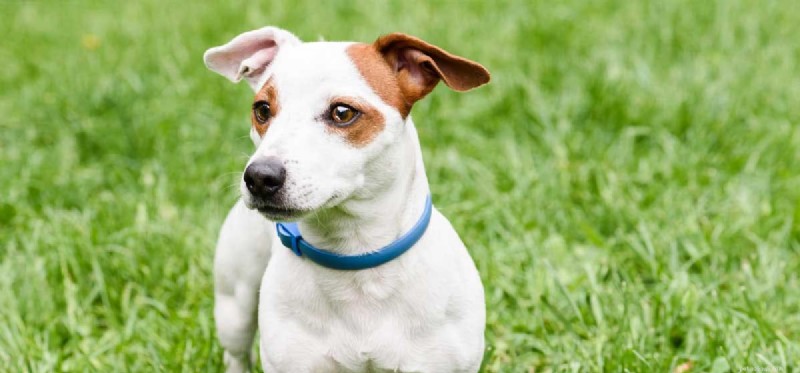
While dementia can be managed and the symptoms can be mitigated, there are some aspects of the disease that can leave your dog feeling a bit overwhelmed. Training and preparation can help you make sure that your dog's life isn't full of unnecessary stress, especially when it comes to the anxiety, worry, and confusion that go hand-in-hand with dementia.
Consider options for soothing your dog like calming music, long walks, and even aromatherapy. Additionally, a helpful tip is to continue the crate training that the pup probably learned early in life. This can sometimes help keep your pup feeling safe and secure, and curb any wandering while you're away or asleep. (Keep an eye on this technique, though, as it could stress your pooch out even further in some scenarios).
Another aspect of dealing with this disease is potentially putting your pup on anti-anxiety medicine. If that's the case, ensure your pooch is comfortable with taking pills or liquid medicines. Teach him to throw-and-catch his pill, eat it with his food, or take a syringe or medicine dropper filled with liquid medicine.
- Pet Behavior
- Pet Breeds
- Pet Names
- Pet Adoption
- Pet Training
- Pet Information
- Pet Health
- Adorable Pets
- Dogs
- Can Dogs Live with Cancer? Understanding Treatment and Prognosis
- Can Dogs Live with Cataracts? Expert Guide to Vision Care
- Can Dogs and Geese Coexist? A Guide to Harmonious Co‑habitation
- Dogs & Peafowl: How to Keep Them Safe Together
- Can Dogs Survive with Protein‑Losing Enteropathy? Understanding the Outlook
- Can Dogs Live With Arthritis? Expert Tips for Managing Joint Health
- Managing Diabetes in Dogs: A Guide to Healthy, Happy Lives