

Do Dogs Taste and Digest Fruit? What You Need to Know
Introduction
Let's face it, dogs are living and breathing vacuum cleaners that eat up whatever they can get their mouths on. However, if your pup ends up consuming something not edible or bad for doggy health, this can lead to bad side effects like vomiting and diarrhea.
So what happens if your pup ends up grabbing some fruit? Even further, can you freely give your pooch fruity foods without worry about their health?. Read on to find out more!

Signs You Dog Can Taste Fruity Food
Although dogs tend to have pretty low standards and will rummage through garbage for food, dogs are omnivores and over time they have developed a liking to sweet flavors, especially naturally occurring sweet flavors we find in fruits. Further, because smell and taste are interrelated, dogs are able to taste foods through their sense of smell with a special organ along the dog’s palate. And while our pups have an estimated 125 million sensory glands in their noses (compared to our 5-to-10 million) dogs are generally not picky eaters.
Fruit is naturally sweet, meaning most dogs will probably enjoy fruit quickly. Ultimately, you know your pup the best, so it will likely be easier for you to tell if your pooch is enjoying a fruity find. When giving your pup fruit for the first time, watch if they eat the fruit with excitement (think about an upright tail or a tail wag). Your pup might appear alert, beg for more, or bark or whine for more food.
The History Behind Taste in Dogs
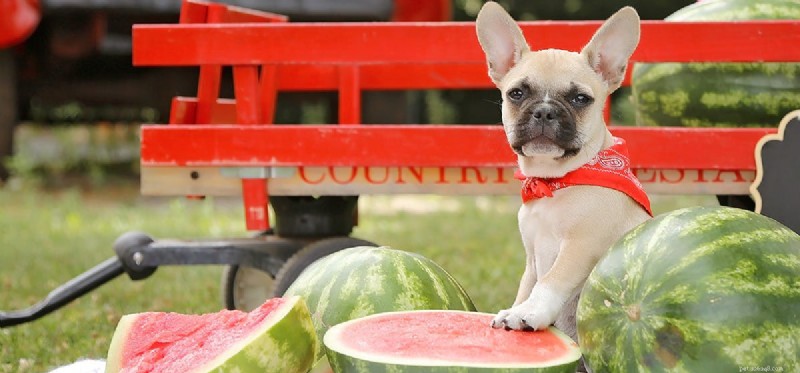
Taste is one of the oldest senses that canines have. The flavors that early pooches were exposed to were necessary for survival, so it was important that dogs could taste the difference between something good for their health versus something bad.
The golden rule was, foods that tasted bad signaled that something was harmful, indigestible, or poisonous. On the other hand, foods that tasted good tended to be useful, digestible, and non harmful substances. As dogs evolved, their taste system became more specialized and sophisticated. The ability to taste for survival evolved into the ability to taste for pleasure, especially as dogs became human companions.
The Science Behind Taste in Dogs

Similarly to humans, a dog's sense of taste depends upon special receptors in the tongue, commonly known as"taste buds." Taste buds are located in small bumps on the top surface of the tongue, roof of the mouth, and back of the mouth, called "papillae." Taste sensitivity really depends upon the number and type of taste buds located in the mouth and on the tongue. While us, humans have around 9000 taste buds, man's best friend tends to have only 1700. This means that dogs have about 1/6 the number of taste buds that us humans do.
Dogs are omnivores, meaning they eat both meat and plant material. However, in the wild, more than 80 percent of a wild dog's diet will be meat. So while dogs are able to taste sweetness, salty, sour, and bitter flavors, dogs also have some specific taste receptors that help differentiate between meats, fats, and meat-related chemicals.
However, it turns out that for dogs, smell matters more than taste. If something smells good, our pups will likely get after it without a second thought. After a couple bites, the texture or taste might influence your pup too.
Giving Your Dog Fruity Foods
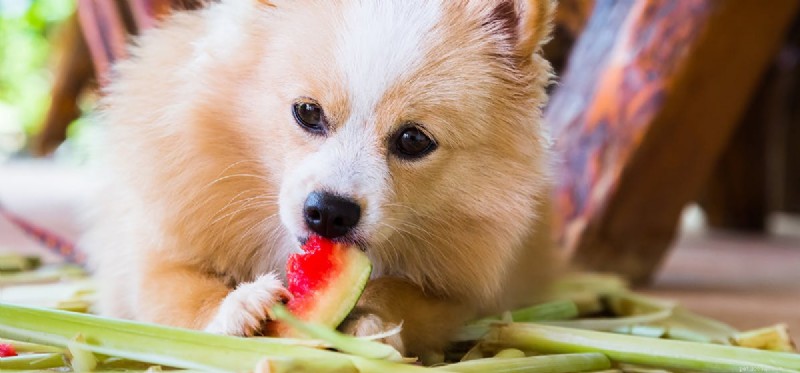
There are a few things to keep in mind when feeding your pup fruit. While most fruit is okay for dogs to eat, there are a few exceptions that can very harmful to your dog's health.
- Grapes and raisins can cause kidney damage
- Tomatoes can upset your dog's stomach
- Fruit seeds and pits are not only a choking hazard, but can also cause cyanide poisoning.
As for fruits that are non-toxic, always remember that moderation is key and too much of anything has the potential of being harmful. And, of course, if you are in doubt, contact your veterinarian!
- Pet Behavior
- Pet Breeds
- Pet Names
- Pet Adoption
- Pet Training
- Pet Information
- Pet Health
- Adorable Pets
- Dogs
- Do Dogs Really Taste Bittersweet Foods? Understanding Their Palate
- Do Dogs Detect Bland Foods? A Guide to Taste and Diet
- Do Dogs Really Taste Chewy Foods? Expert Insights
- Can Dogs Taste Mashed Food? Exploring Their Taste Perception
- Can Your Dog Safely Enjoy Applesauce? A Vet-Approved Guide
- Do Dogs Detect Tangy Flavors? Insights into Canine Taste Sensitivity
- Can Dogs Taste Cat Food? Safety, Appeal, and What to Know