

Why Dogs Shouldn't Eat Zingy (Spicy) Food: A Pet Owner’s Guide
Introduction
Wowser! I like my Zingy food! Nothing like the tickle on the tongue and a bit of a burn to zip up a snack or a meal. If we like it so much, is there any reason we would not want to share with our dogs? Sorry to say but it's best to not share that Wowser with your Bowser! Zingy food tends to be salty and they have spices that are toxic to dogs. Keep the zing for yourself and feed your dog the usual balanced dog food. Believe it or not, your dog is actually very happy eating the same thing every day, and it's healthier too!
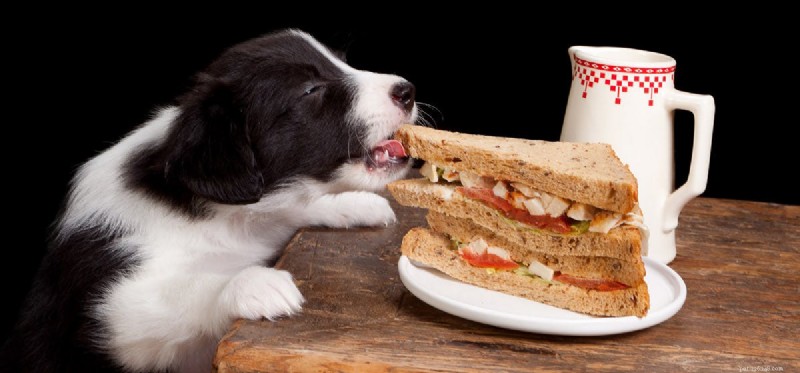
Signs of a healthy dog
One of the most significant challenges for owners is knowing when your dog is not well. Your dog can not communicate this with words. It will be up to you to notice the disposition and energy level of your dog, to check their stool and dietary intake and to watch for signs that your dog is just not their usual self. Once you do have suspicion there is something wrong, it will be up to you to make needed adjustments to care for your pet and consult with your veterinarian on the best ways to handle your dog's health concerns.
How do dogs taste?

When it comes to taste, humans have more sensation than dogs. The human has about 9000 taste buds. The dog has about 1700 taste buds. Dogs are able to taste foods in the same categories as humans. They can taste sweet, sour, bitter and salty. Dogs are sensitive to salt and should not be exposed to much at all. This is because a large part of their diet is based on meat, which is naturally salty. To offset the salt, they have unique receptors for water located at the tip of the tongue. About seventy percent of a dog's body is comprised of water. They have strong needs for fresh water consumption. When it comes to taste, they prefer meaty and sweet flavors. They will eat some fruits and vegetables in the wild. It is acceptable to allow your dog an occasional treat such as carrots. When it comes to taste, your dog will prefer stinky, meaty and sweet. Sounds like a good time, doesn't it?
Know what is and is not safe for your dog to eat
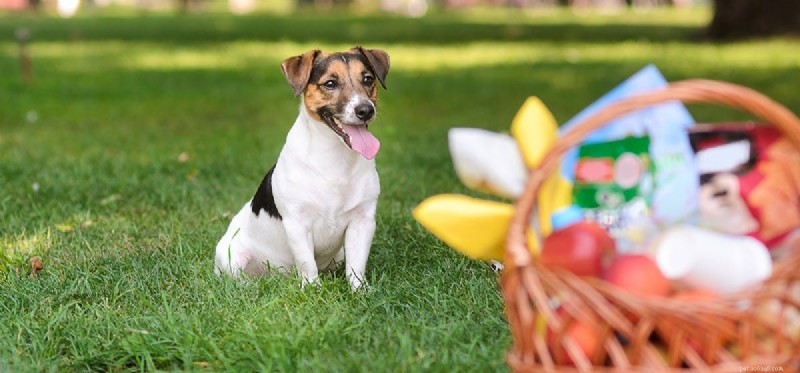
Zingy foods are likely to have strong spices that give them that tickle and burn we experience in our mouths. Your dog's metabolism is different from your human body. There are a number of foods that are perfectly safe for people to eat but they are harmful, if not potentially deadly to a dog. There are foods your dog should never have. These include the following:
Chocolate and Caffeine - The darker the chocolate, the more dangerous it is for your dog. They contain a higher concentration of caffeine and theobromine, both of which cause toxicosis in dogs.
Grapes and Raisins - The grape and raisin can cause kidney failure. Watch for frequent urination, fever, and dehydration.
Alcohol and Bread Dough - Signs of intoxication include vomiting, disorientation, high temperature, restlessness, tremors, and failure of the organ systems.
Xylitol - This is an artificial sweetener found in diet foods and drinks. It can also be found in toothpaste, chewing gum, mouthwash, chewable vitamins and cough drops. The substance will cause a drop in your dog's blood sugar level as well as liver damage.
Other foods to avoid include dairy products, avocado, apples, uncooked meats, and bones.
When it comes to the zingy foods, the spices that are going to be seriously dangerous include garlic and onions. Anything in the onion family is toxic to dogs. They cause gastroenteritis, anemia and serious damage to the red blood cells. Signs of the poisoning may not appear for a few days. You may see orange or red-tinged urine and notice your dog behaving lethargically.
The bottom line is this - don't share your zingy food with your dog.
Teach your dog to eat
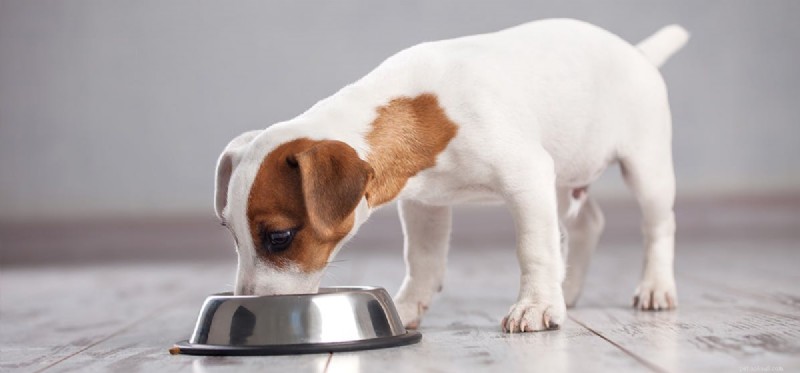
People need to learn how to eat. So do dogs. Just as humans should eat at regular times with controlled portions, so should the dog. Set up good habits by teaching your dog how to eat.
First, feed your dog from a bowl. Keep the bowl clean. Do not free feed the dog. Set up designated times to eat. Establish the appropriate amount of food for your dog. This will vary by your dog's age, size, and activity level. Place the food in the bowl. Place the bowl in the space designated for feeding the dog. Leave the dish for about 20 minutes. If the dog does not eat, do not leave the bowl sitting out. Remove the bowl. When it is time for the next meal, repeat the process. Your dog will quickly learn to eat when food is presented. If your dog eats half of what is eaten, then feed the dog half what you had presented in the next meal serving. Offer food twice a day. Your dog will not starve.
Do not make feeding more complicated by feeding at the table or spoiling the dog by sharing your snacks. Remember, a dog is perfectly happy to eat the same thing every day. Keep it simple and consistent for healthy feeding patterns.
- Pet Behavior
- Pet Breeds
- Pet Names
- Pet Adoption
- Pet Training
- Pet Information
- Pet Health
- Adorable Pets
- Dogs
- Do Dogs Enjoy Crunchy Treats? Understanding Their Taste Preferences
- Do Dogs Detect Fat in Food? Exploring Their Taste for Fats
- Do Dogs Enjoy Fermented Foods? Expert Insights on Flavor and Health
- Can Dogs Safely Taste and Tolerate Spicy Food?
- Do Dogs Taste Human Food? What You Need to Know About Their Palates and Health
- Do Dogs Enjoy Wet Food? Understanding Their Taste Preferences
- Can Dogs Safely Eat Stringy Foods? A Guide to Healthy Treats