

Can Dogs Eat Red Peppers? A Professional Guide to Safety and Nutrition
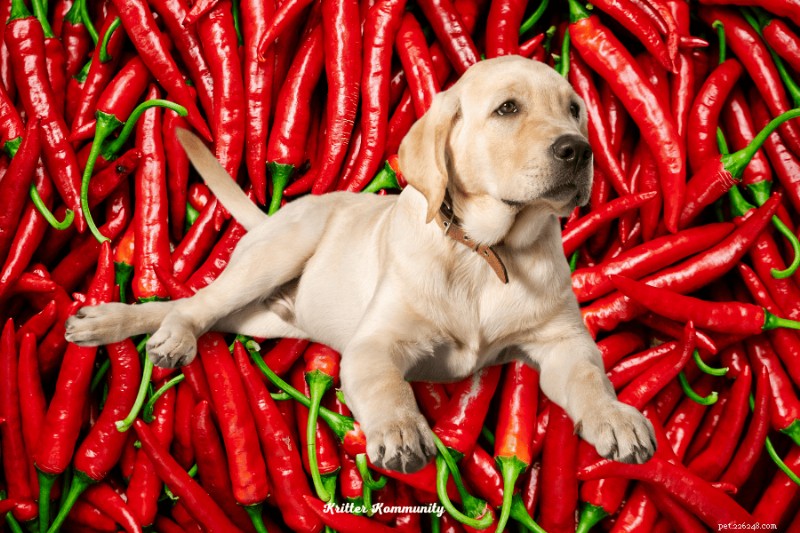
When it comes to feeding your dog, not all human foods are created equal. Some are perfectly safe and even beneficial, while others should be avoided at all costs. So, what about red peppers? Can dogs enjoy these colorful veggies? This post is all about, can dogs eat red peppers?
Can Dogs Eat Red Peppers?
The answer is yes—but there are some important details to keep in mind. Let’s dive into everything you need to know about feeding red peppers to your pup, from their nutritional benefits to how to serve them safely.
Are Red Peppers Safe for Dogs? 🐾
Yes, dogs can eat red peppers!
These vibrant vegetables are not only safe but also packed with nutrients that can benefit your dog’s health. However, like any new food, it’s essential to introduce red peppers gradually and in moderation to avoid upsetting your dog’s stomach.
The Nutritional Benefits of Red Peppers for Dogs 🥗
Red peppers are more than just a crunchy snack—they’re a powerhouse of nutrients that can contribute to your dog’s overall well-being. Here are some of the key benefits of red peppers for dogs:

Rich in Vitamins
- Vitamin C: Boosts the immune system and helps protect cells from damage.
- Vitamin A: Supports healthy vision, skin, and coat.
- Vitamin E: Promotes a strong immune system and healthy skin.
Packed with Antioxidants
Red peppers contain antioxidants, such as beta-carotene, which can help reduce inflammation and support overall health.
Low in Calories
For dogs watching their weight, red peppers are an excellent low-calorie treat that adds variety to their diet.
How to Serve Red Peppers to Dogs 🍴
While red peppers are safe, there are a few guidelines to follow to ensure they’re prepared in a way that’s easy for your dog to enjoy.
Tips for Preparing Red Peppers:
- Wash Them Thoroughly: Rinse red peppers to remove any pesticides or contaminants.
- Remove Seeds and Stem: These parts can be tough for dogs to digest and don’t offer any nutritional value.
- Chop into Small Pieces: Cutting the pepper into small, bite-sized pieces helps prevent choking.
- Serve Raw or Cooked: Both raw and cooked red peppers are fine for dogs, but cooked peppers might be easier for some dogs to chew and digest.
What to Avoid:
- Seasonings and Spices: Plain peppers are best. Never add salt, garlic, onions, or any spices that could harm your dog.
- Oily or Fried Peppers: These can upset your dog’s stomach and add unnecessary calories.
How Much Red Pepper Can Dogs Eat? 🐶
Moderation is key when introducing any new food to your dog’s diet. While red peppers are healthy, too much can lead to digestive upset. The appropriate amount depends on your dog’s size:
IRIS USA Dog Food Storage Container, 30 lbs & 11 lbs Combo, Cat Food Storage Container, Dog Treat Container, Airtight, Stackable, 2-Cup Scoop, Wheels, Easy Mobility, Black
Buy Now
We earn a commission if you make a purchase, at no additional cost to you.
02/22/2025 02:03 pm GMT
- Small Dogs: A couple of small slices.
- Medium Dogs: A few slices or a quarter of a pepper.
- Large Dogs: Up to half a red pepper.
Keep an eye on your dog after introducing red peppers for the first time. If they show any signs of discomfort, such as diarrhea or vomiting, it’s best to discontinue and consult your vet.
Are Other Types of Peppers Safe for Dogs? 🌶️
While red peppers are safe, not all peppers are created equal. Here’s a quick breakdown of other common peppers and whether they’re suitable for dogs:
- Green, Yellow, and Orange Peppers: These are safe for dogs and offer similar nutritional benefits, but red peppers are the most nutrient-rich.
- Spicy Peppers (e.g., Jalapeños, Chili Peppers): These are a no-go for dogs. The capsaicin in spicy peppers can irritate their stomach and cause discomfort.
Benefits of Adding Red Peppers to Your Dog’s Diet 🌟
Including red peppers in your dog’s diet occasionally can provide a variety of benefits. Here’s why they’re a great addition:
- Boosts Immunity: Thanks to high levels of vitamins and antioxidants.
- Promotes a Shiny Coat: Vitamin A and beta-carotene contribute to healthy skin and a glossy coat.
- Supports Eye Health: Beta-carotene is converted to vitamin A, which is crucial for maintaining good vision.
Signs Your Dog Might Not Tolerate Red Peppers 🚨
Even though red peppers are generally safe, every dog is different. Some dogs may have trouble digesting this vegetable. Watch out for these signs:
- Diarrhea
- Vomiting
- Excessive gas
- Loss of appetite
If you notice any of these symptoms, stop feeding red peppers and consult your vet for advice.
Fun Ways to Serve Red Peppers to Your Dog 🥳
Red peppers can be served as a standalone treat or mixed with other foods to create a balanced snack. Here are some fun ideas:
- As a Training Treat: Use small pieces of raw red pepper during training sessions.
- Mixed in Their Meal: Add finely chopped red pepper to your dog’s regular food for an extra burst of nutrients.
- Blended Into a Smoothie: Blend red peppers with other dog-safe veggies like carrots and cucumber for a refreshing treat on hot days.
Final Thoughts: Can Dogs Eat Red Peppers? 🌶️🐕
The bottom line is that red peppers are a safe and nutritious treat for dogs when served properly. They’re a great way to add variety to your dog’s diet while providing essential vitamins and antioxidants. Just remember to keep it simple—no spices, oils, or extras—and always serve them in moderation.
As with any new food, start small and observe how your dog reacts. If they enjoy red peppers and tolerate them well, you’ve found a colorful and crunchy snack that benefits their health. So, the next time you’re chopping up veggies, feel free to toss a piece of red pepper to your pup!
- Pet Behavior
- Pet Breeds
- Pet Names
- Pet Adoption
- Pet Training
- Pet Information
- Pet Health
- Adorable Pets
- Dogs
- Why Does My Cat Growl? Signs, Causes, and How to Respond
- Master Cat Recall: Simple Steps to Make Your Cat Come When You Call
- Breeding Ruby Cichlids: Expert Tips for Success
- Detecting Canine Cancer Early: Key Warning Signs for Pet Owners
- How to Prepare Your Home for a New Pet: A Comprehensive Guide
- Pet Insurance 101: Protect Your Pet & Your Wallet
- The Ultimate Gerbil Care Guide: Housing, Diet, and Health