

Is Cheese Safe for Dogs? A Guide to Healthy Treats


You’re sitting on the couch, savoring a slice of cheese, and suddenly, there it is: the stare. Your dog’s eyes are laser-focused on your snack, their tail thumping in hopeful anticipation. Maybe you’ve even had the experience of accidentally dropping a piece of cheese, only to see it vanish faster than you can say “sharp cheddar.” But, can dogs eat cheese? Let’s dive into this delightfully cheesy topic. This post is all about can dogs eat cheese.
Can Dogs Eat Cheese?
Yes, most dogs can eat cheese, but it’s not quite that simple.
There are a few caveats to consider, because as you probably know, not all foods that are okay for us are great for our canine companions.

And while cheese can be an irresistible treat for your dog, it comes with a few rules. Let’s break it down.
Why Dogs Love Cheese (And Why You Should Be Careful)
First off, it’s no surprise that dogs love cheese. It’s rich, creamy, and has a strong smell that’s basically a beacon for curious snouts.
Cheese also contains proteins and calcium, which are good in moderation. But—there’s always a but—there are a few things to keep in mind.
- Lactose Intolerance: Just like some people, dogs can be lactose intolerant. Cheese is lower in lactose than milk, but it can still upset a sensitive stomach. If your dog gets gas, bloating, or diarrhea after a cheesy treat, it’s a sign that they might be lactose intolerant. And let’s be real, nobody wants to deal with that aftermath.
- High Fat Content: Cheese is calorie-dense and high in fat. Feeding your dog too much can lead to weight gain or even pancreatitis, a serious condition that may require veterinary care. So, if your dog is already on the heavier side, think twice before making cheese their go-to treat.
- Salt: Some cheeses are loaded with salt. Foods high in sodium can cause serious issues for dogs, including increased thirst and even sodium poisoning in extreme cases. Always stick to low-sodium options when sharing cheese with your pup.
Safe Cheeses for Dogs
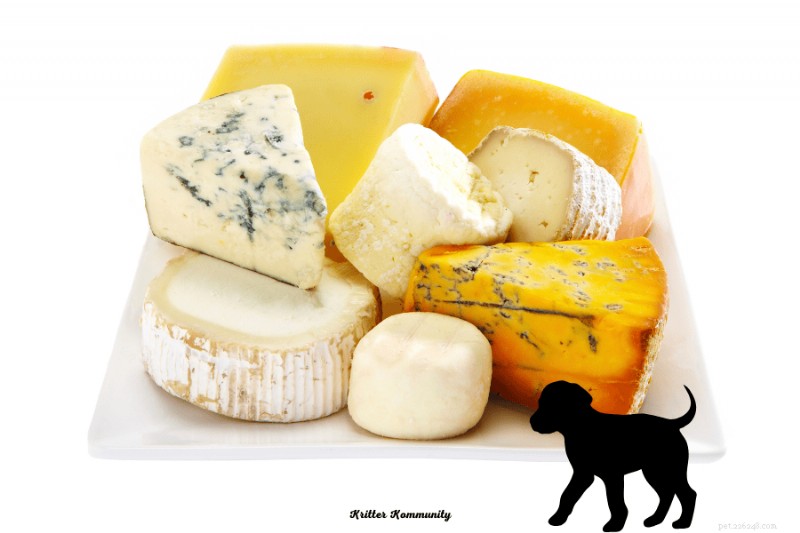
Not all cheeses are created equal. Here are some dog-friendly options:
- Cottage Cheese: It’s low in fat and salt, making it a safer option. Just be sure to serve it plain and in small amounts.
- Mozzarella: This is another low-fat, low-sodium cheese that can be a good choice.
- Cheddar: While higher in fat, it’s generally okay in moderation for most dogs. It’s a common favorite, but portion control is key.
Cheeses to Avoid
- Blue Cheese: This type of cheese contains a substance called roquefortine C, which can be toxic to dogs if ingested in large amounts.
- Cheese with Additives: Stay away from cheeses that contain onions, garlic, chives, or other seasonings, as these ingredients are toxic to dogs.
- Goat Cheese, Brie, and Feta: These are higher in fat and should be avoided to prevent gastrointestinal upset or weight gain.
Personal Experience: The Cheese Thief
Let me tell you about the time I found out just how much dogs can love cheese. I was babysitting a pup, the adorable red poodle I get to spoil every now and then.
One day, I made the mistake of leaving a cheese stick unattended for a split second. I turned back around, and Louis was standing there, guilty as ever, with a stick clamped between his teeth. He looked so proud of himself!
Lesson learned: If you’ve got cheese around, make sure it’s out of paw’s reach.
How to Safely Give Cheese to Your Dog
- Start Small: If your dog hasn’t tried cheese before, introduce it slowly and watch for any signs of digestive upset.
- Use It for Training: Cheese can be a high-value treat, perfect for training sessions or hiding pills. Trust me, few dogs will resist doing tricks for a taste of cheddar!
- Moderation Is Key: Cheese should be an occasional treat, not a regular part of your dog’s diet.
Final Verdict: Is Cheese a Yes or a No?
Cheese can be a tasty, motivating treat for dogs, but always consider your dog’s individual health and dietary needs. If your dog handles dairy well and isn’t prone to weight gain, a little cheese here and there is probably fine. Just keep an eye out for any negative reactions and choose low-fat, low-sodium varieties when possible.
So, the next time you’re tempted to share a cheesy snack, you can feel a little more confident about whether it’s a good idea or not. Just be prepared for your dog to give you that look every time they hear the fridge open from now on. 🧀🐶
Lisa Illman is the Founder of Kritter Kommunity, LLC. She has a tuxedo adult cat and has had him since he was a baby kitten. Before her cat Finnegan, Lisa had had two FIV-positive cats for over a decade. They inspired Lisa to invent a cat enclosure and a portable catio so they could safely sit outside and enjoy fresh air and sunshine. Lisa had a Poodle and a parakeet growing up. She currently loves to pet-sit for her neighbors’ dogs and cats.

Leave a Reply
Kritter Kategories
Kritter KategoriesKritter Archives
Kritter Archives
Recent Posts
- Pet Behavior
- Pet Breeds
- Pet Names
- Pet Adoption
- Pet Training
- Pet Information
- Pet Health
- Adorable Pets
- Dogs
- Complete Reptile Diet Guide: What Foods Do They Eat?
- Top 25 Dog Breeds: The Most Adorable and Pet-Friendly Choices
- Understanding Squamous Cell Carcinoma in Pets: Signs, Prevention, and Care
- Tax Deductions for Pet Adoption Fees: What You Need to Know
- Understanding a Bloated Dog: Signs, Causes, and Urgent GDV Treatment
- 5 Key Benefits of Using CBD for Your Dog
- Polydactyl Cats Explained: 7 Key Facts About Their Extra Toes