

Understanding Feline Hyperesthesia Syndrome: A Comprehensive Guide for Cat Parents
Cats are mysterious, graceful animals, but sometimes their behavior can seem puzzling or even concerning. One condition that often confuses and worries cat owners is Feline Hyperesthesia Syndrome (FHS). Also known as feline hyperaesthesia, twitchy cat disease, or rolling skin disease, FHS is a rare neurological condition causing extreme sensitivity and behavioral episodes, often along the back. Cats with this condition may suddenly twitch, ripple their skin, chase their tails, or react as if something is attacking them when nothing is there (de Lorimier, 2003).
Although the condition is relatively rare, it can be distressing both for cats and for the people who care for them. FHS is a complex and poorly understood syndrome that can affect domestic cats of any age, breed, and sex. Understanding what feline hyperesthesia is, what causes it, and how it can be managed is the first step toward helping affected cats live comfortable lives.
This article will explore feline hyperesthesia syndrome in depth, including symptoms, potential causes, diagnosis, treatment options, and how owners can support their cats at home. Management focuses on strategies to improve quality of life and reduce discomfort for affected cats (Hunt, 2025).
What Is Feline Hyperesthesia Syndrome?
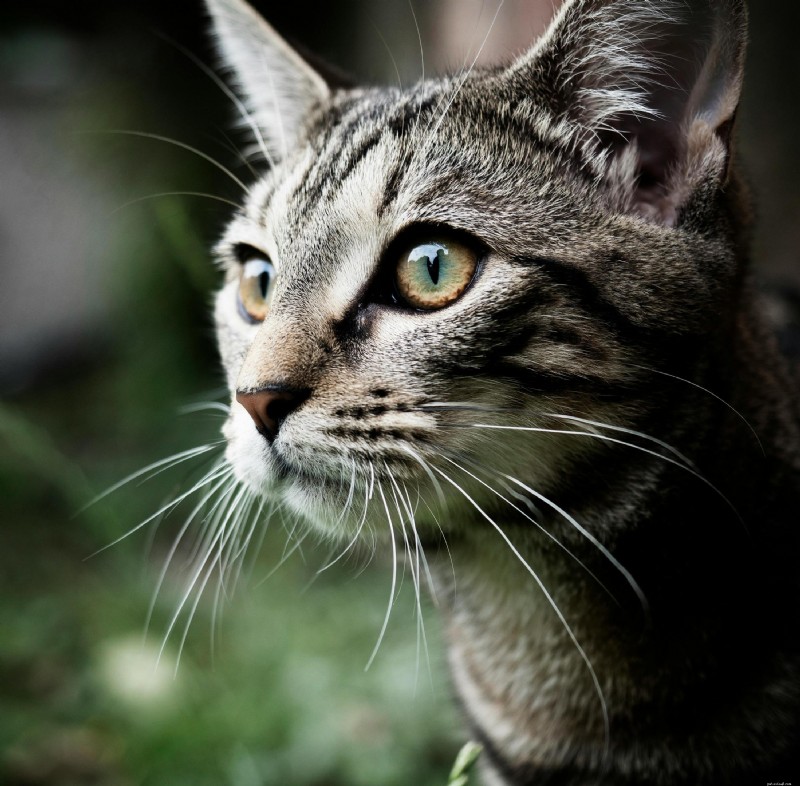
Feline Hyperesthesia Syndrome (FHS) is a neurological condition that affects a cat’s skin sensitivity and behavior. The word hyperesthesia literally means abnormally increased sensitivity, particularly of the skin.
The clinical signs of FHS include sudden episodes of discomfort or agitation. During these episodes, their skin, especially along the back, may ripple or twitch, and they may behave as if something painful or irritating is happening.
FHS is sometimes referred to by several other names, including:
-
Rolling Skin Syndrome
-
Twitchy Cat Syndrome
-
Rippling Skin Disorder
-
Psychomotor Epilepsy in Cats
These names describe different aspects of the condition, but they all refer to the same cluster of symptoms. Feline hyperesthesia syndrome affects the endocrine, nervous, neuromuscular, and exocrine systems.
Episodes can last anywhere from a few seconds to several minutes, and they may happen occasionally or multiple times per day depending on the individual cat.
Clinical Signs of Feline Hyperesthesia
The signs of feline hyperesthesia can vary widely from cat to cat, but several symptoms are commonly reported. Many of these behaviors and clinical signs are similar to those seen in other feline health disorders, making diagnosis challenging due to the presence of similar clinical signs.
1. Rippling Skin Along the Back
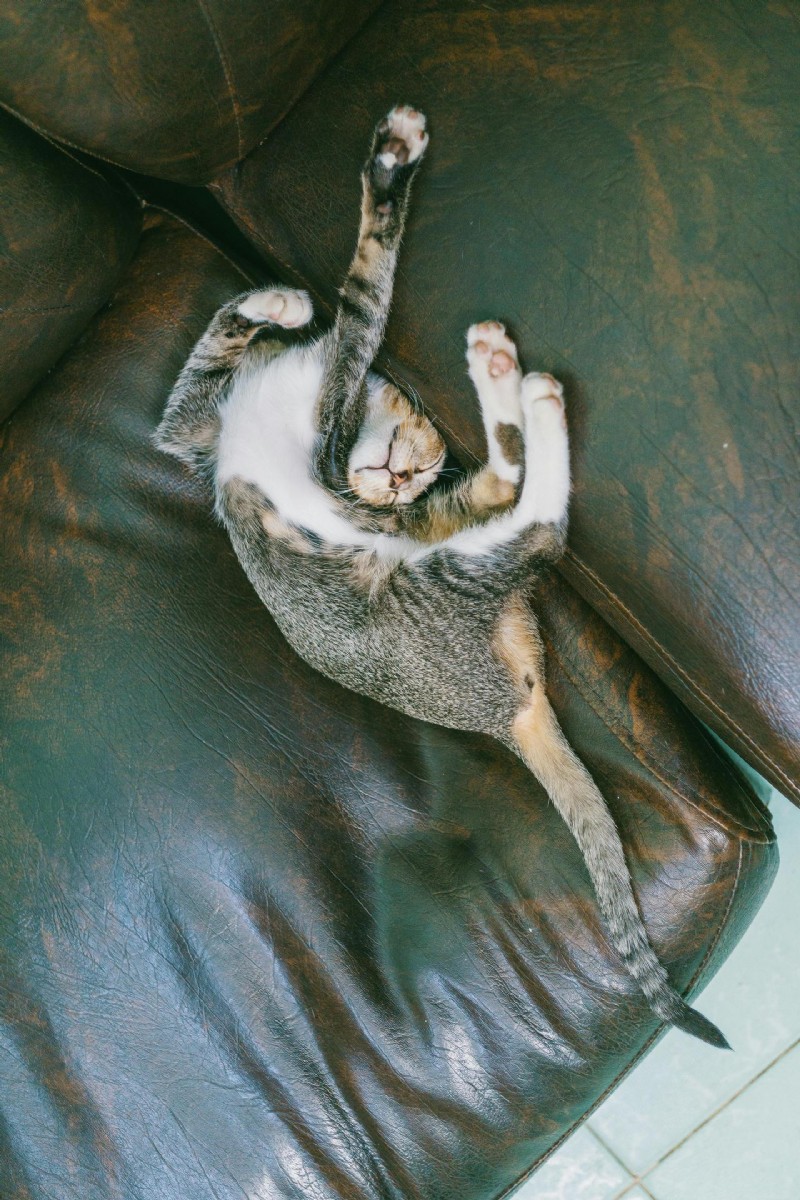
One of the hallmark signs of the condition is rippling or twitching of the skin, particularly along the cat’s back near the base of the tail. This area, known as the lumbar region, often exhibits extreme sensitivity, which is a core symptom of feline hyperesthesia syndrome. The skin may appear to move in waves without the cat intentionally moving its muscles.
Many owners first notice this symptom when petting their cat. The skin may twitch suddenly, and the cat may react strongly (sometimes even biting) or abruptly run away.
2. Sudden Episodes of Agitation
Cats with hyperesthesia may suddenly act restless or panicked. They might dash around the house, jump suddenly as if startled, hide or seek attention, vocalize loudly or exhibit wild running, characterized by frantic, uncontrolled movement.
These episodes can appear to come out of nowhere. Affected cats may also appear to be in a trance like state or experience hallucinations during episodes.
3. Excessive Grooming or Biting
Many cats with FHS obsessively groom or bite the area near their tail or along their back, often displaying compulsive grooming. This behavior may become intense enough to cause hair loss, skin irritation, open wounds or self mutilation (Amengual et al., 2019). Additionally, drooling and tiredness can also be symptoms during or after episodes. Because of this signs, hyperesthesia can sometimes be mistaken for a skin condition or flea allergy.
4. Tail Chasing
Some cats chase or attack their own tail during episodes. This behavior can look playful at first but may become aggressive or frantic. In severe cases, tail chasing and self-mutilation can lead to tail fractures.
5. Dilated Pupils and Intense Staring
During episodes, cats may have wide, dilated pupils and appear hyper-alert. Their behavior may resemble a fight-or-flight response.
6. Sensitivity to Touch
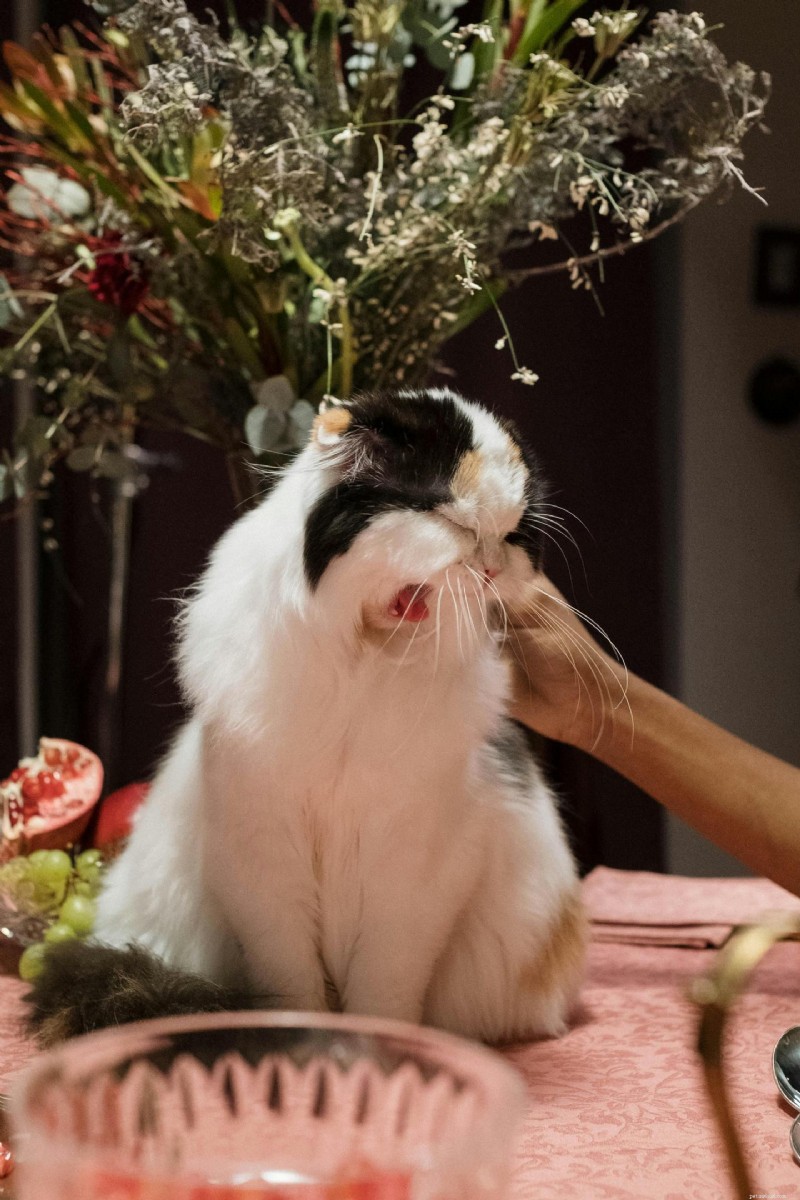
Cats with hyperesthesia often dislike being touched in certain areas, especially along the spine. Petting the back may trigger an episode or cause the cat to react defensively. During these episodes, muscle spasms may also occur in the affected area.
7. Seizure-Like Behavior
In severe cases, episodes may resemble mild seizures. Some cats may drool, lose coordination, collapse briefly or even become disoriented afterward.
Not all cats experience these symptoms, but when they occur they can make the condition particularly alarming.
What Causes Feline Hyperesthesia?
One of the biggest challenges with feline hyperesthesia syndrome is that its exact cause is still unknown. The underlying cause of FHS is highly disputed, largely due to the unknown pathophysiology of the syndrome and the variation in responses to different treatment methods. Veterinarians believe the condition likely involves several possible factors.
Some experts suggest that environmental factors, such as stress, injuries, or changes in the cat’s surroundings, may play a significant role in triggering hyperesthesia. Injury could be a predisposing factor for feline hyperesthesia syndrome, as it may increase stress and anxiety in cats. Additionally, episodes of feline hyperesthesia syndrome may be triggered by both endogenous (internal) and exogenous (external) environmental factors. Identifying the underlying cause (whether neurological, dermatological, or behavioral) is essential for effective management and treatment. Recognizing what triggers hyperesthesia in each individual cat is important for managing the syndrome.
Neurological Issues
Many experts believe FHS may be related to abnormalities in the nervous system. Some experts suggest that epileptic seizures and other neurologic conditions may underlie FHS. Episodes can include signs such as vocalization, disorientation, and abnormal behavior. Because some episodes resemble partial seizures, there may be abnormal electrical activity in the brain. Additionally, neuropathic pain could also contribute to the syndrome.
This is why some veterinarians treat the condition with medications typically used for seizure disorders.
Obsessive-Compulsive Behavior
Another theory suggests hyperesthesia may be related to compulsive behavioral disorders, with obsessive compulsive disorder (OCD) considered a potential behavioral cause or comorbidity in cats with FHS. Cats under stress sometimes develop repetitive behaviors such as excessive grooming or tail chasing.
In this view, the neurological signs may be connected to anxiety or stress triggers.
Skin or Nerve Sensitivity
Some researchers suspect that hyperesthesia could involve hypersensitive nerve endings in the skin. Even mild touch or stimulation might cause an exaggerated reaction. Maladaptive pain from prior trauma may also contribute to abnormal nerve responses in affected cats.
Additionally, skin inflammation and skin problems such as allergies or infections should be considered as possible contributors, as these dermatological issues can trigger or worsen symptoms of feline hyperesthesia syndrome.
This may explain why many cats react strongly when touched along the spine.
Stress and Environmental Triggers
Stress appears to play a role in many cases. Changes in the household, likes new pets, moving homes, or schedule changes, may increase the frequency of episodes. If a cat's anxiety is increasd, it can exacerbate hyperesthesia episodes.
Cats thrive on routine, and disruptions can trigger unusual behaviors in sensitive individuals. Managing the cat's environment by minimizing stressors and providing a safe space are important steps to help reduce stress and prevent episodes.
Breed Predisposition
Certain breeds appear more prone to feline hyperesthesia, including:
-
Siamese
-
Burmese
-
Abyssinian
-
Persian
While any cat can develop the condition, feline hyperesthesia syndrome is found more frequently in Abyssinian, Burmese, Persian, and Siamese cats. FHS is also more common in younger cats, typically between one and five years old.
How Veterinarians Diagnose Hyperesthesia
Diagnosing feline hyperesthesia can be challenging because there is no single test that confirms it. An integrated multidisciplinary diagnostic approach is often necessary to accurately diagnose FHS, as many conditions have similar clinical signs, making diagnosis challenging. Veterinarians must rule out other possible causes such as arthritis, skin problems, injuries, or neurological issues before confirming FHS. Achieving a definitive diagnosis is often difficult due to symptom overlap and the unknown pathophysiology of the syndrome.
FHS is diagnosed by excluding other conditions such as skin infections, parasites, and neurological diseases.
This process is called diagnosis by exclusion.
Conditions That Must Be Ruled Out
Before diagnosing FHS, veterinarians often check for:
-
Flea infestations
-
Flea allergy dermatitis
-
Skin infections
-
Skin disease
-
Skin conditions (such as allergies, fungal infections, and dermatitis)
-
Food allergies
-
Spinal injuries
-
Spinal arthritis
-
Arthritis
-
Neurological disorders
-
Seizure disorders
These conditions can cause symptoms similar to hyperesthesia.
Veterinary Tests
A veterinarian may recommend:
-
Skin examinations
-
Skin scrapings
-
Blood tests
-
Allergy testing
-
X-rays or imaging
-
Neurological exams
Expertise in veterinary internal medicine and feline medicine is often required for complex cases of feline hyperesthesia syndrome to ensure accurate diagnosis and management.
If these tests do not reveal another cause, and the symptoms match the typical pattern, a diagnosis of feline hyperesthesia may be made.
Treatment Options for Feline Hyperesthesia
Because the condition has multiple possible causes, treatment often focuses on managing symptoms rather than curing the condition. Various treatment methods are used for feline hyperesthesia syndrome, including behavioral modification, medication, and sometimes alternative therapies, depending on the suspected underlying cause. The primary goals of treatment are to reduce discomfort and improve quality of life for affected cats.
Treatment often involves a combination of behavioral modification and medication. Many cats respond well to a combination of medical and environmental treatments. Long term management may be necessary, requiring ongoing veterinary care and adjustments to the treatment plan based on the cat's response (Hirsch, 2025), as cats with feline hyperesthesia syndrome may require lifelong management to prevent recurrence of episodes.
Anti-Seizure Medications
If neurological activity is suspected, veterinarians may prescribe medications used to control seizures.
These medications can reduce the frequency and severity of episodes in some cats.
Anti-Anxiety or Behavioral Medications
If stress or compulsive behavior is contributing to the condition, medications that reduce anxiety may be recommended.
These treatments can help calm the nervous system and stabilize behavior.
Pain Management
In cases where nerve pain or spinal sensitivity may be involved, veterinarians may prescribe medications that reduce nerve related pain. Additionally, it is important to manage itching to reduce overgrooming and self mutilation behaviors. Controlling skin irritation can significantly alleviate discomfort and improve the cat's quality of life.
Anti-Inflammatory Treatments
Sometimes inflammation of nerves or skin may play a role, and anti inflammatory treatments may provide relief.
Environmental Enrichment
Improving a cat’s environment can significantly reduce stress, which may decrease the frequency of hyperesthesia episodes. Environmental factors, such as stress, injuries, or changes in the household, can trigger or exacerbate feline hyperesthesia syndrome (FHS). Therefore, it is important to minimize stress and maintain a calm environment, as well as avoid known triggers (Pauciulo et al., 2025).
Helpful strategies include:
-
Interactive play sessions
-
Puzzle feeders
-
Consistent daily routines (establishing a routine provides stability and helps manage FHS)
-
Quiet resting spaces
-
Vertical climbing areas
-
Creating a more stimulating environment to reduce boredom and stress
Keeping cats mentally stimulated and physically active can reduce anxiety related behaviors.
Managing Hyperesthesia at Home
Owners play a major role in helping cats with feline hyperesthesia live comfortable lives. Long term management is often required, and regular veterinary check-ups are essential to monitor the condition and adapt treatment as needed (Hunt, 2025).
Reduce Stress
Stress management is often one of the most important aspects of care.
Helpful strategies include:
-
Keeping feeding times consistent
-
Maintaining predictable daily routines
-
Avoiding sudden environmental changes when possible
-
Providing safe hiding spaces
-
Creating a safe space for your cat
-
Optimizing the cat's environment to reduce stress, such as establishing a calm area and minimizing loud noises
Using pheromone diffusers may help create a more relaxing environment for cats with feline hyperesthesia syndrome.
Cats that feel secure tend to experience fewer behavioral episodes.
Monitor Triggers
Some cats have identifiable triggers for hyperesthesia episodes. These may include overstimulation from petting, loud noises, changes in the home environment and conflicts with other pets.
Tracking when episodes occur may help identify patterns.
Adjust Petting Habits
Because many cats with FHS are sensitive along their backs, owners may need to avoid petting these areas. Instead, try focusing on areas many cats enjoy, such as chin, behind the ears or cheeks.
Protect the Skin
If a cat bites or scratches its skin during episodes, it may develop sores or infections. Preventing injuries is important.
Veterinarians may recommend soft protective collars, topical treatments and monitoring grooming behavior.
Provide Regular Exercise
Regular play can help release excess energy and reduce anxiety.
Interactive toys such as wand toys, laser pointers (used carefully), or puzzle feeders can keep cats mentally stimulated.
When to See a Veterinarian
Because hyperesthesia symptoms can resemble other medical conditions, owners should always seek veterinary advice if they notice unusual behavior. Only a veterinarian can accurately diagnose hyperesthesia and determine the best course of treatment.
You should contact a veterinarian if your cat suddenly begins biting or attacking its tail, shows rippling skin episodes, develops hair loss or skin wounds, has seizure-like behavior, shows signs of severe distress or begins to self mutilate.
Early veterinary evaluation ensures that more serious conditions are not overlooked.
Long Term Management Outlook for Twitchy Cats
The good news is that many cats with feline hyperesthesia can live normal, happy lives with proper management. However, long-term management is often necessary to improve quality of life for affected cats.
Some cats experience only occasional episodes, while others require long-term medication or lifestyle adjustments.
With a combination of veterinary care, stress management, environmental enrichment and the monitoring of symptoms most cats can maintain good quality of life.
Owners who understand the condition are better equipped to recognize episodes and respond calmly.
Feline Hyperesthesia Syndrome can be confusing and alarming for cat owners. The sudden twitching, frantic behavior, and skin sensitivity can make it seem as though something serious is happening.
Although the condition is not fully understood, research and veterinary experience have helped develop effective ways to manage it. A retrospective study examining seven cases of feline hyperesthesia syndrome provided valuable insights into the clinical presentation and diagnostic challenges of FHS. With the right combination of medical care and environmental support, many cats with hyperesthesia can live comfortable and fulfilling lives (McPeake et al., 2025).
If you suspect your cat may have symptoms of hyperesthesia, the best step is to consult a veterinarian who can rule out other conditions and develop a personalized treatment plan.
Understanding your cat’s behavior and creating a calm, enriched environment can make a significant difference in managing this unusual but manageable condition.
References
Amengual Batle, P., Rusbridge, C., Nuttall, T., Heath, S., & Marioni-Henry, K. (2019). Feline hyperaesthesia syndrome with self-trauma to the tail: retrospective study of seven cases and proposal for an integrated multidisciplinary diagnostic approach. Journal of feline medicine and surgery, 21(2), 178-185.
Hirsch, D. A. (2025). Multimodal Treatment of Feline Hyperesthesia Syndrome Incorporating Myofascial Release, Spinal Manipulation and Craniosacral Techniques with Traditional Chinese Veterinary Medicine: Case Report. American Journal of Traditional Chinese Veterinary Medicine, 20(1).
Hunt, T. A. (2025). Feline Hyperesthesia Syndrome as a Model of Neurobehavioral Dysregulation: Integrating Medical, Environmental, and Cognitive-Behavioral Therapy.
Louis-Philippe de Lorimier, D. V. M. (2003). Feline Hyperesthesia Syndrome. controlled clinical trials, 25, 81-104.
McPeake, K. J., Peregrin, M., Hepple, A., & Gunn‐Moore, D. (2025). Scent as a trigger of feline hyperaesthesia syndrome. Veterinary Record Case Reports, 13(1), e1059.
Pauciulo, C., Uccheddu, S., Corda, A., Biggio, F., Corlazzoli, D. S., Menchetti, M., & Gallucci, A. (2025). Long‐Term Clinical Response to Medical Treatment, Behavioral Therapy, or Their Combination in Cats With Hyperesthesia Syndrome. Journal of Veterinary Internal Medicine, 39(4), e70174.
- Pet Behavior
- Pet Breeds
- Pet Names
- Pet Adoption
- Pet Training
- Pet Information
- Pet Health
- Adorable Pets
- Dogs
- How Fear Drives Aggression in Dogs: A Comprehensive Guide
- Cat Outwits Burglars in Quirky Home Alone Remake – A Must-See Holiday Short
- The Ultimate Cat Lover Gift Guide – 2016 Edition
- Small Dog Syndrome: Understanding and Managing Overbearing Behaviors
- Find Trusted Flemish Giant Rabbit Breeders in Canada – 2022 List
- Optimal Feeding Schedule for 4‑Week‑Old Puppies
- Understanding the Causes of Dizziness in Dogs