

The Ultimate Guide to the Best Bowls for Raw Dog Food
This article may contain affiliate links. We may earn commissions when you purchase through the links.
Choosing the right bowl for raw dog food is essential for your pet’s health and safety. Below, I break down the five key criteria that define the best bowls, and I share my top picks that have worked for my own dogs since 2015.
Hi, I’m Barbara, a seasoned raw‑food advocate and the founder of K9sOverCoffee. I’ve been feeding my Boxer mix, Feist mix, and other breeds a combination of pre‑made and homemade raw meals, and I’ve tested dozens of bowls to find the ones that truly meet my dogs’ needs.
5 Criteria for Choosing Raw‑Food Bowls
When evaluating a bowl, consider whether it meets the following standards:
1. Durability
A bowl must withstand the wear of chewing, dropping, and exposure to raw meat juices. Look for materials that resist cracking, chipping, and staining. Durable bowls reduce the need for frequent replacements and lower the risk of accidental ingestion of bowl fragments.
2. Ease of Cleaning
Raw meat can leave behind residues that harbor bacteria. Dishwasher‑safe bowls or those that are splash‑free for hand washing are ideal. I prefer bowls that come out sparkling clean after a quick cycle, ensuring my dogs never taste lingering odors.
3. Bacteria‑Resistant Surfaces
Non‑porous materials prevent microscopic pores that can trap food particles and bacteria. Stainless steel, high‑density polyethylene, and food‑grade silicone are top choices because they do not harbor microbes or allergens.
4. Slow‑Feeding Features
Rapid consumption can lead to bloat—a life‑threatening condition. Slow‑feeder bowls or those that can be combined with a slow‑feeder insert encourage chewing and digestion, reducing the risk of gas buildup.
5. Proper Size
A bowl should comfortably hold a single meal plus an extra portion to prevent spills. For large dogs or those that eat whole cuts of meat, larger capacities (32–64 oz) are recommended.
My Top Choice: Stainless Steel Bowls
Stainless steel stands out as the benchmark for raw‑food bowls. It is impervious to bacteria, odor‑free, and dishwasher‑safe. I rely on the Yeti Boomer series for its robust construction and anti‑slip base.
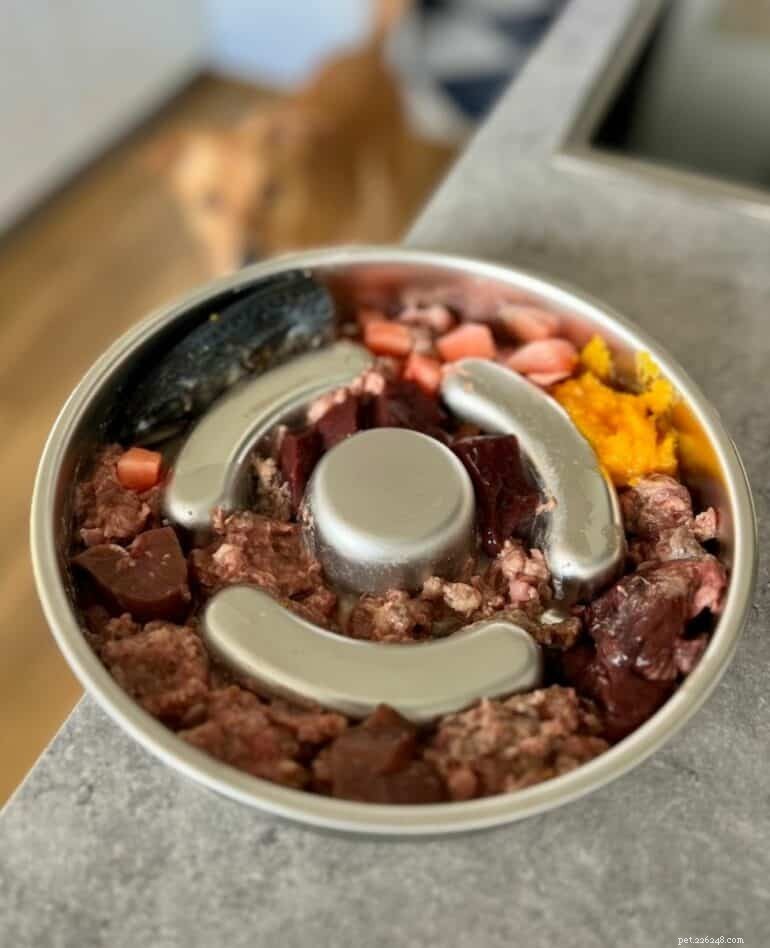
Without built‑in barriers, the Yeti Boomer 4 holds 32 oz, which fits the daily allowance of my 45‑lb Boxer. The 64‑oz Boomer 8 is suitable for larger breeds. Both models are stainless steel, dishwasher‑safe, and come with a silicone ring to prevent tipping.
Alternative Material: BPA‑Free Hard Plastic
For owners who prefer a lighter option, high‑density polyethylene bowls like the Pureness Heavy Weight Large Crock Dish (52 oz) or the Leashboss Heavy‑Duty Plastic (114 oz) are excellent. They are dishwasher‑safe and come with non‑slip bases.
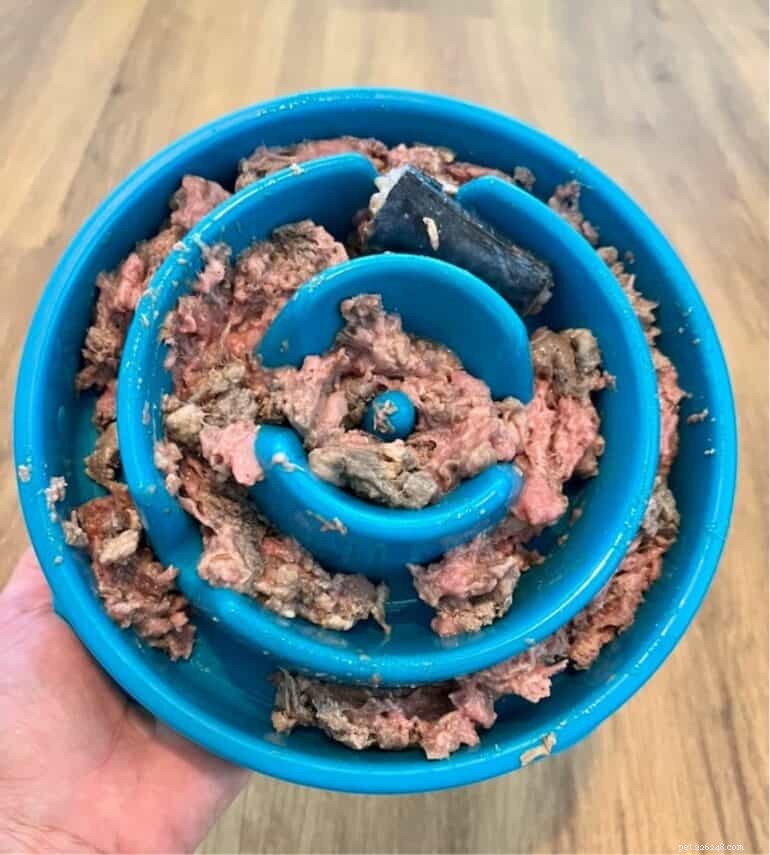
My personal favorite is the Outward Hound Fun Feeder Slo Bowl. It offers built‑in ridges that slow eating and is available in small (¾ cup), medium (2 cups), and large (4 cups) sizes. The medium model is 2 cups, perfect for medium‑sized dogs.
Silicone Inserts for Added Flexibility
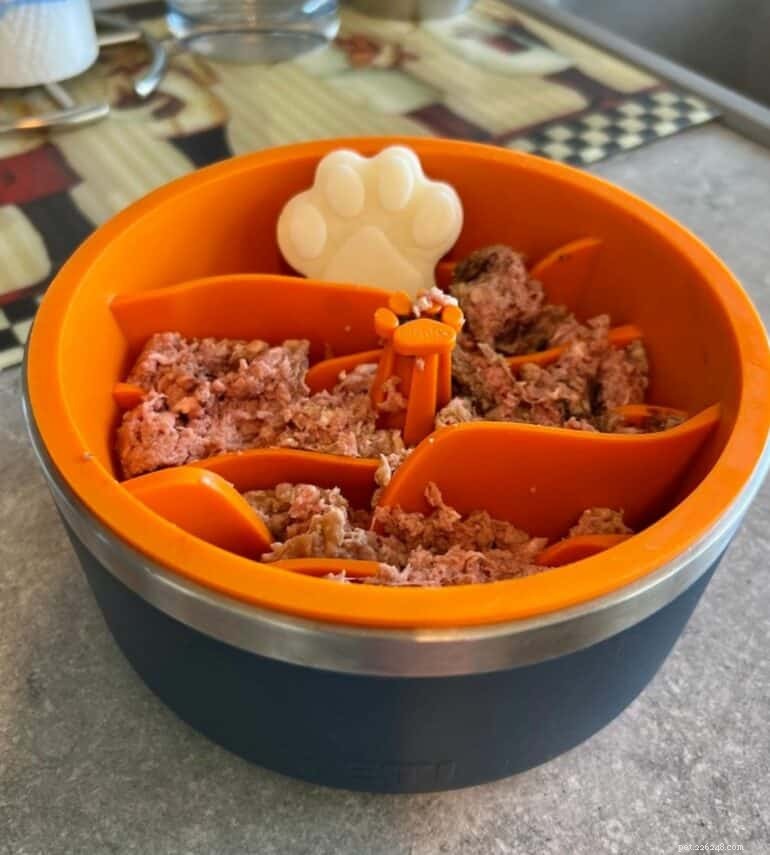
Silicone slow‑feeder inserts, such as the Mighty Paw Slow Feeder, are lightweight, flexible, and dishwasher‑safe. They can be used alone or placed inside a stainless steel bowl for a dual‑layer slow‑feeding experience.
Travel‑Ready Silicone Bowls
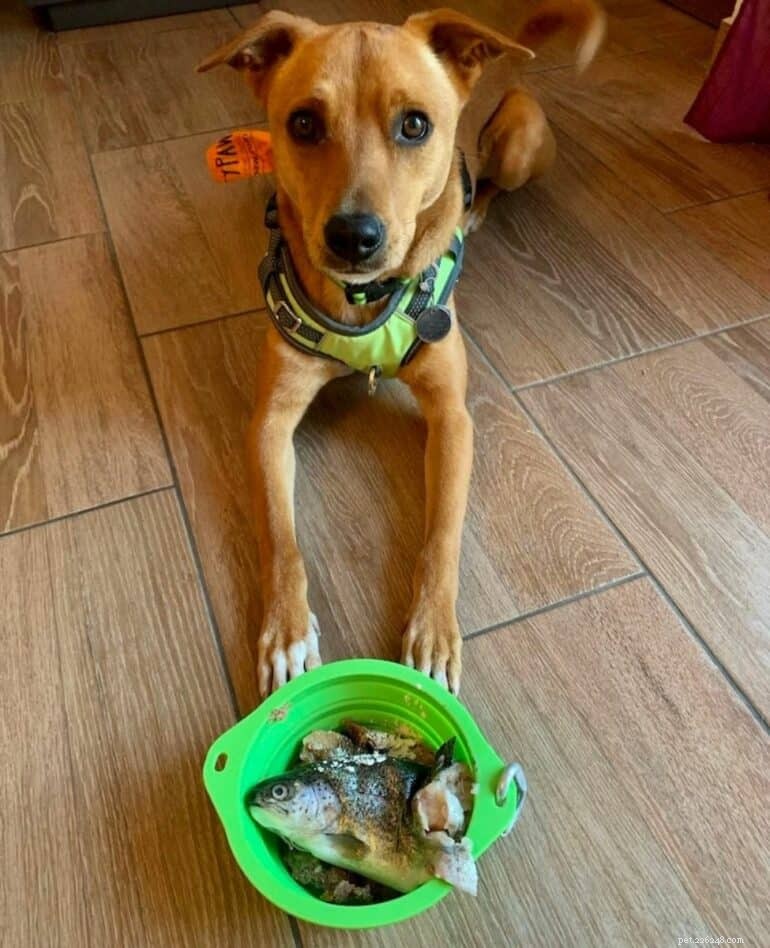
For road trips or outdoor adventures, collapsible silicone bowls from Mighty Paw are convenient. Each bowl holds 27 oz and comes with a carabiner clip for secure attachment to harnesses or gear.
Lead‑Free Ceramic Bowls
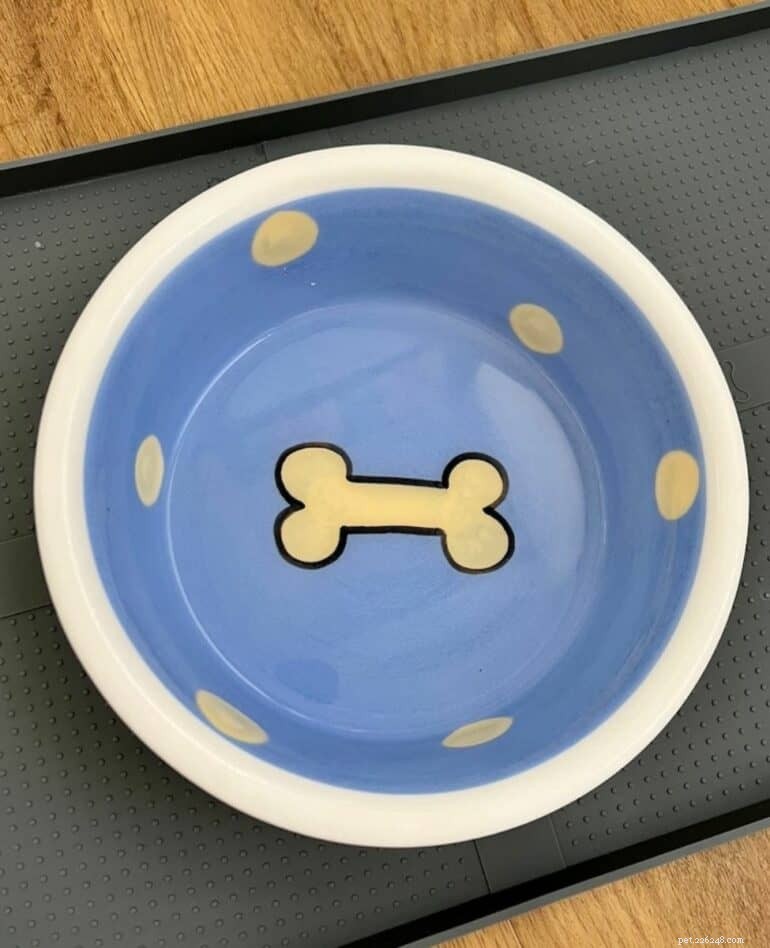
Ceramic bowls offer stability and a non‑porous surface. Ensure the bowl is lead‑free and has a food‑grade glaze to avoid allergen exposure. Brands like LE TAUCI provide maze‑style slow feeders in various colors.
Choosing the Right Bowl for Flat‑Faced Dogs
Dogs with brachycephalic faces (Bulldogs, Boxers, Chow Chows) benefit from bowls with low or slanted edges. Recommended options include:
- AIPERRO Slow Feeder Stainless Steel (4‑cup, 2” height, 9.5” diameter)
- Coldest Dog Stainless Steel Non‑Slip (21 oz, 1.8” height, 7” diameter)
- Enhanced Pet Bowl Stainless Steel Slanted (2.5 cups, 45° angle)
Alternatively, a waterproof feeding mat with a raised edge can eliminate the need for a bowl altogether.
Bottom Line
When selecting a raw‑food bowl, confirm that it is dishwasher‑safe, durable, non‑porous, and appropriately sized. If your dog eats quickly, choose a slow‑feeder model. For flat‑faceted breeds, opt for a low‑edge or angled bowl.
Have a favorite bowl? Share your experience in the comments below.
Related Articles
- My Dog Won’t Eat Dog Food But Will Eat Human Food—What Should I Do?
Top Picks for Puppies
- BEST DOG CHEW – Beef Collagen Sticks (great for chewing behavior).
- BEST PUPPY TOY – Calmeroos Puppy Toy with Heartbeat and Heat Packs (helps ease anxiety).
- BEST DOG TREATS – Crazy Dog Train‑Me Treats (high‑value training treats).
- BEST FRESH DOG FOOD – The Farmer’s Dog (fresh meals, 50% off first order).
Check out our New Puppy Checklist for more tips.
Barbara Rivers
Trilingual dog lover, e‑book author, founder, copywriter, and editor at K9sOverCoffee.
- Pet Behavior
- Pet Breeds
- Pet Names
- Pet Adoption
- Pet Training
- Pet Information
- Pet Health
- Adorable Pets
- Dogs
- How to Care for a Pet Skunk: Health, Diet, and Legal Tips
- Cosequin for Cats Soft Chews – Trusted Joint Health Support from a 25‑Year Industry Leader
- QQPets Dog Collar & Leash Factory to Showcase at Global Pet Expo 2017
- The Hidden Debate: Capturing Grizzly Bears in Yellowstone and Its Conservation Implications
- German Shepherds: Debunking Aggression Myths & Facts
- Lost Your Pet Bird? Proven Steps to Locate & Recover It Safely
- Why Rabbits Remain Quiet: Decoding Their Behavior