

24 Factors That Can Disqualify a Guide Dog — Understanding the Standards
This post may contain affiliate links. We may earn money or products from the companies mentioned in this post.
I just received a letter informing me that Stetson will return to Guide Dogs of America for his formal training in Sylmar, CA.
It’s a bittersweet moment: Stetson is moving on to the next chapter of his life, but it’s also the culmination of a year of hard work and dedication.
I see it as Stetson graduating high school from our home and heading to college at GDA.
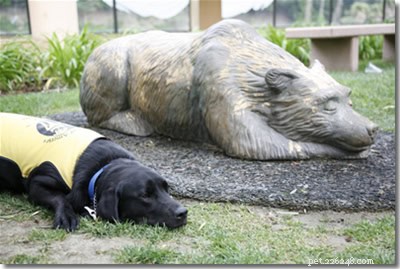
Upon graduation, Stetson will pursue his career as a guide dog. If that path doesn’t work out, he may transition to another role such as a pet, therapy dog, or search‑and‑rescue companion.
Should Stetson return to us as a pet, I will strive to retrain him for therapy work.
While reflecting on Stetson’s upcoming departure, I revisited his puppy manual to identify any last‑minute adjustments needed for “college” readiness.
Causes for Disqualification
To become a reliable mobility aid, a guide dog must meet strict physical and temperamental criteria. Below are the key factors outlined by Guide Dogs of America.
Physical Requirements
Size
- Maximum height of 26 inches
- Minimum height of 20 inches
- Half‑inch allowance at each end for exceptionally well‑behaved dogs or special needs
- Weight proportionate to the dog’s height
Cosmetic Factors
- Visible or large scars that could invite negative public commentary
- Non‑erect ears on a German Shepherd, a breed commonly used by GDA
- Severely undershot or overshot bite
- Missing teeth that interfere with maintaining tongue position
- Any obvious flaw that would be noticeable to the general public for the breeds GDA works with
Temperamental Considerations
Temperament is highly individualized, but several common issues can jeopardize a dog’s training:
- Aggression toward people or extreme fear of people
- Uncontrollable dog aggression
- Uncontrollable distraction or intense interest in animals
- Fearful biting behavior
- General environmental suspicion
- Excessive energy that hampers focus
- Destructive behavior in confined spaces
- Sound shyness or over‑sensitivity to traffic
- Inability to maintain focus in distracting environments
- Over‑sensitivity to pressure during guide work
- Resistance to correction that requires force beyond an average blind person’s capacity
- Lack of willingness to serve as a guide dog
- Car sickness
- Immature or irresponsible decision‑making
Instructors work diligently with dogs exhibiting these traits, offering every opportunity for improvement. Persistent or escalating problems ultimately lead to training termination. Many dogs, however, overcome initial concerns and succeed.
The Goal Is to Be a Guide Dog
Our mission is to see Stetson graduate as a full‑fledged guide dog. If that outcome isn’t attainable, we will welcome him home and pursue a career in therapy work.
Stetson will arrive at the GDA campus in Sylmar, CA on May 10th to begin formal training.
Have you raised a guide dog, service dog, or any working dog? If so, feel free to share tips for sending Stetson off to GDA.
We’ll bring plenty of tissues, of course.
Top Picks for Our Puppies
- BEST DOG CHEW
We love Beef Collagen Sticks—perfect for redirecting chewing, nipping, and biting. - BEST PUPPY TOY
Calmeroos Puppy Toy with Heartbeat and Heat Packs—ideal for easing new puppies’ anxiety. - BEST DOG TREATS
Crazy Dog Train‑Me Treats—our go‑to high‑value treats for guide dog puppies. - BEST FRESH DOG FOOD
The Farmer’s Dog—Raven switched to this a few months ago and loves it. Get 50% off your first order.
Check out more of our favorites on our New Puppy Checklist.
- Pet Behavior
- Pet Breeds
- Pet Names
- Pet Adoption
- Pet Training
- Pet Information
- Pet Health
- Adorable Pets
- Dogs
- Train Your Dog to Clean Up Toys: A Simple Trick for a Tidy Home
- The Ultimate Guide to Maintaining Your Dog's Joint Health
- Effective Human Flea Treatment: Tips & Home Remedies
- 170 Enchanting Cat Names: Wiccan & Wildly Inspired Picks
- 18 Pets Who Outdance Humans – See Their Incredible Moves
- 134 Marvel-Inspired Dog Names: Heroic & Legendary Choices
- Choosing the Right Gender: Male vs. Female Cats for Your Home