

Escape‑Proof Harness for Small Dogs: Expert Guide & Top Recommendation
Have you ever watched your small dog slip out of a harness during a routine walk? That moment—when the leash is slack and your pup backs out—can be startling and unsettling.
Small breeds are notoriously tricky to fit. Even a high‑quality harness can fail if it isn’t sized or adjusted properly for your dog’s unique proportions. This guide explains why escape occurs, what features truly prevent it, and how to choose a harness that keeps your dog safe and comfortable.
Can a Harness Truly Be Escape‑Proof?
A well‑designed harness can be effectively escape‑proof when it matches the dog’s size, is properly adjusted, and is shaped to fit the body. Problems arise when the harness is too large, the neck opening is loose, the chest straps are slack, or the design doesn’t align with the dog’s anatomy.
Fit is as critical as the harness itself. The best escape‑proof harnesses are adjustable, stable, and free of gaps while allowing natural movement.
Fit matters as much as the harness itself.
A truly secure harness is tailored to your dog’s build, not just weight. It should feature adjustable neck and chest straps, a snug rib‑cage fit, durable buckles, and a neckline that stays close to the body.
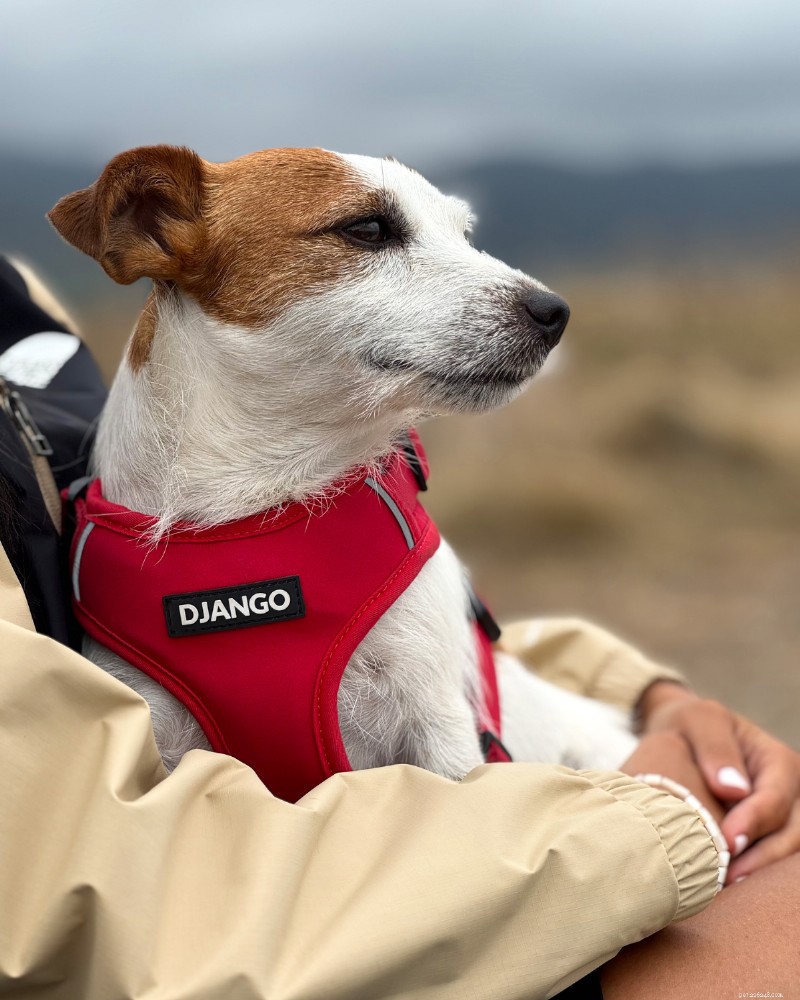
Why Small Dogs Slip Out of Harnesses
Most escapes are practical: a loose area, an oversized strap, or insufficient adjustability. Even energetic dogs can be secured with a proper fit.
Common reasons include:
1. Loose Neck Opening
A poorly fitting neckline allows the harness to slide forward when the dog pulls backward, creating a gap for escape.
2. Chest‑Only Adjustment
Many harnesses adjust only around the rib cage. For narrow‑shouldered or small‑head dogs, this leaves a neck gap that can be exploited.
3. Narrow Shoulders or Small Head
Breeds like Chihuahuas, Yorkies, and Italian Greyhounds often have proportionally smaller heads and shoulders, making a loose neck opening more likely.
Read our full Best Harness for Small Dogs guide for deeper insight.
4. Deep, Broad, or Unusual Chest Shape
Dogs such as dachshunds, French Bulldogs, and Pugs vary in chest depth and width. A harness must accommodate these variations to stay secure.
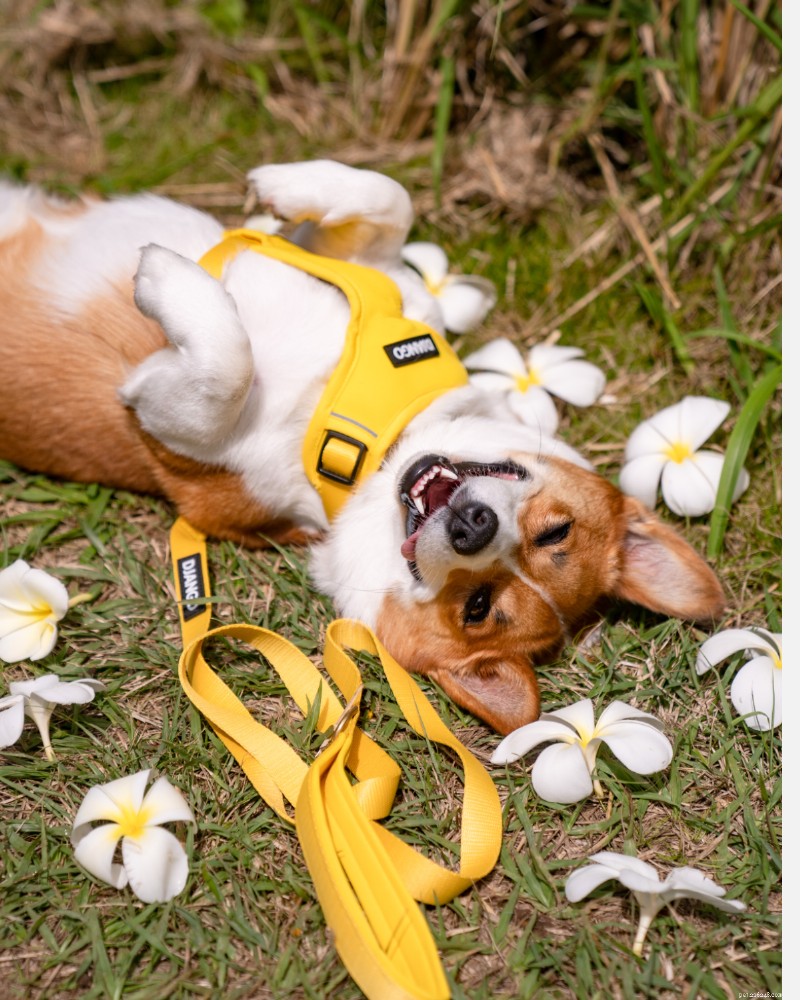
5. Fluffy Coats Hide Gaps
Soft or full coats can conceal a loose fit. Check the strap placement under the fur before and after a walk.
6. High Placement Near the Throat
A harness that sits like a collar can cause discomfort, coughing, or pressure on the trachea. For small dogs, the front panel should sit below the throat.
7. Uncomfortable Harness Promotes Escape
Rubbing, digging, or bulkiness encourages a dog to resist or try to escape. Comfort is essential for security.
Small dogs that often slip:
- Narrow‑shouldered breeds (Chihuahuas, Yorkies, Italian Greyhounds)
- Long‑backed or deep‑chested dogs (dachshunds)
- Broad‑chested dogs (French Bulldogs, Pugs, Boston Terriers)
- Fluffy dogs with thick coats
- Puppies or energetic dogs that pull backward
Common escape triggers:
- Loose neckline
- Limited adjustability
- Chest‑only adjustment
- Bulky or uncomfortable materials
- High placement near the throat
- Sudden backward pulling
See our Best Harness for Dachshunds guide for a breed‑specific focus.
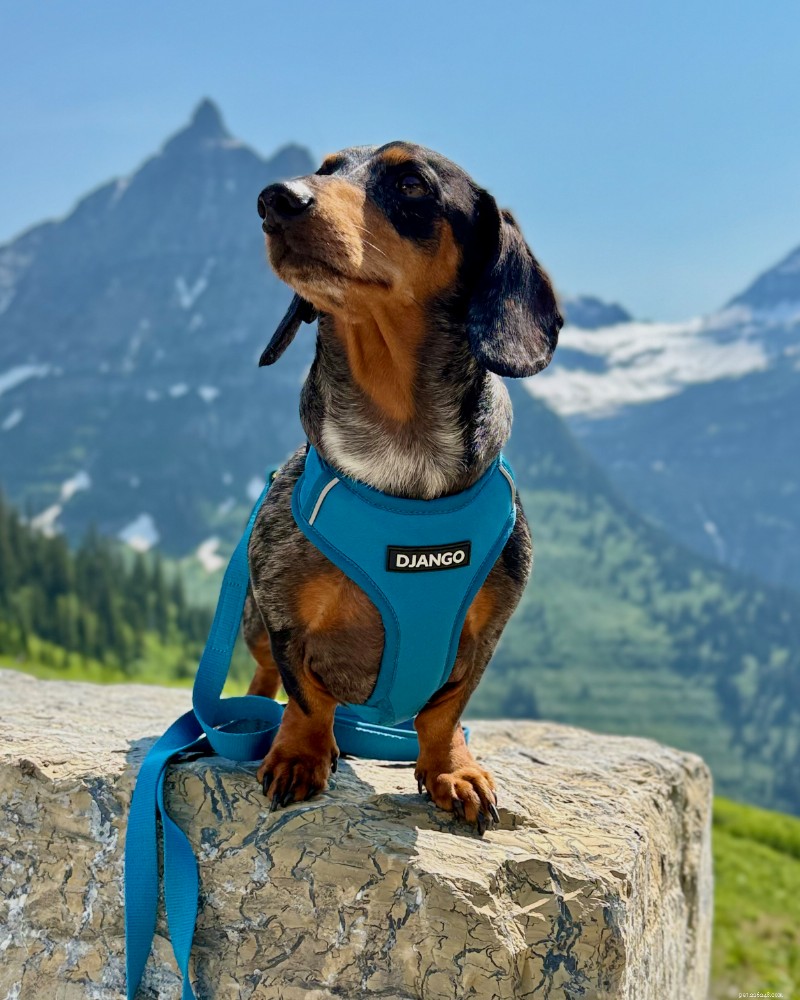
How to Choose an Escape‑Proof Harness for Small Dogs
When the goal is to prevent slipping, prioritize features that secure fit rather than flashy extras.
Key selection criteria:
Neck and Chest Adjustment
Both areas must be adjustable to eliminate gaps.
No Neck Gap
The neckline should stay close to the body, preventing forward sliding.
Stable Rib‑Cage Fit
Chest straps should remain secure during walking, turning, and backing up.
Chest‑Focused Pressure
The front panel must sit below the throat, redirecting leash pressure to the strong chest.
Lightweight Construction
Bulky harnesses cause discomfort and resistance.
Durable Materials
Soft but sturdy straps, buckles, and hardware that hold their adjustment are essential.
Adjustability Is the Biggest Security Feature
A harness that adjusts only at the chest leaves a neck gap, especially for narrow or small‑head dogs. Dual adjustment ensures a snug fit where it matters.
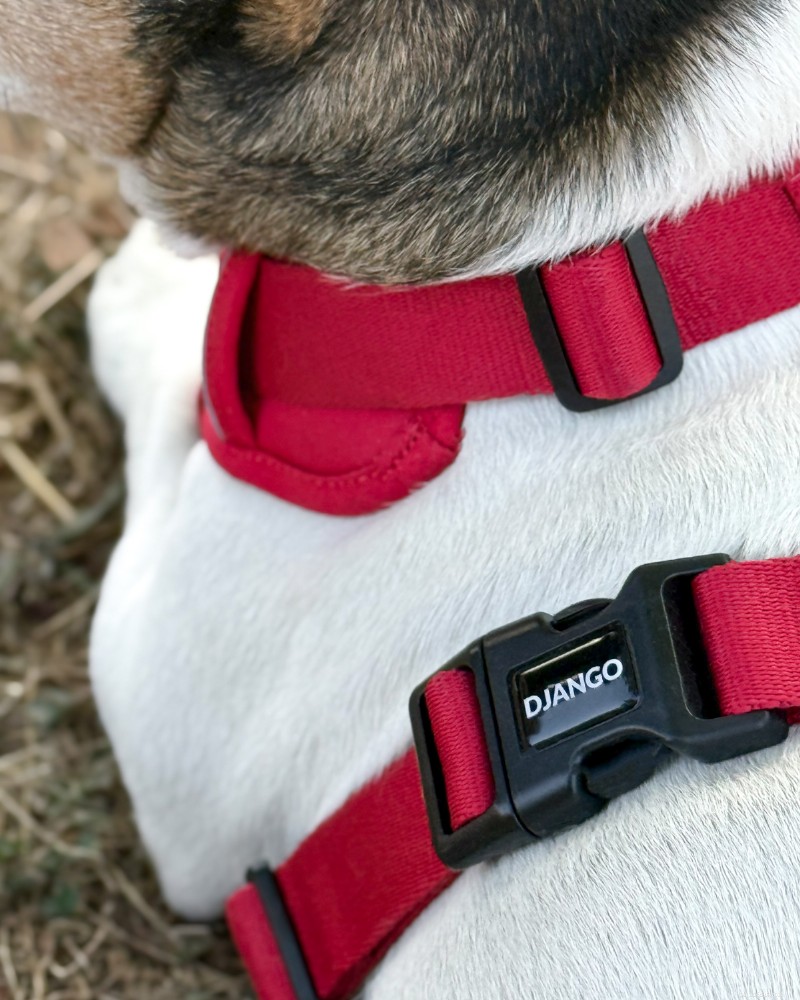
Balance During Backing Up
The harness should not slide forward when the dog pulls backward. Some movement is normal, but it must stay balanced.
Comfort Reduces Escape Attempts
Rubbing, pinching, or stiffness encourages a dog to twist or push against the harness. A well‑fitted, comfortable harness reduces this risk.
Our recommendation: Choose a harness that is adjustable, stable, lightweight, and comfortable. Tightness is not the goal; eliminating gaps while allowing natural movement is.
What to Avoid If Your Small Dog Backs Out
Certain styles and sizing habits can increase escape risk.
| What to Avoid | Why It Matters |
|---|---|
| Loose, fixed neckline | Leaves room for escape. |
| Chest‑only adjustment | Fails to secure the neck on narrow‑shouldered dogs. |
| Oversized vest harnesses | Can stretch or shift, compromising security. |
| Bulky harnesses on small frames | Causes discomfort and resistance. |
| High placement like a collar | Creates pressure on the throat and can shift. |
| Buying by weight alone | Chest girth and body shape matter more. |
| Extra room “for comfort” | Large gaps facilitate slipping. |
Step‑in and vest harnesses can work for calm dogs, but they are not inherently safer. Fit, adjustability, stability, and comfort determine security.
Why We Recommend the DJANGO Adventure Dog Harness
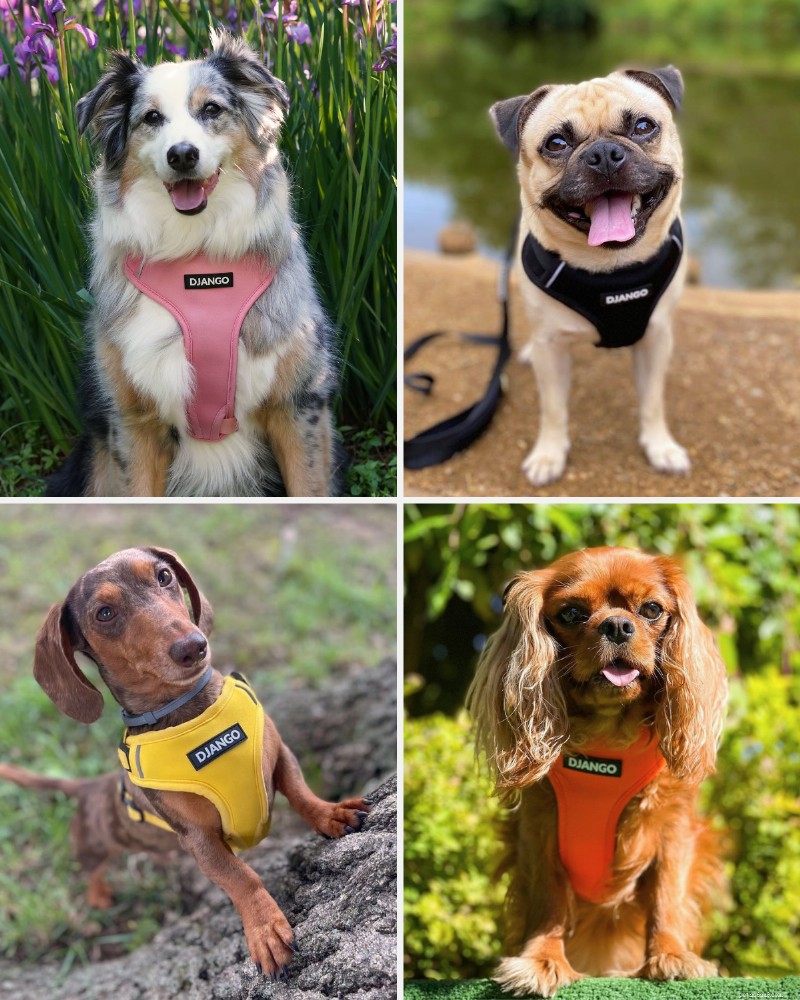
The DJANGO Adventure Dog Harness is engineered for small and medium dogs (up to 25–30 lbs) who need a secure, comfortable fit that adapts to their body shape.
Four Adjustment Points
Four adjustable areas—two at the neck and two at the chest—eliminate gaps, allowing a snug yet flexible fit.
Secure Neckline
Its adjustable neck opening keeps the harness close to the body without being restrictive.
Chest‑Focused Design
The front panel sits below the throat, distributing leash pressure across the strong chest rather than the delicate neck.
Lightweight Build
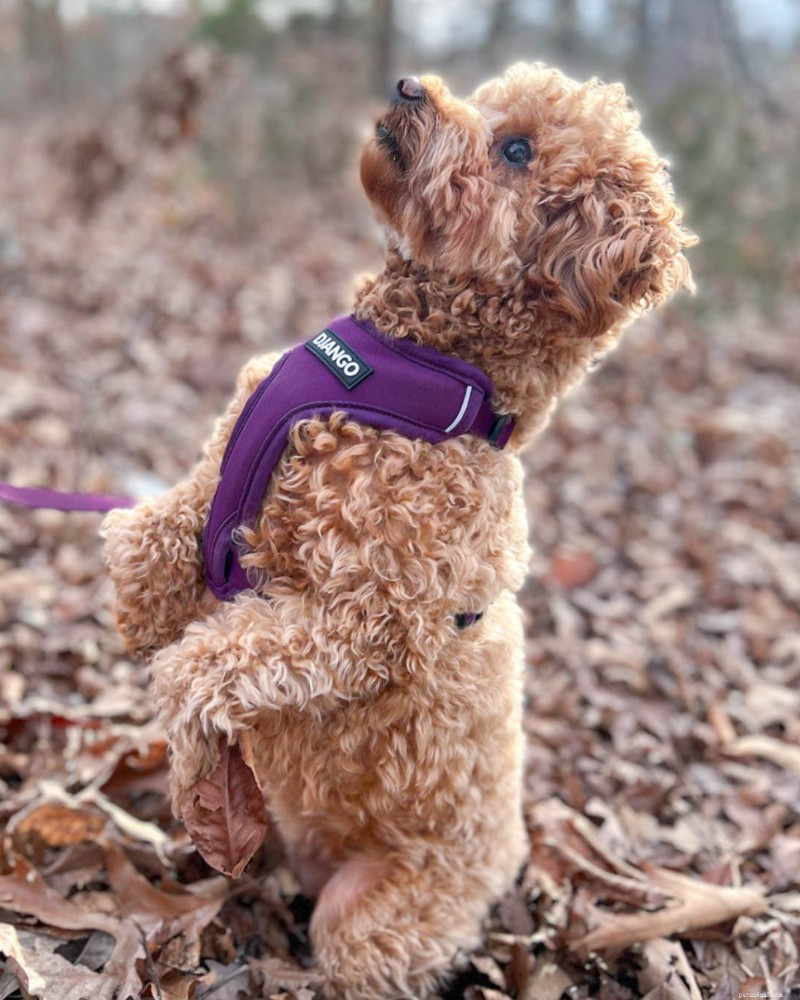
Padded and secure yet lightweight, it’s suitable for daily walks, errands, travel, and outdoor adventures.
Soft, Breathable Materials
Custom webbing, neoprene padding, and sport mesh lining reduce rubbing and irritation.
Easy On/Off Buckles
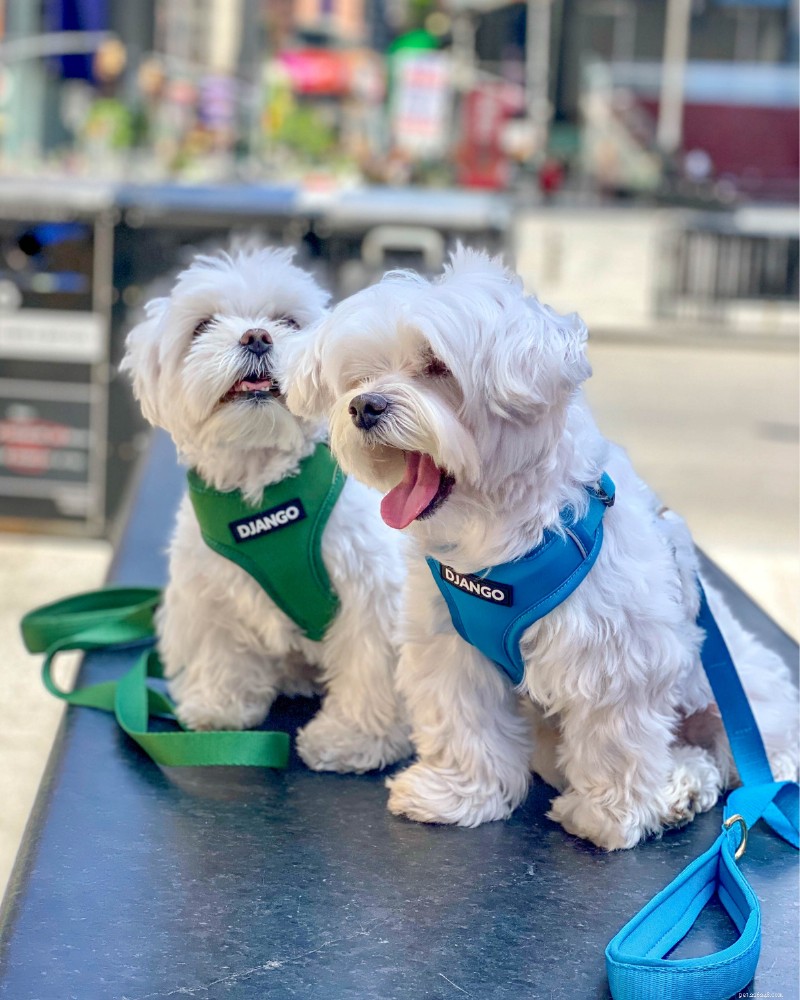
Two side‑release buckles make securing and removing the harness quick and gentle, ideal for wiggly, sensitive, or senior dogs.
Best for: Small and medium dogs up to 25–30 lbs needing a lightweight, secure, adjustable everyday harness.
For larger dogs, stronger pullers, or front‑clip control, consider the DJANGO Tahoe No Pull Harness.
Shop the Adventure Dog Harness – Ask us for sizing help
How to Fit a Small Dog Harness
Even the best harness fails if sized or adjusted incorrectly. Use this quick check before every walk.
1. Measure Chest Girth
Measure around the widest part of the chest, just behind the front legs.
2. Choose the Right Size
Consult the size chart and consider body shape—narrow, fluffy, or broad‑chested dogs may need a different fit.
3. Adjust Neck Straps
Set the front panel below the true neckline, not high on the throat.
4. Adjust Chest Straps
Use the 2‑finger rule to leave a small gap—snug but not tight.
5. Check Behind Front Legs
The harness should not rub against the armpits or restrict stride.
6. Perform a Back‑Out Test
Attach the leash and gently encourage a step backward. The harness should stay in place.
7. Recheck After Walking
After a few walks, perform a quick fit check and adjust as needed.
Secure Fit Checklist
- No large gaps at the neck
- Chest straps snug with 2‑finger rule
- Front panel below the throat
- No rubbing behind front legs
- Stable during backing up
- Dog moves naturally—walk, sit, lie, trot
Veterinarian & Expert Resources
- AKC: The importance of a well‑fitting dog harness
- AKC: Choosing the right dog harness
- AKC: How to put on a dog harness
- VCA Hospitals: Collar and harness options for dogs
FAQ: Escape‑Proof Harnesses for Small Dogs
What is the best escape‑proof harness for small dogs?
The top recommendation for dogs up to 25–30 lbs is the DJANGO Adventure Dog Harness. It is lightweight, adjustable, and designed to keep dogs secure and comfortable.
Can a small dog still slip out of an escape‑proof harness?
No harness is flawless if it’s the wrong size, poorly adjusted, or ill‑shaped. Proper fit eliminates gaps and prevents slipping.
Why does my small dog keep backing out?
Loose neck openings, chest‑only adjustment, or mismatched body shape are common culprits. A dual‑adjustment harness reduces these risks.
How do I stop my small dog from slipping out?
Measure chest girth, confirm correct size, and adjust both neck and chest straps. Test with a back‑out check. If the harness slides, consider a more adjustable model.
How should a harness fit a small dog?
Secure around the rib cage, sit below the throat, and allow two fingers between straps. Movement should be unrestricted.
Are step‑in or vest harnesses good for small dogs that slip out?
Only if they fit snugly and remain stable. Fit and adjustability trump style.
What type of harness is safest for a small dog that slips out?
One that is adjustable, secure, comfortable, and properly fitted. The DJANGO Adventure Dog Harness exemplifies these qualities.
What is the best escape‑proof harness for dachshunds?
Dachshunds need a lightweight, adjustable harness that accommodates a long back and deep chest. The DJANGO Adventure Dog Harness fits these needs and is highly rated by owners.
- Pet Behavior
- Pet Breeds
- Pet Names
- Pet Adoption
- Pet Training
- Pet Information
- Pet Health
- Adorable Pets
- Dogs
- Meet Your Snake's Nutritional Needs: Expert Feeding Guide
- Understanding Bullmastiff Odor: Why These Powerful Dogs Have Distinct Smells
- Breeding Pets 101: Essential Guide for New Owners
- Decoding Cat Body Language: 5 Key Signals Every Owner Should Understand
- Calming Your Anxious Dog: Proven Strategies for Stress Relief
- Essential Guide to Caring for Your Pet Mouse
- Is Your Dog Drinking Excess Water? Signs, Causes, and What to Do