

Teach Your Dog to Ring a Bell for Outdoor Potty: The Expert Guide
Updated April 2026
When Steph and I welcomed our dachshund puppy Django into our small NYC apartment, we quickly learned that potty training a dachshund can be a challenge. Despite a consistent schedule of frequent walks, praise, treats, and patience, accidents still occurred. We missed his subtle signals, and sometimes he simply vanished before we could react.
Dog bell training became the game‑changer. By teaching Django to ring a bell, we gave him a clear, effortless way to tell us, “I need to go outside.” The method is simple, consistent, and a powerful communication tool for puppies, adult dogs, and apartment dwellers alike.
In this guide we’ll walk you through every step: selecting the right bell, teaching the touch cue, linking the bell to potty trips, and troubleshooting common challenges. Whether you’re a first‑time pet parent or a seasoned trainer, these evidence‑based techniques will help you and your dog communicate more effectively.
Quick Answer: How to Train a Dog to Ring a Bell
The core of bell training is creating a clear association: touch the bell, door opens, you go outside, dog urinates, you reward. Here’s the streamlined process:
- Reward each time your dog touches the bell with a treat and enthusiastic praise.
- Position the bell next to the door you use for potty breaks.
- Every time you take your dog outside, have them touch the bell first. Open the door immediately, walk to the chosen potty spot, and reward after the dog urinates.
- Repeat until the sequence—bell, door, outside, potty, reward—becomes automatic.
What Is Dog Bell Training?
Dog bell training is a proven method that teaches dogs to signal when they need to go outside by ringing a bell. Unlike scratching, barking, or wandering, the bell offers a single, unmistakable cue.
- Ideal for puppies learning to communicate.
- Great for small breeds with limited bladder capacity.
- Essential for apartment living where space is limited.
- Helpful when your dog offers subtle or inconsistent potty signals.
- Provides families with a structured house‑training routine.
When paired with a comprehensive potty training plan—scheduled walks, crate training, and reward systems—bell training accelerates learning and reduces indoor accidents.
Our Experience with Django
Bell training was the key that unlocked Django’s understanding that potty time belongs outside. The moment he approached the door and rang the bell on his own felt like a small miracle, confirming that our approach worked.
When to Start Bell Training a Puppy
Introduce the bell as soon as your puppy arrives home, keeping expectations realistic. Puppies still need frequent walks and supervision; the bell supplements rather than replaces a solid potty schedule.
- Morning walk
- After meals
- After naps
- After play
- Before bedtime
- Every 1–2 hours during the first weeks
Each trip should include a bell touch to reinforce the connection between the bell and outside potty time.
Step 1: Choose the Right Dog Potty Bell
Select a bell that is easy for your dog to reach and that makes a clear, non‑startling sound. Options include:
Hanging Doorbell
Attaches to a doorknob or hook. Adjustable height makes it suitable for puppies and small breeds. Hang it next to the knob, not on the knob itself, to prevent constant ringing.
Service‑Style Bell
A small, desk‑style bell that the dog can paw at. Works well for dogs that naturally use their paws. Ensure it’s not too stiff or loud.
Wireless Bell
Features a door‑side button and a receiver elsewhere in the house. Useful in larger homes or if you’re in another room. Keep the volume gentle to avoid startling sensitive dogs.
Tip for Small Dogs
Place the bell low enough that your dog can touch it without jumping. The easier the bell, the quicker the learning curve.
Step 2: Teach Your Dog to Touch the Bell
Before linking the bell to outside trips, first train your dog to associate touching the bell with a reward.
- Hold the bell near your dog’s nose or lay it on the floor in front of them.
- When they sniff or touch the bell, say “yes!” and give a small treat.
- Repeat until they voluntarily touch the bell on cue.
- Add a verbal cue such as “touch” just before they interact with the bell.
- Continue until the touch response is reliable.
Use tiny rewards—small pieces of chicken, cheese, or a training treat—to keep the dog motivated without over‑feeding. Keep sessions short (1–2 minutes) to match a puppy’s limited attention span.
Some dogs prefer pawing over nosing. Either method works as long as the bell is reachable.
Step 3: Move the Bell to the Potty Door
Once the touch cue is mastered, relocate the bell to the door you use for potty trips. Consistency is key: keep the bell in the same spot to avoid confusion.
- Bring your dog to the door.
- Point to the bell and say “touch.”
- Reward each successful touch.
- Repeat several times in short sessions.
At this point you’re merely re‑establishing that the bell by the door is the same game they already know.
Step 4: Connect the Bell to Potty Breaks
This step completes the learning loop. Each time you take your dog outside:
- Have them touch or ring the bell.
- Open the door immediately.
- Walk straight to the chosen potty spot.
- After the dog urinates, give enthusiastic praise and a treat.
Consistency is critical. Initially you may need to guide or prompt the bell; over time your dog will begin to ring it on their own.
How Long Does Bell Training Take?
Some dogs grasp the bell pattern within days; others may take a few weeks, especially puppies juggling new skills like bladder control and outdoor habits. The more you reinforce the bell‑to‑outside sequence, the faster the learning.
It’s normal for dogs to ring the bell excessively once they realize it opens the door. This excitement often extends beyond potty needs—beyond squirrels, sunshine, or just the allure of the outdoors. The trick is to keep the door open only for actual potty breaks.
Managing Extra Ringing
When your dog rings the bell frequently for non‑potty reasons, avoid removing the bell. Instead, make the trip to the potty spot quiet and boring:
- Put on the leash.
- Go straight to the potty spot.
- Give the dog a few minutes to decide.
- If they go, reward. If not, calmly return inside.
No playtime or long walks during these moments—just a focused, calm potty opportunity.
Dog Bell Training in an Apartment
Apartment living can complicate potty training: hallways, elevators, long walks to a patch of grass, and noisy neighbors. A bell provides an early warning system, letting you act before an accident occurs.
Key points for apartments:
- Bell rings.
- Leash or harness quickly.
- Proceed straight outside.
- Use the same potty spot for consistency.
- Reward immediately after potty.
For rapid puppy trips, a lightweight, easy‑on harness can save time and reduce stress. 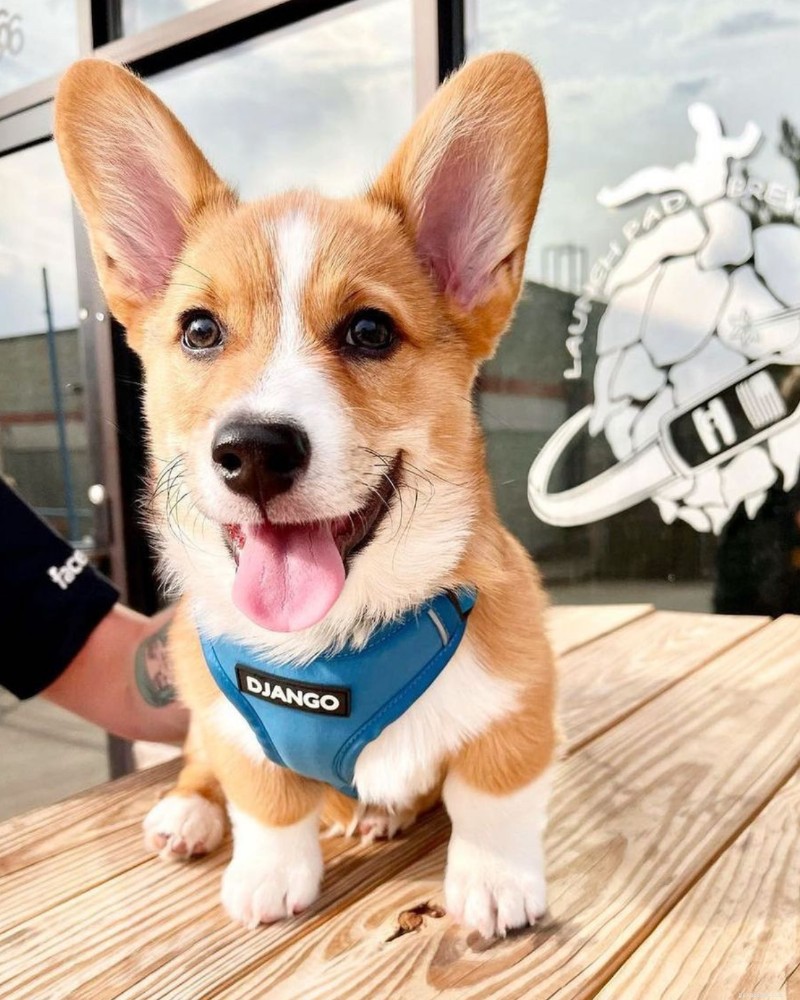
Common Mistakes and How to Avoid Them
- Inconsistent door opening: Keep the bell’s purpose clear—open only for potty.
- Delayed rewards: Praise and treat the bell touch and the potty immediately.
- Expecting instant bladder control: The bell is a communication aid, not a schedule replacement.
- Moving the bell frequently: Maintain a single, consistent location.
- Getting frustrated with extra ringing: Stay calm, keep trips short, and reinforce the potty link.
Essential Puppy Gear for Bell Training
While bell training requires minimal equipment, a few thoughtful items can streamline the process:
Soft, Easy‑On Harness
A lightweight, adjustable harness like the Adventure Dog Harness keeps you in control during quick trips. 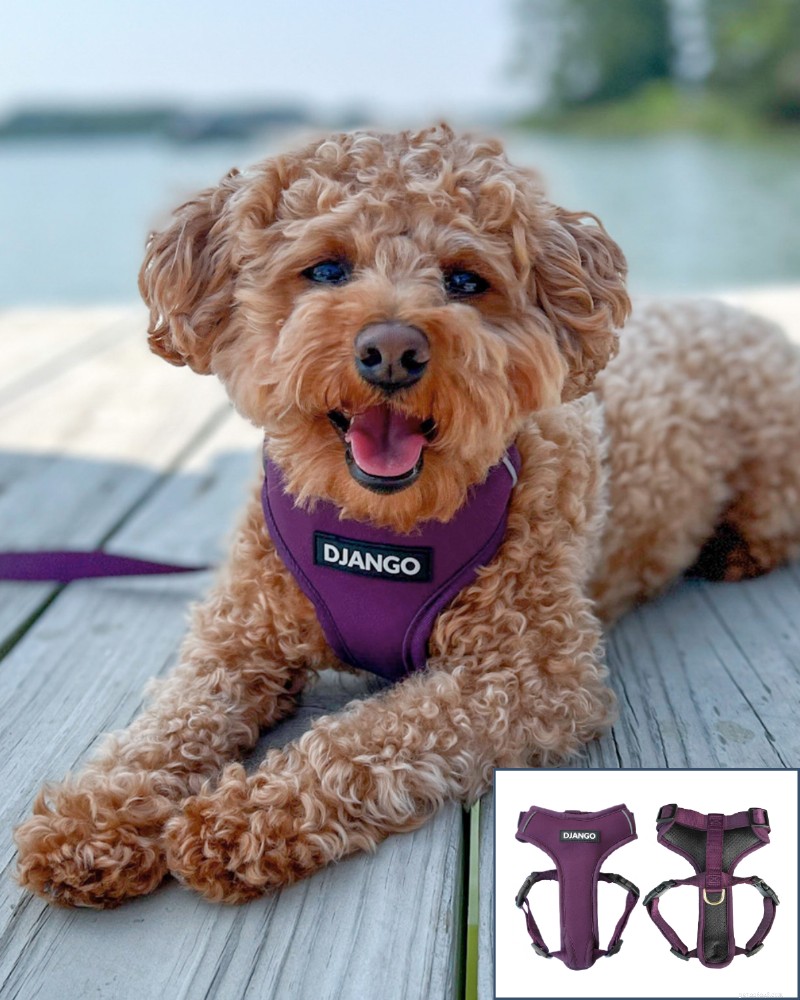
Comfortable Everyday Leash
Short, focused walks are easier when the leash is secure and comfortable. 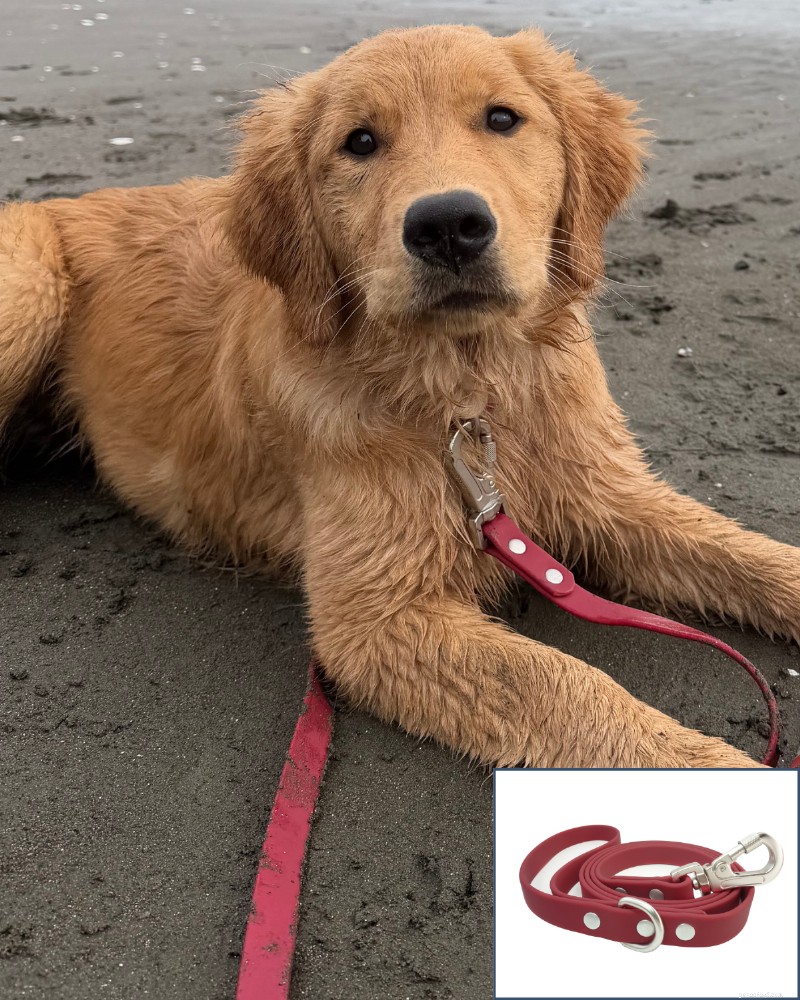
Dog Carrier for Apartments
A structured tote helps you carry a young puppy safely when you’re outside the apartment building. 
Raincoat for Bad Weather
Weather shouldn’t halt training. A lightweight raincoat keeps your puppy dry and comfortable. 
Is Dog Bell Training Worth It?
For many owners, bell training is a small effort that yields a huge payoff: a clear signal from your dog that they need to go outside. It doesn’t replace consistency, supervision, or a solid potty schedule, but it makes communication smoother and reduces indoor accidents.
Our experience with Django confirms that a bell can transform chaotic routines into predictable, stress‑free walks. Start simple: keep the bell in one spot, reward often, and make trips focused. A few extra rings at first are normal—your dog is just learning the system.
When your dog rings that tiny bell, you’ll know they’re ready for the great outdoors—and you’ll appreciate the rhythm of that sweet sound.
New Puppy at Home?
For a complete step‑by‑step routine, read our full guide on puppy potty training. It covers schedules, crate training, puppy pads, dachshund tips, and more.
Dog Bell Training FAQ
- How do I train my dog to ring a bell? Teach the touch cue, move the bell to the door, and consistently pair the bell with outside potty trips and immediate rewards.
- Does dog bell training really work? Yes—when taught consistently, it provides a clear communication channel that pairs the bell with outdoor potty and rewards.
- How long does it take? From a few days to a few weeks, depending on the dog’s age, temperament, and training consistency.
- Can I train an older dog? Absolutely—older dogs often learn faster due to better attention span and bladder control.
- What type of bell is best? Choose a bell that’s within reach, produces a clear but gentle sound, and suits your living space (hanging, service‑style, or wireless).
- What if my dog rings the bell just to play? Keep the trip short and boring; only reward when they actually potty.
- Should I use a bell while potty training a puppy? Yes—it’s a helpful tool, but maintain a frequent potty schedule and close supervision.
- Where should I put the bell? Near the door you use for potty breaks, low enough for the dog to reach, and in a consistent location.
- Pet Behavior
- Pet Breeds
- Pet Names
- Pet Adoption
- Pet Training
- Pet Information
- Pet Health
- Adorable Pets
- Dogs
- Blanc de Termonde Rabbit: Care Guide, Lifespan, Behavior & Tips for New Owners
- Peacock Power: 10 Astonishing Facts About the Majestic Bird
- Why Do Dogs Poop Indoors? Common Causes & How to Fix It
- Effective Management Techniques for Common Dog Behaviors
- Understanding Why Your Rabbit Might Bite: Causes and Solutions
- The Ultimate Guide to Caring for Your Parakeet
- All Newfoundland Coat Colors Explained – With Stunning Pictures