

Scariest Dog Breeds: Myth vs. Reality
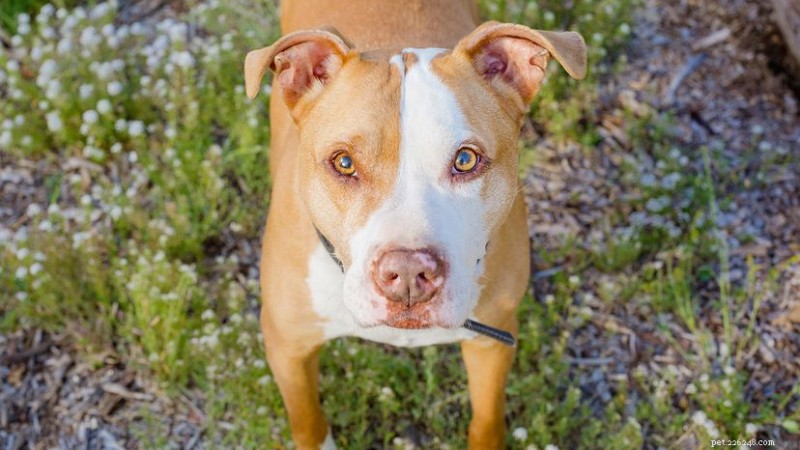
When people discuss the “scariest” dog breeds, they often focus on appearance or a history of aggression. In truth, a dog’s behavior is shaped more by training, socialization, and the environment than by genetics alone. Proper guidance can transform even the most intimidating breeds into devoted companions.
1. American Pit Bull Terrier
The American Pit Bull Terrier frequently tops lists of “dangerous” dogs. Originally bred for bull‑baiting and dog fighting, and later for hunting feral hogs, this breed’s muscular build and strong bite can be intimidating. However, with consistent training and early socialization, many Pit Bulls become gentle and loyal family pets. Mismanagement or abuse, however, can trigger aggression.
2. Rottweiler
Rottweilers are powerful dogs with a long history as guard dogs. Their size, bite force, and protective instincts can make them seem menacing, especially to unfamiliar people or animals. Young, continuous training and regular exercise are essential to channel their protective energy positively.
3. Doberman Pinscher
Dobermans are fast, intelligent, and alert—qualities that made them popular as personal protection dogs in the 19th century. Their sleek appearance and keen senses can appear intimidating. Without basic obedience and mental stimulation, they may display aggression toward strangers or other pets.
4. German Shepherd
Widely used in police and military roles, German Shepherds are known for loyalty and intelligence. Yet, they require consistent training and socialization to prevent aggressive tendencies, especially around smaller animals and other dogs.
5. Tosa Inu
The Japanese Tosa Inu was bred for dog‑on‑dog combat. Massive and stoic, it has earned a fearsome reputation and is banned in several countries. Only experienced owners with a deep understanding of responsible ownership should consider this breed.
6. American Bulldog
American Bulldogs are stocky and muscular, originally bred for farm work and hunting wild boar. Strong protective instincts can lead to aggression if not tempered by early training and socialization. With proper guidance, they thrive as calm family companions.
7. Presa Canario
Developed in the Canary Islands to guard livestock, the Presa Canario’s powerful bite and assertive temperament can be intimidating. Early, consistent training is vital to prevent aggression toward other dogs and humans.
8. Alaskan Malamute
Alaskan Malamutes are often labeled gentle giants, yet they possess a strong prey drive and can be aggressive toward smaller animals. Bred to haul heavy loads in harsh climates, they require ample physical activity to avoid destructive or aggressive behaviors.
9. Chow Chow
Chow Chows combine a fluffy appearance with a fiercely loyal nature. They may become aggressive if they feel threatened or startled. Early socialization and training are key to preventing territorial behavior and bites.
10. Wolf Hybrids
Hybridizing domestic dogs with wolves yields unpredictable traits. These animals retain strong roaming and hunting instincts and are generally unsafe around children or other pets. Their behavior can mirror that of wild wolves, making them best suited for experts only.
Our article was developed using AI technology and subsequently fact‑checked and edited by a HowStuffWorks editor.
- Pet Behavior
- Pet Breeds
- Pet Names
- Pet Adoption
- Pet Training
- Pet Information
- Pet Health
- Adorable Pets
- Dogs
- Chinchilla Litters: Typical Number of Pups Born per Pregnancy
- 3 Key Health Risks Your Dog Faces While Boarding – Protect Your Pet Today
- Are Fireflies (Lightning Bugs) Toxic to Cats? Protect Your Pet from Poisonous Insects
- What Causes Cat Restlessness? Expert Tips to Identify and Treat the Root Cause
- Can Ticks Still Threaten Your Dog After Removal?
- Cat Bleeding: Causes, Symptoms, and Treatment Guide
- Discover 304 Perfect Names for Your Orange Cat – Unique, Memorable Ideas