

Staffy Bull Pit: From Working Dog to Loving Family Companion
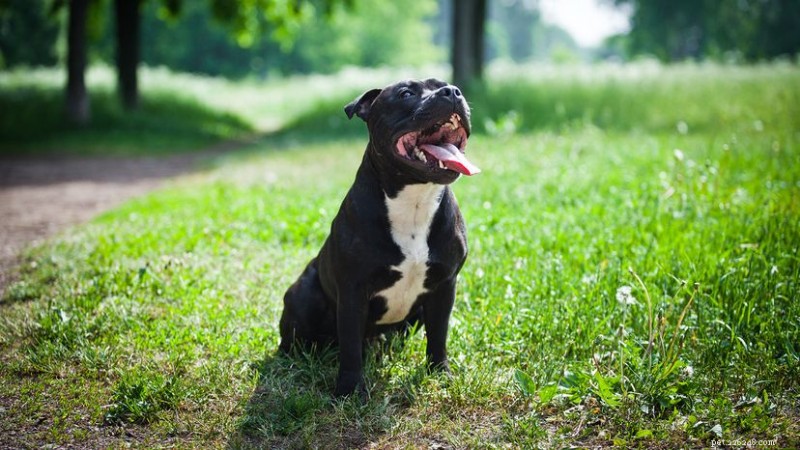
The Staffy Bull Pit is a hybrid of two muscular, people‑loving breeds: the American Pit Bull Terrier and the Staffordshire Bull Terrier. Some breeders also include the American Staffordshire Terrier in the mix.
A Brief History of Staffy Bull Pits
These dogs trace their lineage to the “bully” breeds that emerged in 19th‑century Great Britain. Staffordshire Bull Terriers were developed in towns such as Cradley Heath for bull‑baiting and pit‑fighting. Across the Atlantic, American breeders refined the American Pit Bull Terrier and the American Staffordshire Terrier.
While the original purpose of these breeds was work and competition, modern breeders have focused on health, temperament, and trainability. Organizations like the Staffordshire Bull Terrier Club of America now promote the breed’s people‑oriented nature and stable temperaments.
Appearance and Temperament
The Staffy Bull Pit carries a sturdy, athletic build. Expect a broad head, pronounced cheek muscles, and a short, low‑shedding coat that may come in fawn, brindle, blue, or other colors. Their coats require minimal grooming.
These dogs are renowned as “nanny dogs” because of their gentle, affectionate nature with children. They thrive on social interaction, are loyal, and enjoy being part of the family. Early socialization helps them coexist peacefully with other pets.
Training and Care
Consistency and patience are key when training a Staffy Bull Pit. Early obedience classes and regular exercise keep their strong, energetic bodies in balance. Responsible owners should provide a balanced diet, routine veterinary care, and yearly check‑ups to prevent conditions such as hip dysplasia.
With proper care, a Staffy Bull Pit can live 12 to 14 years.
Legacy and Modern Role
Although the breed’s past is linked to bull‑baiting and fighting, today’s Staffy Bull Pits are celebrated for their loyalty, protective instincts, and love for their families. They are not recognized as a purebred by the American Kennel Club, but DNA testing can confirm their lineage.
These dogs stand as evidence that thoughtful breeding and responsible ownership can transform former work dogs into affectionate, trustworthy companions.
We produced this article with AI assistance and then fact‑checked and edited by a HowStuffWorks editor.
- Pet Behavior
- Pet Breeds
- Pet Names
- Pet Adoption
- Pet Training
- Pet Information
- Pet Health
- Adorable Pets
- Dogs
- Why Dogs Love Tug-of-War: The Science Behind the Fun
- How to Craft a Secure Collar for Blind Dogs: Step-by-Step Guide
- Understanding Your Cat's Nighttime Meowing: Causes & Solutions
- Bloat (GDV): The Most Critical Dog Emergency Explained
- Week 28: Curated Highlights of the Best Dog Articles
- Xoloitzcuintli: Mexico’s Ancient Hairless Dog – Trusted Companion & Underworld Guide
- Do Dogs Detect Flavor in Mild Foods? A Scientific Look