

Male vs. Female Dogs: Key Differences to Consider When Choosing a Companion
Choosing a new canine companion involves many factors—size, age, grooming, activity level, and more. But how much should a dog’s sex influence that decision?
As a veterinarian with over 25 years of practice and a lifelong dog parent, I’ve met thousands of dogs whose personalities have both conformed to and defied gender stereotypes. While some studies note tendencies, the individual dog’s temperament is far more predictive of the bond you’ll build.
Does a dog’s sex matter?
Research shows statistically significant differences between intact males and females, but these differences blur when you look at a single animal. For example, spaying can sometimes increase aggression in certain females, yet a spayed pup you meet at a shelter may be the sweetest companion you’ve ever owned. The bottom line is that a dog’s unique personality outweighs any broad sex-based generalization.
Personality differences between male and female dogs
Sex hormones and the timing of neutering or spaying influence behavior. Intact males carry higher testosterone levels, which can manifest in traits often linked to aggression or roaming. Females, meanwhile, exhibit hormonal cycles that may affect mood and bonding.
Personality of male dogs

- Roaming instinct: Intact males tend to explore farther distances, a remnant of ancestral territory hunting. This can lead to increased risk of fights, getting lost, or injury.
- Potential for aggression: Studies, including one in Nature: Scientific Reports (2021), have found higher aggression rates in males compared to females.
- Humping behavior: Males generally hump more, often as a communication or excitement cue rather than a purely sexual act.
- Territorial marking: Male dogs are more likely to spray urine to assert territory, which can interrupt walks and require extra clean‑up.
- Affectionate tendencies: While anecdotal, many owners report that males may display overt affection and playfulness, though this varies widely among individuals.
Personality of female dogs
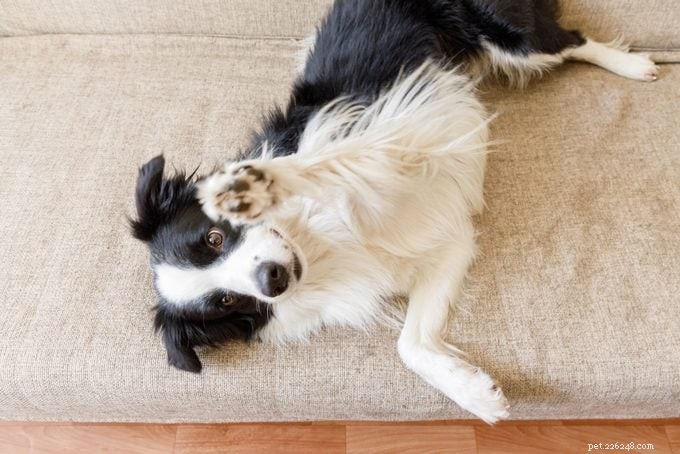
- Calmer demeanor: Many owners find females to be more subdued, potentially due to reproductive responsibilities that require steadiness.
- Training ease: A 2017 study in Royal Society Open Science found females scored higher on obedience measures, possibly because they focus better during training sessions.
- Nurturing instincts: Unspayed females often exhibit caring behaviors during heat cycles, including nest building and protective actions toward stuffed toys.
- Loyalty and bonding: Elevated oxytocin levels in females may enhance bonding, and a 2015 Science paper noted mutual oxytocin release when humans and dogs stare into each other’s eyes.
Health differences in male and female dogs
While neither sex is inherently healthier, certain conditions show sex-specific prevalence. Knowing these can help you spot early warning signs.
Health of male dogs
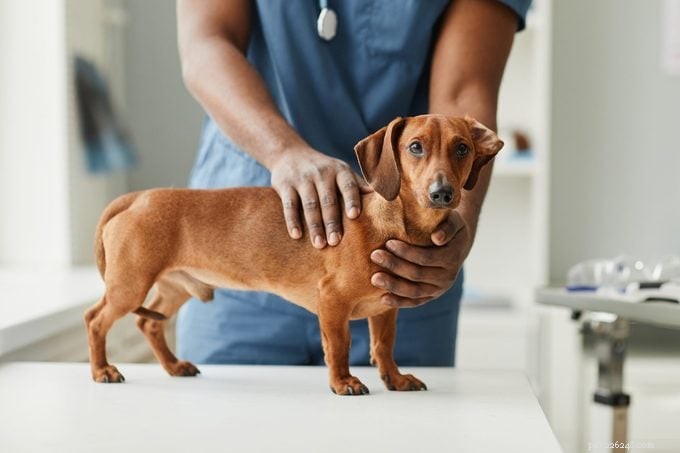
- Testicular tumors: Intact males are at risk; early neutering dramatically reduces this threat.
- Prostate disease: Benign prostatic hyperplasia (BPH) and infections are common in older intact males, often causing urinary difficulty.
- Perianal gland tumors: Elevated testosterone can lead to benign adenomas that may need removal to prevent infection or blockage of stool passage.
- Joint disorders: Males tend to develop elbow dysplasia and experience faster progression of hip dysplasia, likely due to rapid growth and larger body size.
Veterinary guidance can determine the optimal age for neutering, especially for breeds prone to joint issues or cancer when neutered too early.
Health of female dogs
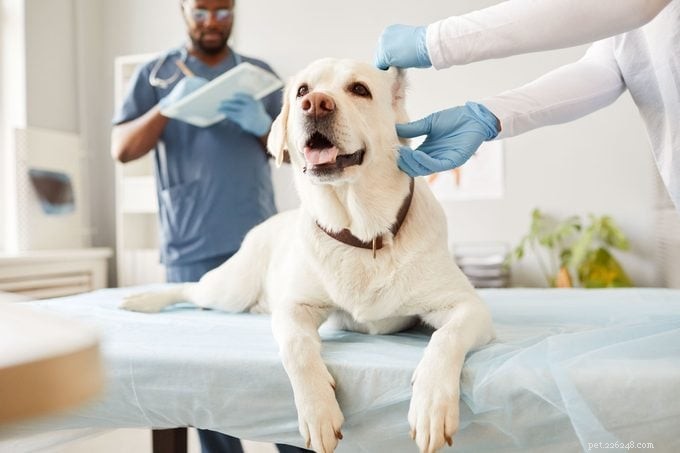
- Mammary tumors: Unspayed females face a higher risk of both benign and malignant breast cancers. Spaying before the first heat cycle can nearly eliminate this risk.
- Pyometra: This life‑threatening uterine infection occurs in up to 25% of unspayed females; spaying prevents it entirely.
- Ovarian cancer: Removal of ovaries during spaying removes this risk, though ovarian cancers are relatively rare.
- Urinary tract infections: Shorter urethras in females make them more susceptible, yet spaying can reduce the frequency of post‑spay incontinence.
Consult your veterinarian to balance the benefits of early spaying with potential developmental concerns for specific breeds.
FAQs about male vs. female dogs

Are male dogs more affectionate?
Affection is largely individual. While some males are overtly loving, many females exhibit deep affection, so the dog’s temperament is paramount.
Do female dogs prefer female owners?
Dogs generally feel comfortable with people who have provided positive interactions in the past, regardless of gender.
Are male or female dogs better for emotional support?
Both sexes can be excellent support animals. Choice depends on the specific traits you value, such as calmness or outward affection.
Are female dogs less aggressive?
Studies indicate lower aggression rates in females, but any dog can become aggressive if threatened or frightened.
Are female dogs more loyal?
Loyalty stems from bonding and consistent care; both sexes can exhibit profound loyalty.
Are male dogs harder to potty train?
Potty training success hinges on consistency and reinforcement, not sex. Marking is more common in males, but can be managed with proper guidance.
Do dogs prefer male or female owners?
Preference often aligns with previous positive experiences rather than owner gender.
Why trust us
Reader’s Digest commits to high‑quality, expert‑reviewed content. This article draws on the extensive experience of DVM Jennifer Coates and the rigorous review of DVM, DACVB, PhD Wailani Sung, whose expertise in behavioral medicine and authorial work on fear‑free training ensures accuracy and relevance.
We verify all facts with credible sources and update them regularly. Learn more about our contributors and editorial standards.
Sources:
- Nature: Scientific Reports – Aggressive behaviour is affected by demographic, environmental and behavioural factors in purebred dogs
- Royal Society Open Science – Assessment of owner‑directed aggressive behavioural tendencies of dogs in situations of possession and manipulation
- Science – Oxytocin‑gaze positive loop and the coevolution of human‑dog bonds
- BMC Veterinary Research – Prevalence of commonly diagnosed disorders in UK dogs under primary veterinary care: results and applications
- Frontiers in Veterinary Science – Assisting Decision‑Making on Age of Neutering for 35 Breeds of Dogs: Associated Joint Disorders, Cancers, and Urinary Incontinence
- Pet Behavior
- Pet Breeds
- Pet Names
- Pet Adoption
- Pet Training
- Pet Information
- Pet Health
- Adorable Pets
- Dogs
- French Bulldogs: Key Health Concerns & Common Diseases
- Key Indicators Your Dog Is About to Give Birth
- Is Catnip Safe for Cats? The Ultimate Guide
- Mastering Eye Contact: A Key to Effective Dog Training
- Premium Dog Food: Top‑Quality Nutrition That Meets AAFCO Standards
- Essential Bird Cage Features for a Healthy, Happy Home
- Cat Brain Tumors: Symptoms, Early Detection, and How to Get Help