

Top 12 Dog Breeds with Highest Bite-Related Injury Rates (2024 Data)
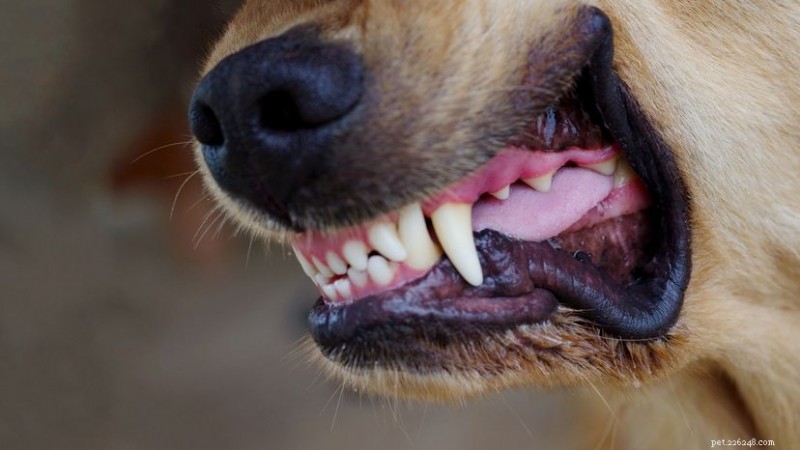
While any dog can display aggression if improperly managed, statistical evidence helps identify breeds that are disproportionately involved in severe bite incidents. According to the American Veterinary Medical Association (AVMA) and peer‑reviewed studies, certain breeds account for a higher percentage of fatal and non‑fatal attacks in the United States.
Owners of children, other pets, or smaller animals should pay extra attention to the breeds below, as they require rigorous training, consistent socialization, and responsible supervision.
Regardless of breed, it is the owner’s duty to provide proper care and guidance; well‑trained dogs can become safe, loving companions.
1. American Pit Bull Terrier
The American Pit Bull Terrier consistently tops the list of breeds involved in serious bites. AVMA data shows that pit bulls are responsible for over 60 % of all fatal dog attacks in the U.S. Their powerful jaws and strong musculature can cause significant injuries, especially when the dog is not properly socialized.
2. Rottweiler
Rottweilers, large guard dogs with a protective instinct, contribute to roughly 10 % of annual fatal attacks. Their strength and natural guarding behavior can turn into aggression if they perceive a threat. Proper, early training and socialization are essential to mitigate risk.
3. German Shepherd
German Shepherds are prized as police and military dogs due to their intelligence and loyalty. However, their protective nature can manifest as aggression when they are inadequately trained or socialized. Although they are less frequently involved in fatalities than pit bulls or Rottweilers, German Shepherds still rank high in overall bite incidents.
4. American Bulldog
American Bulldogs, leaner and stronger than their British counterparts, possess the physical attributes that can make them dangerous if left unchecked. In situations where wild instincts override domestication, they can pose a serious threat.
5. Bullmastiff
Originally bred to guard estates, Bullmastiffs combine size with a protective temperament. While typically calm around family, they may exhibit guard dog aggression toward strangers or other animals if not properly trained.
6. Siberian Husky
Siberian Huskies are renowned for their friendly demeanor, yet they have been involved in serious bites, particularly against children. Their strong predatory drive and high energy levels demand regular exercise and mental stimulation to prevent frustration‑driven aggression.
7. Alaskan Malamute
Alaskan Malamutes share the Husky’s endurance and strength but are less commonly linked to fatalities. Their strong will and energetic nature, however, can lead to difficult handling without consistent, disciplined training.
8. Doberman Pinscher
Dobermans are celebrated for their loyalty and alertness, yet they possess a 600 psi bite force. When their natural guarding instincts are not channeled correctly, they can become a serious threat to strangers and even family members.
9. Chow Chow
Despite a teddy‑bear appearance, Chow Chows are highly territorial and independent. Their stubbornness makes them challenging to train, and without proper socialization they can become aggressive, leading to bite injuries.
10. Great Dane
Great Danes are gentle giants, but their massive size means that an accidental bite can cause severe harm. Though they are less involved in attacks than pit bulls or Rottweilers, their strength makes any bite potentially dangerous.
11. Boxer
Boxers are playful and energetic, yet their strong jaws and muscular build can produce dangerous bites when aggression is triggered by improper handling or lack of training.
12. Mixed Breeds
Mixed‑breed dogs vary widely in temperament and size, but statistics show that many bites involve dogs with larger or historically aggressive parent breeds. Ultimately, a dog’s behavior depends on how it is raised, trained, and socialized.
A Final Note on Training and Treatment
A dog’s behavior is heavily influenced by its upbringing, environment, and training. Owners who provide consistent, positive reinforcement and adequate socialization reduce the likelihood of aggressive incidents. If bitten, seek medical attention immediately to prevent complications, even if the injury seems minor.
Our article is generated with AI assistance and has been reviewed and fact‑checked by a HowStuffWorks editor.
- Pet Behavior
- Pet Breeds
- Pet Names
- Pet Adoption
- Pet Training
- Pet Information
- Pet Health
- Adorable Pets
- Dogs
- Virtual Veterinary Care 2021: Trends, How It Works, and Top Providers
- Top-Reviewed Flea Powders for Cats: Safe & Effective Choices
- Can Dogs Safely Eat Cheese? Health Benefits & Risks Explained
- Why White Cats Are More Likely to Be Deaf: The Genetic Link Explained
- Prevent Your Cat From Turning the Sandbox into a Litter Box – Effective Solutions
- 10 Essential Tips Every Dog Owner Should Know
- 18 Delightful Gotcha Day Activities to Celebrate Your Dog's Adoption