

12 Ways You’re Unintentionally Annoying Your Dog (and How to Fix It)
After a long day, you come home to a wagging tail and hopeful eyes. Yet when you kneel for a hug, the dog’s distance suggests something’s off. Even seasoned vets can misread canine signals.
Veterinarian JoAnna Pendergrass, with nearly 15 years of practice, and her colleague Karen Todd‑Jenkins, VMD, bring over 30 years of combined experience to explain why your affectionate gestures can backfire and offer gentle, science‑backed alternatives.
Subscribe to Reader’s Digest’s Read Up newsletter for weekly insights on pets, health, and lifestyle.
About the Experts
- JoAnna Pendergrass, DVM – veterinarian and medical writer dedicated to pet‑owner education. She serves on the American Medical Writers Association board and has authored dozens of peer‑reviewed pet‑health articles.
- Karen Todd‑Jenkins, VMD – veterinarian with 30+ years of practice, technical director of the Shepherd Agency, and active member of the One Health Initiative.
12 Ways You’re Annoying Your Dog
1. Staring Too Long
While dogs use eye contact to read your mood, a fixed stare can feel confrontational. Dr. Todd‑Jenkins advises brief, soft eye contact—just a few seconds—followed by a gentle pet. A relaxed gaze releases oxytocin in both of you, strengthening bonds, as shown in a Science study.
2. Hugging Inappropriately
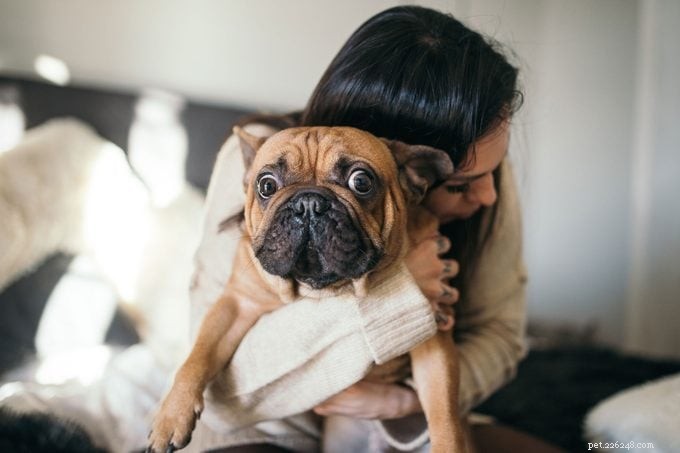
Most dogs perceive a hug as restraint. If your pup leans into you, a quick embrace is fine, but release immediately if he wriggles or pulls away. Avoid initiating hugs unless the dog signals first.
3. Teasing With Toys
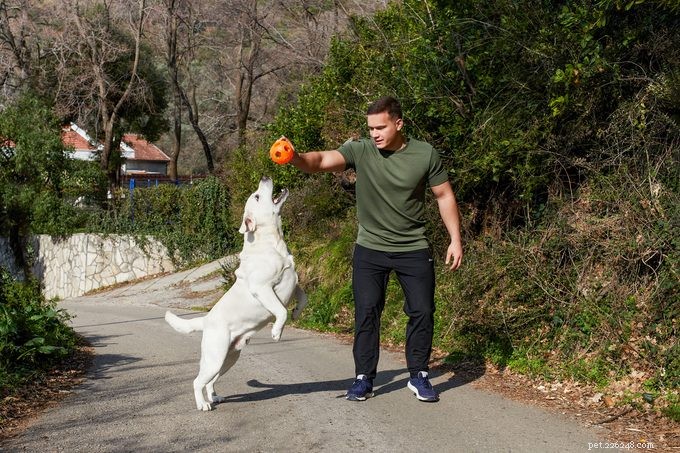
Dogs don’t understand playful deception. A fake throw confuses them and erodes trust. Always deliver the toy or ball when you make the throwing motion, and let the dog have it when he reaches.
4. Speaking at Length
Dogs grasp only a handful of words. Long monologues, even in a calm tone, can irritate them. Use concise commands like sit, stay, and down, and pair them with clear hand signals.
5. Speaking Louder Than Needed
High‑volume speech feels like aggressive barking to dogs. Loud voices can frighten them, causing fear or withdrawal. Keep your tone moderate and reward good behavior instead of yelling.
6. Inconsistent Routines
Dogs thrive on predictability. A 2021 study in Applied Animal Behaviour Science linked irregular schedules to increased chewing and accidents. Stick to consistent meal, walk, and play times.
7. Changing Rules Randomly
Fluctuating house rules confuse dogs. If your dog is allowed on the couch, let him stay that way, regardless of guests. Consistency across all family members prevents uncertainty.
8. Leaving Your Dog Alone for Hours

Extended isolation can lead to boredom and destructive behavior. Consider a dog walker or interactive toys to keep him engaged during work hours.
9. Interrupting Sleep
Dogs need 12–20 hours of sleep, depending on age. Waking them abruptly disrupts recovery and can cause moodiness. Let them rest until they wake naturally.
10. Rushing Walks
Dogs explore via scent; a hurried walk denies them enrichment. Slow down, let them sniff, and allocate dedicated time in your schedule for full walks.
11. Dressing Up Your Dog

Most dogs tolerate clothing, but many dislike it. Introduce outfits gradually—sniff, treat, short wear, treat, then longer wear—ensuring the attire doesn’t impede movement or comfort.
12. Wearing Strong Fragrances

Dogs’ noses can detect scents hundreds of millions of times stronger than ours. Perfume or cologne can overwhelm them or mask your natural scent, causing confusion or avoidance. Skip strong fragrances when spending time together.
Why Trust Us
Reader’s Digest publishes content vetted by field experts. JoAnna Pendergrass’s veterinary experience and Wailani Sung, DVM, DACVB, PhD’s behavioral expertise ensure accuracy and relevance. We continually verify facts and update our articles.
Sources
- Karen Todd‑Jenkins, VMD – interview, April 3, 2024
- Physiology and Behavior: “Artificially elevated oxytocin concentrations in pet dogs are associated with higher proximity‑maintenance and gazing towards the owners”
- American Veterinary Medical Association: “Human‑animal interaction and the human‑animal bond”
- Animals (Basel): “Canine olfaction: physiology, behavior, and possibilities for practical applications”
- Applied Animal Behaviour Science: “Chewing behaviour in dogs: A survey‑based exploratory study”
- Pet Behavior
- Pet Breeds
- Pet Names
- Pet Adoption
- Pet Training
- Pet Information
- Pet Health
- Adorable Pets
- Dogs
- When a Fox Goes on a Weekend Zoomie—Why We All Love This Playful Moment
- Florida’s Common Spiders: What to Know About the 7 Most Frequent Species
- Pawp Review: Is the Online Vet Service Worth It for New Puppy Parents?
- Do Your Dogs Show Signs of Jealousy? Understanding Canine Envy
- Dog Safety in Water: Hidden Pool Hazards Every Owner Should Know
- Pro Guide: Train Your Newly Adopted Dog in Weeks
- Understanding Why Some Cats Dislike Belly Rubs