

19 Plants That Are Poisonous to Dogs – A Vet‑Backed Guide
Poisonous Plants and Your Pup
Indoor and outdoor plants can brighten a home, but many are harmful to dogs. Knowing which plants pose a danger—and having safer alternatives—helps protect your furry friend.
With guidance from veterinarians, this list highlights the most common toxic plants and offers dog‑friendly substitutes. If your dog has ingested any of these plants, contact your vet or the Animal Poison Control Center at 1‑888‑426‑4435 immediately.
Stay informed and keep your pet safe. Subscribe to Reader’s Digest’s Read Up newsletter for pet care tips, travel, tech, and more.
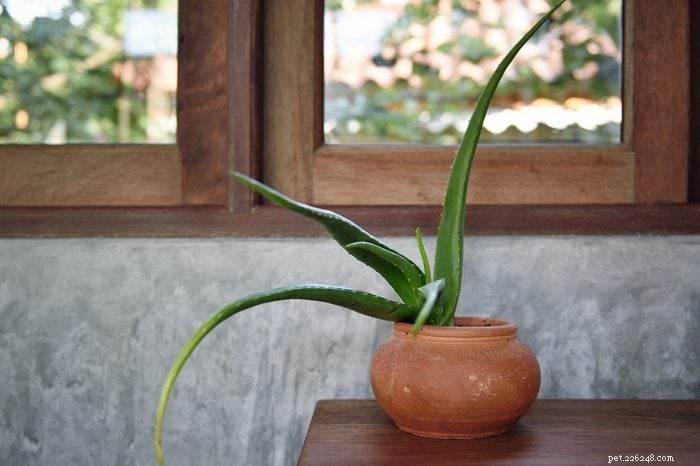 Aloe Vera
Aloe vera
Toxic components: Saponins and anthraquinones
Although aloe’s soothing gel is popular for skin care, the plant’s leaves contain saponins and anthraquinones, which can cause vomiting, diarrhea, and lethargy in dogs. Keep the plant elevated—such as on a high shelf—so your pup cannot reach it.
Safe alternative: Zebra Haworthia (Haworthiopsis attenuata) offers a similar aesthetic without the risk.
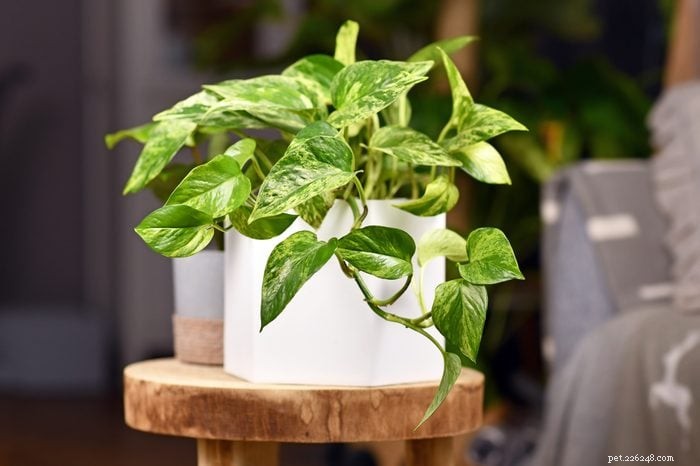
Golden Pothos
Epipremnum aureum
Toxic component: Insoluble calcium oxalates
Golden pothos releases calcium oxalate crystals that irritate the mouth and throat, leading to drooling, vomiting, and difficulty swallowing. Severe cases may cause intense oral pain.
Safe alternative: The Prayer Plant (Maranta leuconeura) offers lush foliage and is non‑toxic to dogs.
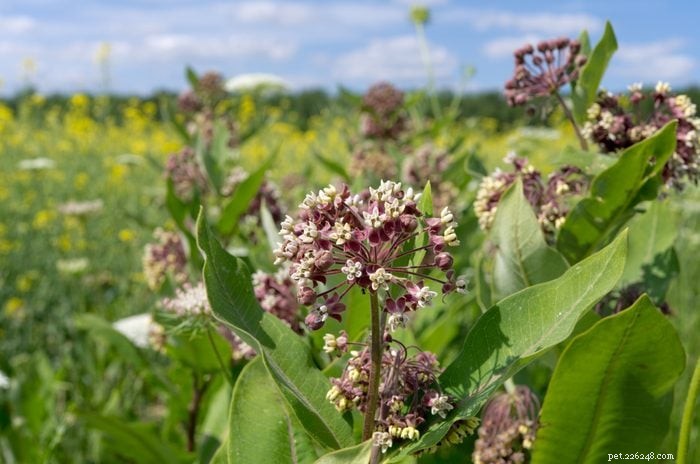
Milkweed
Asclepias
Toxic components: Cardiotoxins and neurotoxins
Milkweed can disrupt cardiac and neurological function in dogs, causing weakness, vomiting, and in severe cases seizures or organ failure. Keep this plant outdoors or out of reach.
Safe alternative: Baby’s Breath (Gypsophila paniculata) provides delicate blooms without the toxicity.
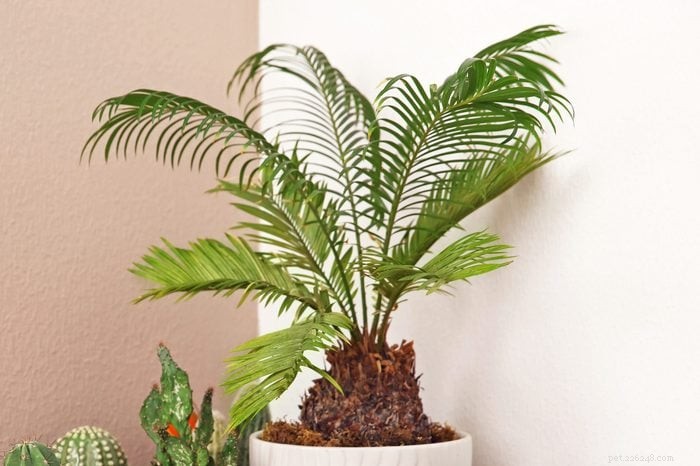
Sago Palm
Cycas revoluta
Toxic component: Cycasin
Ingesting any part of the sago palm can cause severe vomiting, diarrhea, tremors, and potentially liver failure. Even a single seed can be lethal.
Safe alternative: The Parlor Palm (Chamaedorea elegans) offers similar elegance and is safe for dogs.
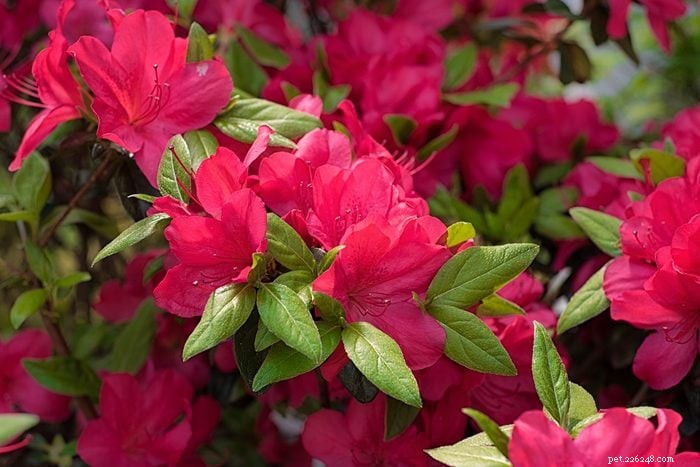
Azaleas
Rhododendron
Toxic component: Grayanotoxin
All parts of azaleas are poisonous, leading to vomiting, diarrhea, muscle weakness, heart rhythm disturbances, and potentially fatal cardiovascular collapse.
Safe alternative: A pink‑hued Bromeliad delivers vibrant color without the danger.

Tulips
Tulipa
Toxic components: Tulipalin A and B
Tulip leaves, stems, and bulbs contain compounds that can cause vomiting, diarrhea, excessive salivation, and depression in dogs.
Safe alternative: Gerbera Daisies (Gerbera jamesonii) offer a colorful spring display and are non‑toxic.
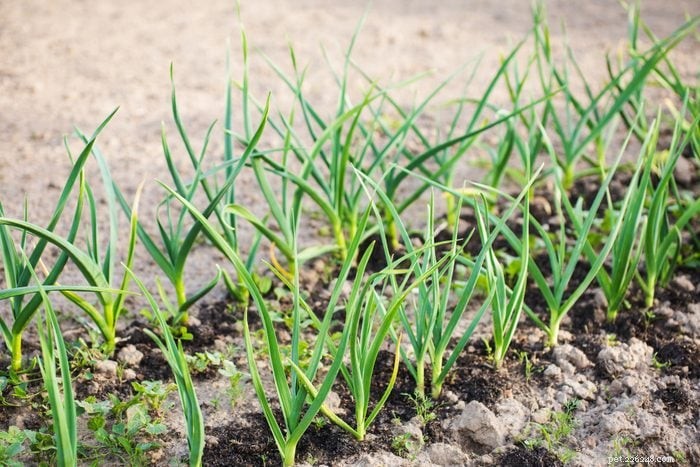
Garlic and Onion
Allium sativum and Allium cepa
Toxic component: N‑propyl disulfide
Allium species can trigger hemolysis, destroying red blood cells and causing weakness, rapid breathing, and dark urine. Prompt veterinary care, often including blood transfusion, is essential.
Safe alternative: Basil (Ocimum basilicum) is herbaceous, easy to grow, and safe for dogs.
Dumb Cane
Dieffenbachia
Toxic components: Calcium oxalate crystals and proteolytic enzymes
Ingesting dumb cane can lead to mouth and throat swelling, intense oral pain, drooling, and even skin irritation if the sap contacts skin or eyes.
Safe alternative: Money Tree (Pachira aquatica) offers broad, green leaves and is dog‑friendly.
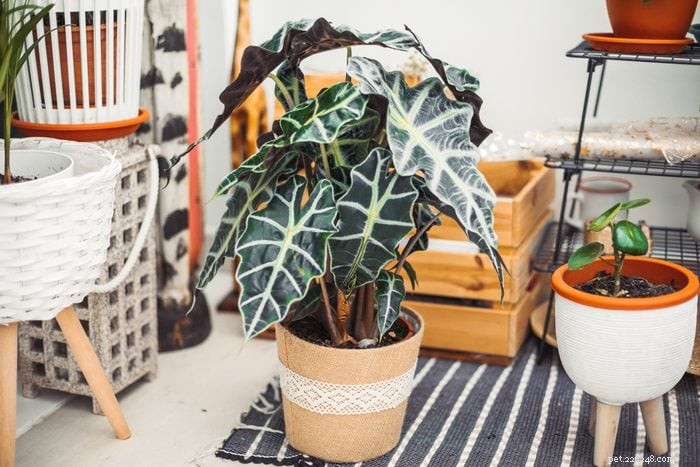
Elephant’s Ear
Alocasia
Toxic component: Calcium oxalates
Calcium oxalate crystals in this striking plant can cause severe oral irritation and systemic symptoms if ingested. Contact a vet immediately if your dog shows signs of distress.
Safe alternative: Calathea Pinstripe (Calathea spp.) provides a similar tropical look and is safe for pets.
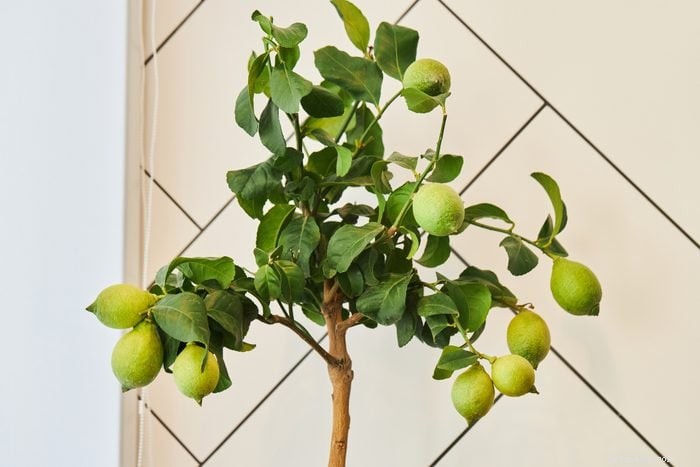
Citrus Plants and Peels
Rutaceae family
Toxic components: Essential oils and psoralens
Leaves, stems, and fruit peels of citrus plants can irritate a dog’s skin and mucous membranes. Symptoms are usually mild but can include rash or oral irritation.
Safe alternative: The Musa Dwarf Cavendish banana tree (Musa acuminata) offers fruit and is non‑toxic to dogs.
Oleander
Nerium oleander
Toxic component: Cardiac glycosides
Oleander ingestion can cause vomiting, diarrhea, lethargy, and severe cardiac arrhythmias that may be fatal. Immediate veterinary treatment is critical.
Safe alternative: Crepe Myrtle (Lagerstroemia indica) offers similar foliage and is safe for dogs.
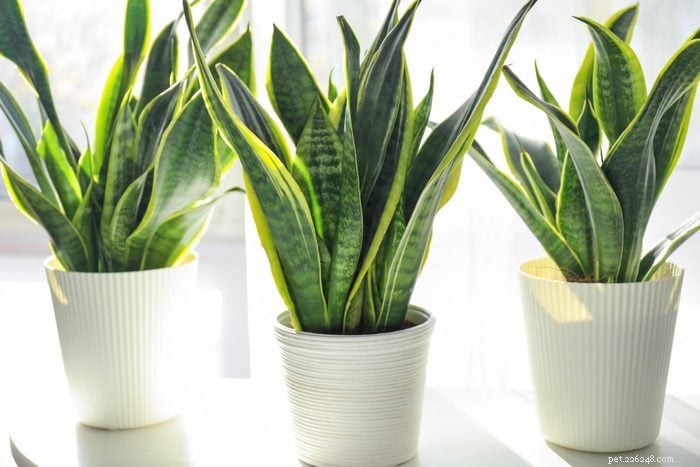
Snake Plant
Sansevieria trifasciata
Toxic component: Saponins
Snake plant consumption can induce nausea, vomiting, and diarrhea. Prompt veterinary assessment is advised if your dog shows symptoms.
Safe alternative: Calathea Rattlesnake Plant (Calathea zebrina) provides similar texture and is pet‑safe.
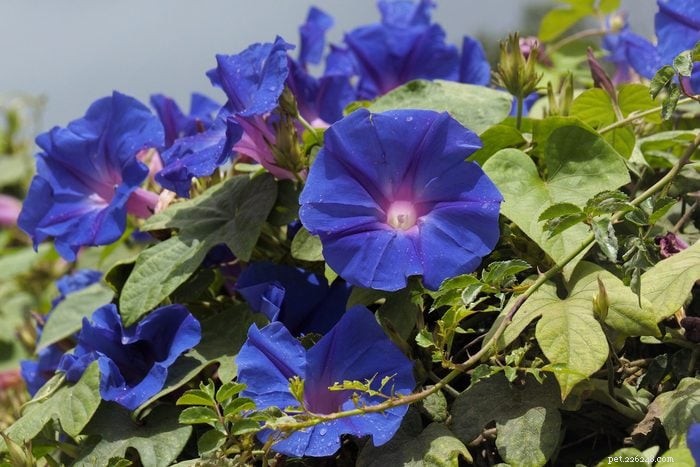
Morning Glory
Ipomoea
Toxic component: Indole alkaloids
Seeds and other parts of morning glories can cause vomiting, nausea, pupil dilation, hallucinations, and liver failure in dogs.
Safe alternative: Petunias (Petunia spp.) deliver vibrant flowers without the risk.
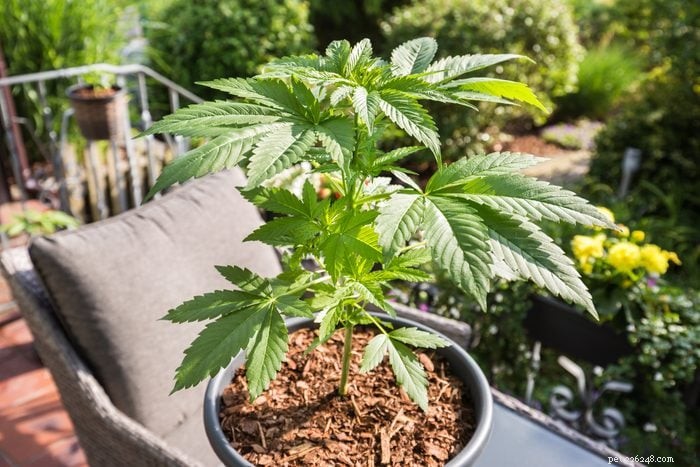
Marijuana
Cannabis sativa
Toxic component: Delta‑9‑THC
Even small amounts of marijuana can cause lethargy, tremors, and urinary incontinence in dogs; larger doses, especially when combined with chocolate, can lead to seizures or coma.
Safe alternative: For therapeutic benefits, consult your vet about pet‑safe CBD products. Store all marijuana products securely out of reach.
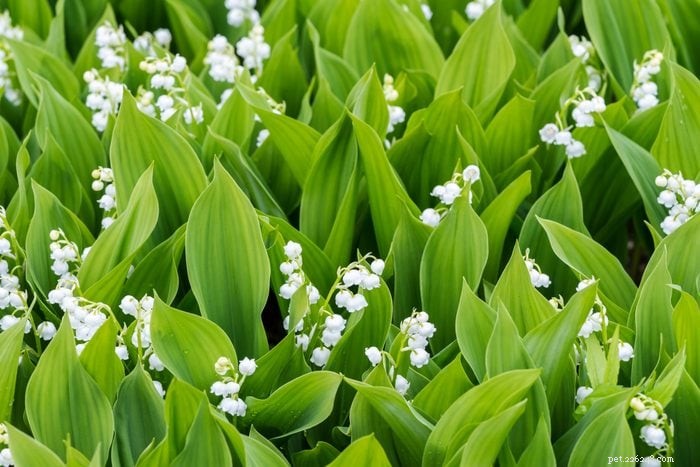
Lily of the Valley
Convallaria majalis
Toxic component: Cardenolides
Ingestion can lead to vomiting, irregular heartbeat, confusion, seizures, and potentially coma. Seek immediate veterinary care if suspected.
Safe alternative: Orchids (Orchidaceae) provide delicate blooms and are safe for dogs.
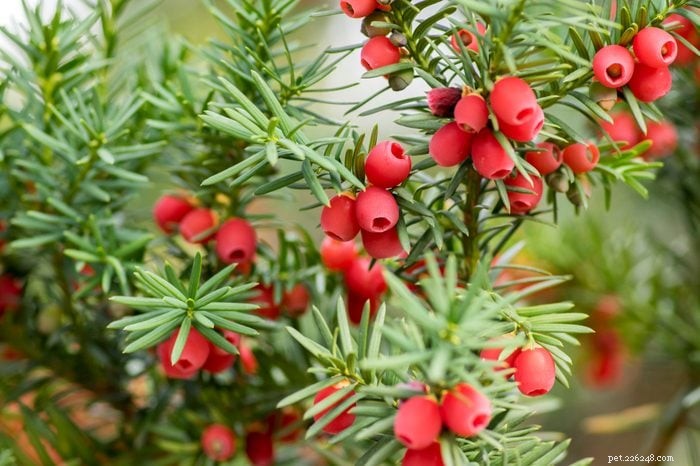
Yew
Taxus
Toxic component: Taxine
All parts of yew can cause sudden death, trembling, muscle weakness, breathing difficulty, and heart arrhythmias. Rapid veterinary intervention—including decontamination and supportive therapy—is essential.
Safe alternative: Hawthorn (Crataegus spp.) offers a similar shrub aesthetic and is dog‑friendly.
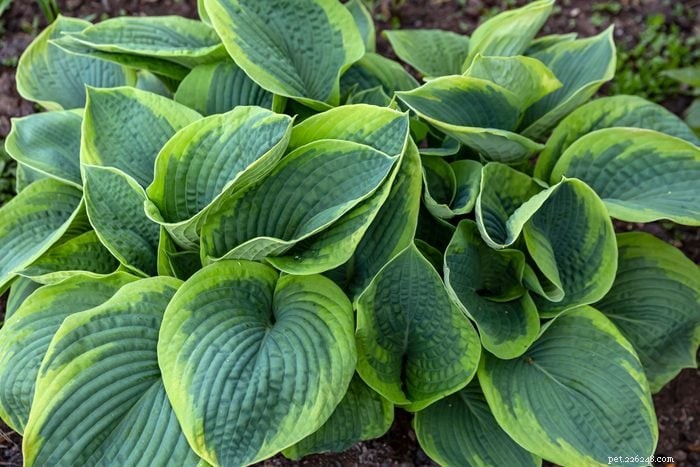
Plantain Lily
Hosta
Toxic component: Saponins
All parts of hosta can cause gastrointestinal distress and skin irritation. Contact a vet if your dog ingests any portion.
Safe alternative: Spider Plant (Chlorophytum comosum) offers lush foliage and is safe for dogs.
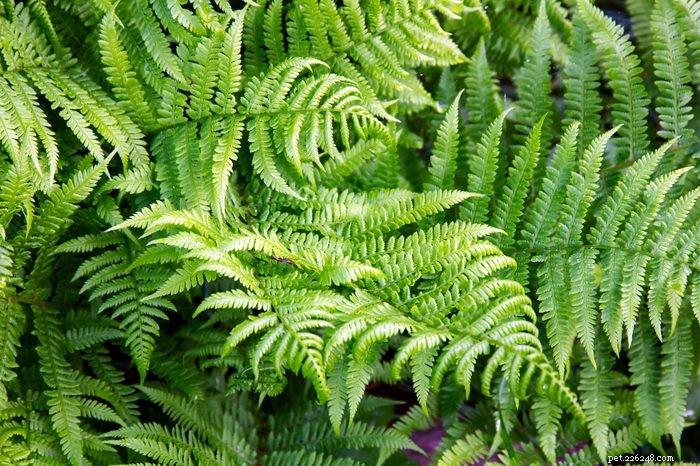
Bracken Fern & Emerald Fern
Pteridium aquilinum & Asparagus densiflorus
Toxic component: Sapogenins
These ferns can cause vomiting, diarrhea, abdominal pain, and skin inflammation. The emerald fern is among the most toxic ferns.
Safe alternative: Autumn Fern (Adiantum spp.) provides a lacy look and is pet‑safe.
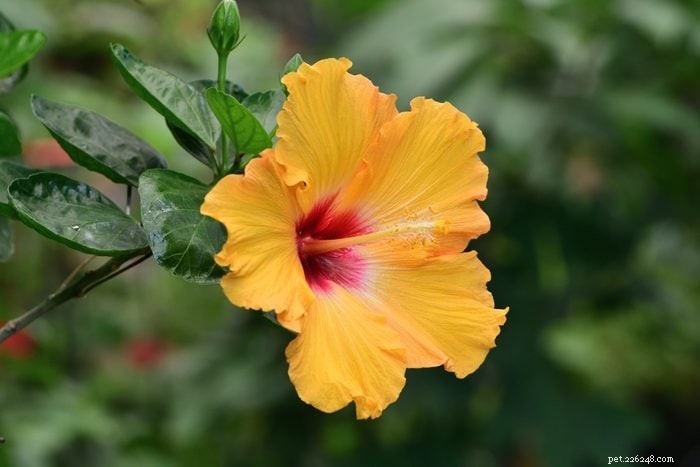
Hibiscus
Malvaceae
Toxic component: Asparagine
All parts of hibiscus are toxic, potentially causing vomiting, diarrhea, burns, and blisters in the digestive tract.
Safe alternative: Canna Lily (Canna spp.) offers beautiful blooms and is non‑toxic; avoid Calla Lilies (Canna spp.) as they contain toxins.
General Care
If your dog has ingested any of the plants listed above, contact your veterinarian or the ASPCA Animal Poison Control Center (1‑888‑426‑4435) immediately. Do not induce vomiting unless instructed by a professional, as some toxins may already be absorbed.
Sources
- Christie Long, DVM, Modern Animal, West Hollywood, CA
- Shelly Zacharias, DVM, Gallant, Vice President of Medical Affairs
- Maria Botinas, DVM, IndeVets, Florida & Texas
- ASPCA: Animal Poison Control
- ASPCA: Poisonous Plants
- Pet Behavior
- Pet Breeds
- Pet Names
- Pet Adoption
- Pet Training
- Pet Information
- Pet Health
- Adorable Pets
- Dogs
- Recognizing Pain in Dogs: Essential Signs & Symptoms
- Understanding Dog Eye Discharge: Causes, Symptoms, and When to Seek Veterinary Care
- The Ultimate Guide to Owning a Shetland Sheepdog in Singapore
- How to Stop Your Puppy From Biting Your Clothes While Walking: Training Tips
- Is It Normal for Cats to Sleep in Their Litter Box? What You Need to Know
- Lipomas in Dogs: Understanding Benign Fat Tumors and Their Risks
- Adorable Cat Sploots: Heartwarming Feline Poses That Will Melt Your Heart