

Could My Puppy Become a Guide Dog? A 6‑Year Guide to Success and Alternatives
This post may contain affiliate links. We may earn money or products from the companies mentioned in this post.
We began raising guide dog puppies with a simple mission: to make a meaningful difference in the lives of visually impaired people. While we never set out to change the world, we did commit to transforming the life of at least one individual.
When I first decided to become a puppy raiser, the process seemed straightforward:
- Raise and train a 7‑week‑old puppy for Guide Dogs of America (GDA) until it is 18 months old.
- Return the pup to GDA for a 6‑month period of formal training.
- After those six months, return to GDA for graduation, to reunite with the now‑working guide dog and its new handler.
It sounded simple—until it wasn’t.
Does Your Puppy in Training Want to Be a Guide Dog?
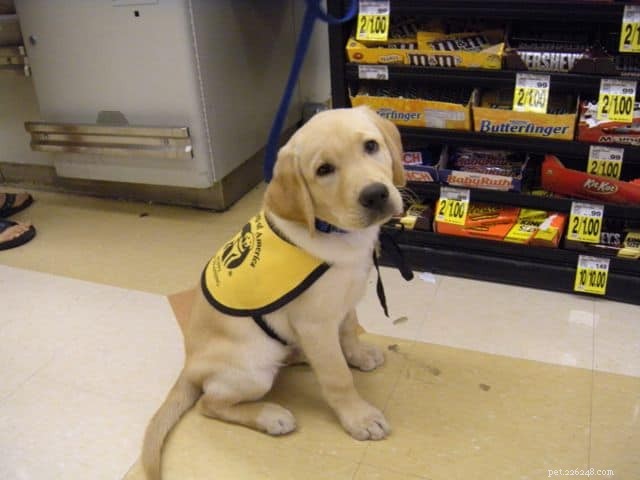
Dublin was the first of our pups to graduate in April, and it took nearly six years to reach that milestone. According to GDA, roughly 40% of puppies in training go on to become working guide dogs, meaning about 60% are ultimately dropped from the program.
Guide dog trainers consistently emphasize that each pup has its own preference. Some dogs thrive in the demanding role, while others exhibit signs of stress during the rigorous 6‑month training. The stakes are high—these dogs will be making life‑changing decisions for their handlers.
We’ve had three of our puppies dropped from the program:
- Stetson – Removed after 2 months of formal training because he was deemed too soft.
- Derby – Dropped after 12 months due to difficulty focusing in new situations.
- Dublin – Successfully graduated and is now a working guide dog.
- Apache – Left formal training after a few weeks because he did not pass the health screenings.
Not every dog is suited to guide work, but many find fulfilling careers elsewhere. For example, Apache transitioned to a service dog program called Canine Support Teams, and others have moved into search and rescue.
Fenton, a Former Guide Dog Puppy
A recent viral video of Fenton the black Labrador Retriever sparked conversation. Fenton was a dropout from a guide dog program and has since found a new role as a herding dog. Puppies with a high prey drive often struggle with the demands of guide work; imagine a guide dog suddenly chasing a squirrel in the field!
While Fenton’s path diverged from the original plan, he appears to thrive as a family pet with plenty of exercise and affection.
Have you raised a career‑changed guide or service dog? Why did your dog decide to change careers? Share your experience in the comments below.
Top Picks for Our Puppies
- Best Dog Chew
We recommend Beef Collagen Sticks—our pups love biting, and collagen helps divert unwanted chewing behavior. - Best Puppy Toy
We recommend Calmeroos Puppy Toy with Heartbeat and Heat Packs—ideal for easing anxiety during the first weeks at home. - Best Dog Treats
We use Crazy Dog Train‑Me Treats as high‑value rewards during guide dog training. - Best Fresh Dog Food
We recently started feeding Raven Fresh Dog Food to Raven, and she loves it! Get 50% off your first order of The Farmer’s Dog.
Check out more of our favorites on our New Puppy Checklist.
Post navigation
- Pet Behavior
- Pet Breeds
- Pet Names
- Pet Adoption
- Pet Training
- Pet Information
- Pet Health
- Adorable Pets
- Dogs
- Discover the Unique Manx Cat: Tail Variations & Island Heritage
- Millie – The Heartwarming Ragdoll of the Week
- Azithromycin for Cats: Safe Dosage, Usage, and Side‑Effect Guide
- 7 Common Ways Dogs Contract Worms & How to Prevent It
- Is Ear Piercing Safe for Dogs? Professional Insights
- Managing Pain in Dogs: Safe Medication and Veterinary Guidance
- Professional Yorkie Haircut Guide: Groom Your Girl with Confidence