

Best Time to Spay or Neuter Your Dog (2026 Guide)
Deciding when to spay or neuter your dog can feel overwhelming. The ideal age varies by breed, size, health, and lifestyle. This guide explains the science, outlines benefits and risks, and provides practical tips for preparing and caring for your pet before and after surgery.
What Are Spay and Neuter?
Spaying (ovariohysterectomy) removes a female dog’s ovaries and uterus, while neutering (orchiectomy) removes the testicles of a male. Both procedures prevent unwanted litters and help control the overpopulation crisis. In the United States, the ASPCA estimates that 7.6 million pets enter shelters annually, and about 31 % of dogs are euthanized.

Benefits of Spaying/Neutering
- Cancer prevention: Eliminates the risk of ovarian, uterine, testicular, and most mammary cancers.
- Reduced prostate problems: Lowers the chance of enlargement, infections, and prostate cancer in males.
- Decreased roaming and fighting: Intact males often wander in search of mates, increasing injury risk.
- Elimination of pyometra: A life‑threatening uterine infection that affects unspayed females.
- Fewer urine‑marking and sexual behaviors: Spaying/neutering curbs instinctual behaviors that can become learned.
Behavior Myths
Spaying or neutering does not automatically calm a dog, stop aggression, or eliminate humping. It primarily reduces sexual motivations. If a behavior has become a habit, surgery alone won’t erase it.

When Is the Right Time?
Recent research shows that early removal of sex hormones can increase the risk of obesity, urinary incontinence, certain cancers, immune disorders, joint problems, and cognitive issues. The optimal age therefore depends on breed and size.
The 2024 Hart et al. study provides breed‑specific minimum ages for gonadectomy. Below is a summary table; “Your Choice” means the study found no evidence requiring a delay beyond six months, but individual health and circumstances still matter.
| Breed | Male (min age) | Female (min age) |
|---|---|---|
| Australian Cattle Dog | 6–11 months | 6–11 months |
| Australian Shepherd | Your Choice | Your Choice |
| Beagle | 12–23 months | Your Choice |
| Bernese Mountain Dog | 24+ months | Your Choice |
| Border Collie | 12–23 months | Your Choice |
| Boston Terrier | 12–23 months | Your Choice |
| Boxer | 24+ months | 24+ months |
| Cavalier King Charles Spaniel | Your Choice | Your Choice |
| Chihuahua | Your Choice | Your Choice |
| Cocker Spaniel | 6–11 months | 24+ months |
| Collie (rough/smooth) | Your Choice | 12–23 months |
| Corgi | 6–11 months | Your Choice |
| Dachshund | Your Choice | Your Choice |
| Doberman Pinscher | Leave Intact | 24+ months |
| German Shepherd | 24+ months | 24+ months |
| Golden Retriever | 12–23 months | Leave Intact |
| Great Dane | Your Choice | Your Choice |
| Labrador Retriever | 6–11 months | 12–23 months |
| Miniature Schnauzer | Your Choice | Your Choice |
| Newfoundland | 12+ months | 12+ months |
| Pomeranian | Your Choice | Your Choice |
| Poodle (Toy) | Your Choice | Your Choice |
| Poodle (Miniature) | 12–23 months | Your Choice |
| Poodle (Standard) | 24+ months | Your Choice |
| Rottweiler | 12–23 months | 6–11 months |
| Siberian Husky | 6+ months | 12+ months |
| Yorkshire Terrier | Your Choice | Your Choice |
| Mixed – Small | Your Choice | Your Choice |
| Mixed – Medium | Your Choice | Your Choice |
| Mixed – Large | 11–22 months | 11–22 months |
| Mixed – Giant | 23+ months | 11+ months |
Always discuss your dog’s specific situation with a veterinarian before deciding.
Early (Pediatric) Neutering – < 6 months
Pros: Prevents unwanted litters and reduces early sexual behaviors. Cons: Higher incidence of orthopedic issues (e.g., cranial cruciate ligament tears) and possible links to certain cancers. Consider breed size—large breeds benefit from waiting until growth plates close.

Adolescent Neutering – 6–18 months
This window aligns with sexual maturity. It balances reduced breeding risk with still‑developing joints. However, some sexual behaviors may have become learned, making them harder to modify later.
Adult Neutering – >18 months
Neutering after full physical maturity minimizes orthopedic and hormonal risks while still preventing reproduction. This is often considered the safest timing for most breeds.
Factors to Weigh When Choosing an Age
- Breed & size: Small dogs mature faster (≈9–12 months); large and giant breeds mature 18–24 months or later.
- Genetics: Family history of pyometra, hip dysplasia, or hormone‑related cancers influences timing.
- Health status: Existing conditions or medications may require earlier or later surgery.
- Living environment: Dogs that roam or live outdoors benefit from earlier sterilization.
- Surgical options: Traditional gonadectomy vs. hormone‑sparing techniques (e.g., vasectomy, ovary‑sparing spay).
Potential Risks & Complications
Complications are uncommon but can include infection, incision opening, seroma (fluid build‑up), hernia, or urinary incontinence. Following post‑operative instructions—restricted activity, incision monitoring, and pain management—greatly reduces these risks.
Preparing for Surgery
Choose a veterinarian you trust. Look for credentials, clean facilities, good communication, and emergency support. Here’s a quick checklist:
- Ask for recommendations from friends, family, or local shelters.
- Read online reviews and verify the vet’s license.
- Visit the clinic beforehand to assess cleanliness and staff demeanor.
- Confirm the services offered (preventive care, surgery, pain management).
- Check hours, location, and emergency availability.
- Discuss costs and payment options.
- Observe the vet’s interaction with your dog—look for calm, gentle handling.
- Trust your instincts; choose a clinic you feel comfortable with.

Pre‑Surgery Checklist
Based on advice from Dr. Kelly Diehl (Morris Animal Foundation):
- No food after 8 pm the night before (water is usually allowed).
- Light walk before the appointment—avoid mud and swimming.
- Vaccinations up‑to‑date (except emergencies).
- Medication review—inform the clinic of all drugs, supplements, and flea/tick preventives.
- Bring a familiar muzzle or harness if your dog is accustomed to one.
- Post‑op instructions—ensure you receive clear guidance on monitoring, pain meds, and when to call the vet.

After Surgery: Care Tips
Recovery typically lasts 7–10 days. Follow these steps to promote healing:
- Restrict activity: No running, jumping, or stairs.
- Provide a quiet, comfortable space: Keep the dog away from other pets and children.
- Check the incision daily: Look for redness, swelling, discharge, or foul odor.
- Use an e‑collar: Prevent licking or chewing of the wound.
- Administer prescribed pain meds: Never give human medication.
- Monitor overall behavior: Note changes in appetite, energy, or bathroom habits.

When to Call the Vet
- Excessive swelling, redness, or discharge.
- Incision opens or stitches pull out.
- Severe pain despite medication.
- Persistent vomiting, diarrhea, or loss of appetite >24 hours.
- Lethargy lasting more than 48 hours.
- Difficulty urinating or defecating.
Making the Decision
Choosing to spay or neuter should involve a thoughtful discussion with your veterinarian, breeder (if applicable), and possibly a professional trainer. Understanding the health benefits, potential risks, and breed‑specific timing will help you make the best choice for your dog’s long‑term wellbeing.
If you need personalized advice, feel free to reach out or explore the Rebarkable Spay & Neuter Information Center.
Further Reading
- Aggression toward Familiar People, Strangers, and Conspecifics in Gonadectomized and Intact Dogs
- An Update on the Health Effects of Spay/Neuter in Dogs
- Are There Behavior Changes When Dogs Are Spayed or Neutered?
- Canine Ovariohysterectomy and Orchiectomy Increases the Prevalence of ACL Injury
- Determining the Optimal Age for Gonadectomy of Dogs and Cats
- Long‑Term Health Effects of Neutering Dogs: Comparison of Labrador Retrievers with Golden Retrievers
- Vasectomy and Ovary‑Sparing Spay in Dogs: Comparison of Health and Behavior Outcomes
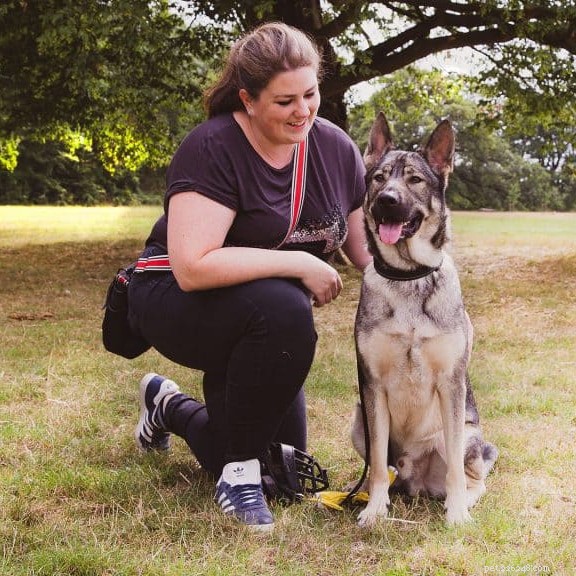
About the Author
Ali Smith is a multi‑award‑winning dog trainer and founder of Rebarkable. Based in Maryland, USA, she promotes force‑free, compassionate training methods and provides resources to help dog guardians make informed, humane choices for their pets.
Ali lives with her husband and three dogs.
- Pet Behavior
- Pet Breeds
- Pet Names
- Pet Adoption
- Pet Training
- Pet Information
- Pet Health
- Adorable Pets
- Dogs
- Master Dog Training: Shape Desired Behaviors Effectively
- Top 7 Causes of Dog Bad Breath: What You Need to Know
- Become a Trusted Feline Foster Parent: A Step‑by‑Step Guide
- Effective Home Remedies for Treating Dog Constipation
- Cooper’s Journey: Overcoming Allergies and Embracing Change
- Discover 11 Iconic Portuguese Dog Breeds – Photos & Facts
- Top Small Pets for Families: How to Choose the Perfect Companion