

Are Peas Safe for Dogs? Expert Guide on Benefits & Risks
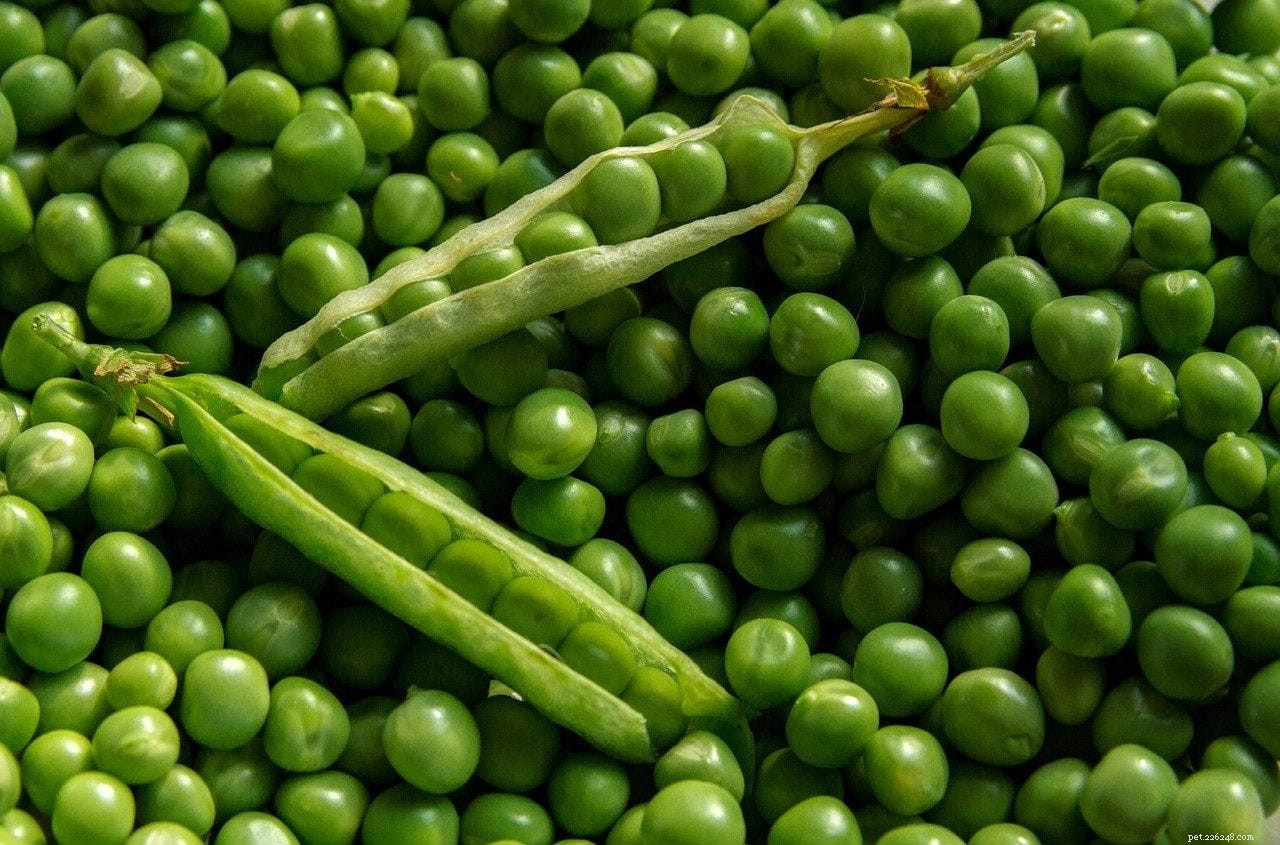
Peas are a common food in many homes because they are inexpensive and go with a wide variety of dishes, so it’s common to wonder if it is healthy for our dogs to eat them as well. The short answer is yes. Your dog can eat peas, and they can be very healthy. However, there are a few ways you shouldn’t feed them. Keep reading while we go over the benefits of eating peas, as well as any health risks that might be present. We’ll also discuss the best way to feed peas and how often you should provide them.

Are Peas Bad For My Dog?
Canned Peas
Most experts recommend avoiding canned peas because most brands have too much sodium added to the can. Too much salt can lead to bloating, excessive thirst, and several other problems. Canned peas can also contain other chemicals and preservatives that might be harmful to your pet’s health. It’s better to stick to fresh produce when choosing peas for your dog.
Pea Pods
While pea pods can be a tasty addition to a human meal or salad, they are a potential choking hazard for your dog. Smaller dog breeds are more at risk of choking, but it can occur in any size dog, so we recommend sticking to only the pea fruit and leaving the pods for humans.
Purines
Peas contain purines which turn into uric acid that needs to be filtered by the kidneys, and too much uric acid can lead to kidney stones. Dogs with kidney disease should avoid eating peas due to the purines they contain, but healthy dogs shouldn’t experience any problems.

Are Peas Good for My Dog?

Vitamins and Minerals
Peas contain plenty of vitamins and minerals that are essential to your pet’s health and well-being. Vitamins like A, B, and K help boost the immune system, improve eyesight, and allow blood clotting. Minerals like iron, zinc, potassium, and magnesium help your dog’s body develop properly.
See our full list of human foods your dog can eat here!
Protein
Peas are a great source of protein, and many dog food brands add them for that reason. It’s an inexpensive way to provide your pet with energy and the building blocks for strong muscles. Most experts recommend feeding your dog a diet that contains at least 18% protein, so any foods that contain protein will help you reach that goal.
Fiber
Peas are high in fiber which can help your dog stay regular and less likely to experience constipation and diarrhea. Fiber will also help your dog feel full longer, and it will be less likely to look for snacks between meals.
Low Sugar
Peas are low in sugar, which makes them a great choice for a pet experiencing weight problems. Obesity is a major concern in America and worldwide, with some experts suggesting as many as 45% of dogs more than five years old are overweight. Obesity can cause several health problems for your dog, including cardiovascular disease, kidney disease, and diabetes.
How Do I Feed Peas to My Dog?
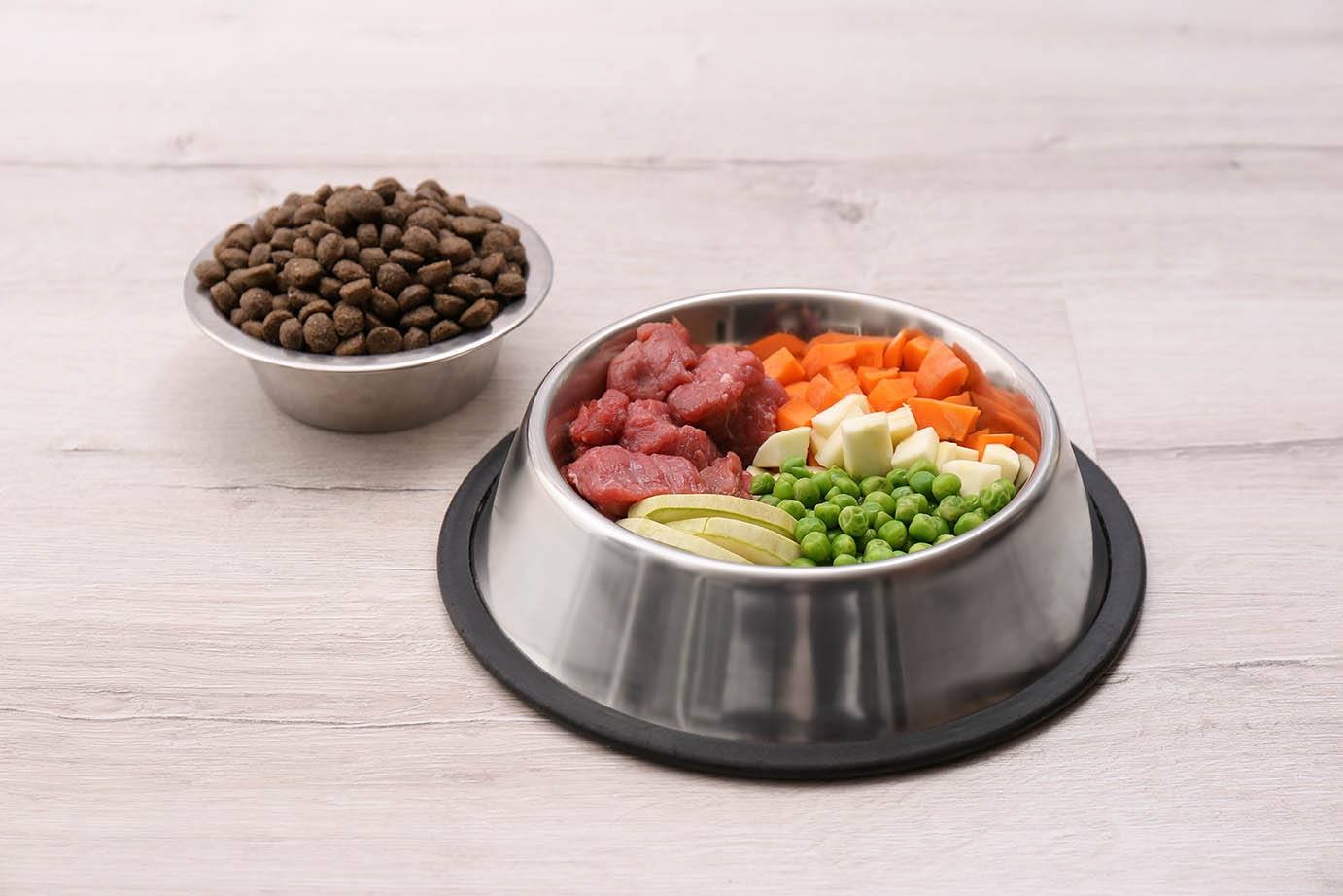
We recommend feeding freshly grown peas that you’ve grown in your garden. If you don’t have a garden, you can purchase fresh beans in the grocery store. In either case, you will need to remove the peas from the pod and discard it. You can feed your pet a bowl of peas, or you can mix it into their regular food so it can get the health benefits. As long as your pet doesn’t have kidney disease, you don’t need to worry about how much you feed, and you can provide it as often as you want. Frozen peas make a great treat on a hot summer day.
Summary
We recommend adding peas to your pet’s diet as long as its kidneys are healthy. There is no limit to how much it can eat or how often. If they eat too many in one sitting, the high fiber content could cause your pet to experience mild diarrhea. If you notice loose stools, we recommend cutting back on the peas for a few days.
We hope you have enjoyed reading over this discussion about the safety of this popular dog food ingredient. If we have added a new food to your pet’s diet, please share this guide to feeding your dog peas on Facebook and Twitter.
- Can Dogs Eat Alfalfa? What You Need To Know!
- Can Dogs Eat Cherries? What You Need to Know!
- Can Dogs Eat Jicama? What You Need To Know!
- Pet Behavior
- Pet Breeds
- Pet Names
- Pet Adoption
- Pet Training
- Pet Information
- Pet Health
- Adorable Pets
- Dogs
- Is Turkey Safe for Dogs? Key Guidelines for a Healthy Holiday Treat
- Can Dogs Safely Eat Carrots? Expert Tips & Nutritional Benefits
- Can Dogs Safely Eat Eggs? A Complete Guide to Benefits & Risks
- Is Jicama Safe for Dogs? Essential Guide for Pet Owners
- Are Cherries Safe for Dogs? A Comprehensive Guide
- Can Dogs Safely Eat Kale? Expert Guide on Benefits, Risks, and Feeding Tips
- Is Alfalfa Safe for Dogs? A Comprehensive Guide