

Keeping Your Heat-Sensitive Pets Safe: Expert Tips for Summer Care
When it comes to dealing with the heat, not all pets are equally equipped. Some pets are much more vulnerable to the heat than others, which means it’s up to their pet parents to ensure that they get the care they need during the warm months of the year.
What types of pets are most heat-sensitive?
There are a few characteristics that make a pet more sensitive to heat, so it’s important to know if they fall into one of these categories.
- Brachycephalic breeds: Breeds with flat faces, such as Pugs and Persians, have difficulty taking in enough air to cool themselves down, especially in high heat and humidity, which can cause them to overheat.
- Thick coats: A pet’s coat gives them protection from the sun and can play a role in helping them regulate their temperature, but particularly thick coats can put them at risk of overheating – it’s recommended to brush them daily and make regular appointments at the groomer to keep it as thin as possible.
- Overweight: The increased insulation that fat cells provide, paired with the increased heat they produce from even mild exercise, puts them at a higher risk of overheating.
- Kittens and puppies: Young animals are not able to regulate their temperature as well as older animals and tend to exert a lot more heat due to their increased energy levels.
- Seniors: While senior pets are less likely to overexert themselves with playing or exercising than their younger counterparts, they’re more likely to have an underlying health condition such as heart or lung disease that puts them in a higher risk group.
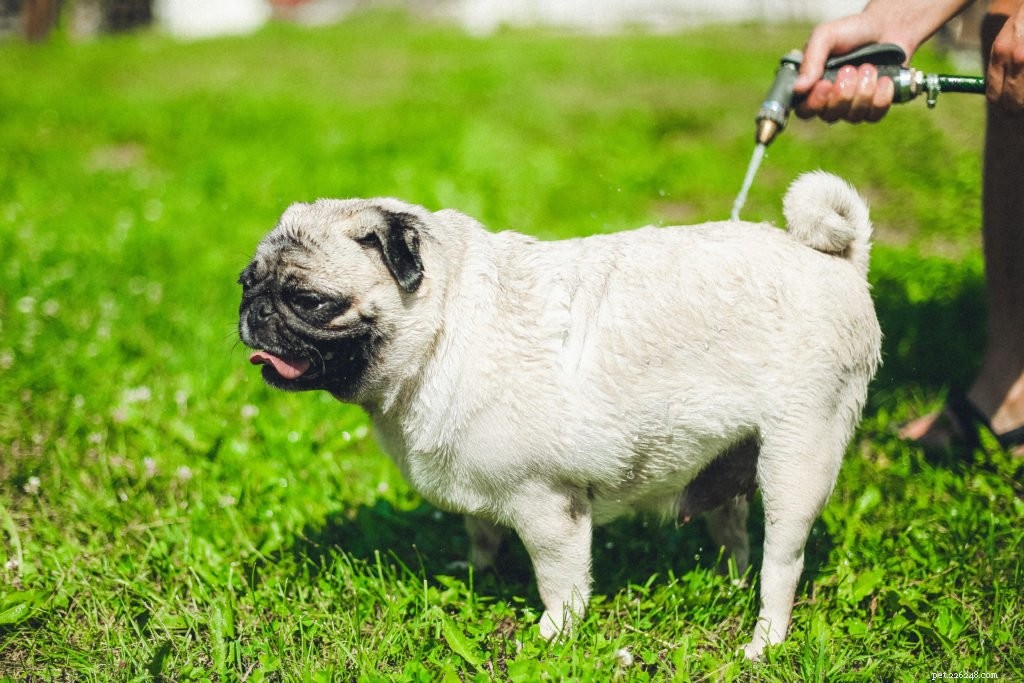
How can I keep my heat-sensitive pet cool in warm weather?
Our pets can only sweat through their paws, so they often need some assistance from their pet parents to stay cool when the temperatures soar.
- Limit exercise: On particularly hot days, try and exercise your pet before the sun comes up or after it comes down. If this isn’t possible, take the exercise inside or see if there is an indoor dog park or similar space in your community. It’s important to keep in mind that some pets are so excited for playtime they simply don’t know their limits, so it’s up to you to make sure they don’t overdo it and overheat. Regardless of where your pet is exercising, make sure they have plenty of fresh, cool water available so they can drink it as needed.
- Watch the humidity: It’s not just the temperature that you need to keep an eye on but the humidity as well. Dogs, in particular, pant to evaporate moisture from their lungs and lower their body temperature. Unfortunately, if the humidity is too high this method isn’t enough to regulate their temperature.
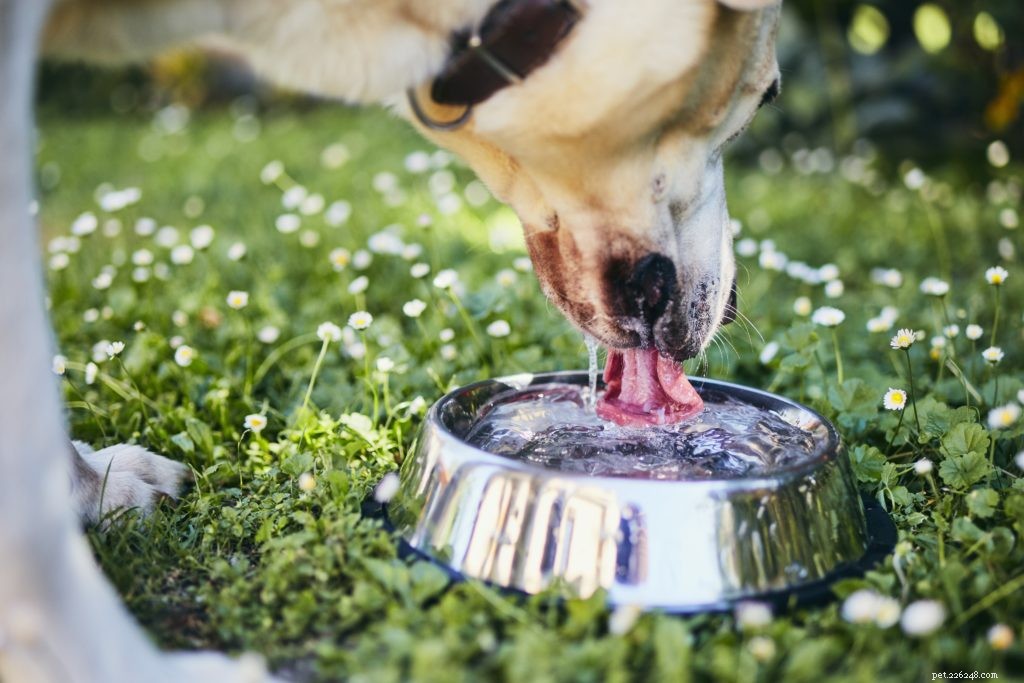
- Provide plenty of cold water: Encourage your pets to drink as much water as they can throughout the day. On particularly hot days, it’s a good idea to add ice to their water to keep it cooler for longer or use a bowl that has been previously chilled.
- Give them a place to escape the sun and heat: Whenever they spend time outside, they must have a spot where they can escape from the sun. A shady tree or even an open-sided tent that you can set up where needed are great options as they provide shelter without obstructing the flow of air.
- Invest in cooling toys and accessories: Air conditioning is a luxury that not everyone has, but fortunately, there are many toys and accessories on the market that can help cool down your pet. Adding a cooling pad on top of their regular bed or a cooling vest they can wear while on the go will do wonders to regulate their temperature throughout the day. If your pet enjoys the water and you’ve got the space, it can be fun to get a small kiddie pool for them to splash around. You can even throw in some healthy treats from Freshpet for them to fish out of the water to add an additional element of fun.
We hope that these tips will help you better care for your heat-sensitive pet this summer! If you have any concerns about your pet’s health during the warm weather, schedule an appointment with your vet – they’ll be able to put together a detailed care plan to help your pet stay healthy and cool.
- Pet Behavior
- Pet Breeds
- Pet Names
- Pet Adoption
- Pet Training
- Pet Information
- Pet Health
- Adorable Pets
- Dogs
- The Ultimate Gerbil Care Guide: Housing, Diet, and Health
- Essential Guide to Caring for Your Pet Rat: Housing, Diet & Health
- How to Care for a Pet Tarantula: Housing, Diet, and Safety Tips
- The Complete Guide to Caring for Your Pet Ferret: Housing, Diet, and Health
- Complete Guide to Caring for Your Chinchilla: Housing, Diet, and Health Tips
- Ultimate Guide to Caring for Your Pet Rabbit: Tips, Housing, Diet & Health
- Essential Guide to Caring for Your Pet Mouse