

Understanding Titer Tests: Essential for Your Pet’s Health
 I don’t have any (human) children of my own, but I’ve seen quite a bit of attention being drawn to the issue of vaccinating (or not) kids. I don’t presume to know much about what’s right when it comes to vaccinating children, as it’s a topic I never personally gave much consideration too, but I have spent a fair amount of time researching what vaccinations to give my dog. The topic of vaccinations can be a hot button topic for pet owners. Of course no one wants their pet to contract potentially deadly diseases, especially if there is a way to protect against them. But vaccinations, unfortunately, do come with some risks.
It’s been common for quite some time for veterinarians to recommend vaccinating pets yearly, but studies are now starting to show that many common vaccinations actually provide pets with disease protection for much longer than a year. This leaves many pet owners wondering if vaccinating so frequently is necessary, and if it may even be doing more harm than good. For pet owners who want to do what they can to ensure their pets are protected against disease, but who also don’t want to needlessly over vaccinate, having your vet preform yearly titer tests is an alternate option.
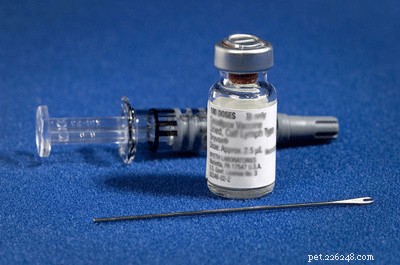 What are Titer tests? To put it simply, a titer (pronounced tight-er) test is a blood test. Your pet’s veterinarian will draw blood from your pet and then use that blood to determine if your pet currently has antibodies against certain diseases. Vet’s commonly report results from titer tests in terms such as strong, and weak. A strong titer result means that your pet his high numbers of antibodies against the disease in question. A weak titer result means that, while you’re pet does have antibodies present, they are not present in high numbers. If you opt for titer testing, your veterinarian should be able to explain your pets results and recommend a course of action. A weak titer result doesn’t necessarily mean that your pet needs to be re-vaccinated. However, if titer testing shows that your pet does not have antibodies present at all, depending on your situation it is probably a good idea to re-vaccinate your pet.
It’s important to note that, although you can run titer tests for rabies, in the US laws still requires that your pet be vaccinated against rabies. Some vets, groomers, dog sitters, etc will accept titer results in lieu of regular vaccinations, however not all do.
Veterinarians commonly run titers to check for immunity against the core diseases – parvo, hepatitis, and distemper. When non-core diseases come into question (ex. kennel cough, Lyme, Leptospirosis, etc) it’s usually recommended that, rather than run titers, the dogs lifestyle. health, and vaccine tolerance be taken into account. Depending on location and lifestyle, not all dogs are likely to come into contact with the non-core diseases. Unlike parvo and distemper, the non-core diseases also have a much higher survival rate if your dog does happen to contract them.
What do you think? Comment below! Have you ever had your veterinarian run a titer test on your dog? Would you consider it in the future?
- Pet Behavior
- Pet Breeds
- Pet Names
- Pet Adoption
- Pet Training
- Pet Information
- Pet Health
- Adorable Pets
- Dogs
- Remembering Rags: A Tribute to a Beloved Pet
- Combating Pet Obesity: A Veterinary Guide to Healthy Weight Management
- Cost-Effective Strategy to Minimize Pet Vaccinations
- Understanding Dog Nosebleeds: Causes, Symptoms, and When to Seek Veterinary Care
- Understanding Puppy Vaccinations and Vaccine Titer Tests
- Comprehensive Pet Insurance: Protect Your Furry Friends from Unexpected Vet Costs
- Essential Guide to Pet Blood Tests: Why They Matter and How to Prepare