

Betta Fish Swim Bladder Disease: Symptoms, Causes & Effective Treatment

I’ve had my betta fish, Newton and Nessie, for just over 6 months now! They are currently both doing very well. I say currently, because in December of last year we had a bit of a health scare with Nessie. I was so upset, mostly because I was afraid we were going to loose Nessie so young, compounded by the fact that I felt responsible for her ill health and was embarrassed about potentially having to tell everyone that she had passed after only 2 – 3 months of living with us.
I’m sure you’ve probably already guessed by the title of this post that Nessie had Swim Bladder Disease. The swim bladder is a gas filled organ unique to some species of fish. It’s basically like an internal sack, sort of like a balloon, that helps fish to control their buoyancy in the water.
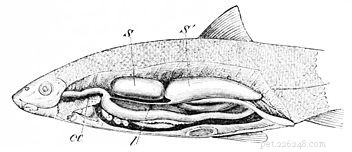
Longitudinal section of a bleak (Alburnoides bipunctatus). S: anterior, S’: posterior portion of the air bladder. Public Domain Image via Popular Science Monthly Volume 20
Swim Bladder Disease, sometimes referred to as Swim Bladder Disorder or SBD occurs when the function of the swim bladder somehow becomes disrupted. This is most commonly caused by bacterial infections, physical damage to the swim bladder, genetic defects, enlarged organs, parasites, constipation, and/or overfeeding.
When the swim bladder is somehow compromised, it impairs a fish’s ability to swim normally. Inability to maintain his/her position in the water column is the most recognized symptom of SBD. Fish may either sink to the bottom of the aquarium, or else spend most of their time floating at the top. SBD will sometimes cause living fish to float upside down at the top of the water, a distressing sight for any aquarium keeper. Other symptoms of SBD can include lethargy, lack of appetite, swimming abnormally esp. with the tail positioned higher than the head, and/or a swollen, bloated looking stomach.
Treatment of SBD depends on the underlying cause. The trick, in many cases, is determining the cause. Some causes, such as overfeeding, are easy to correct. Others, such as issues with neighboring organs, are not only more difficult to diagnose, but also to treat.
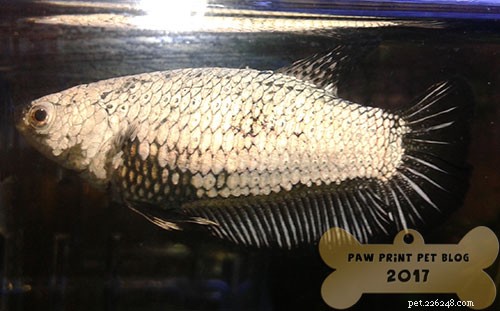
Luckily, in bettas, the most common cause of SBD is overfeeding and/or constipation. A large amount of food in the stomach and intestines can press against the swim bladder, leaving less room in your fish’s body for his/her swim bladder to function properly.
Usually the first course of action when a betta fish develops swim bladder issues is to fast your fish. After 3 or 4 days of fasting, the fish should be fed smaller, more appropriate amounts of food. In the case of constipation, after a period of fasting you can offer your fish pieces of skinned, cooked peas. The peas contain high levels of fiber that may help act as a laxative for constipated fish.
If your fish is not constipated and you are feeding an appropriate diet (in the appropriate amounts), or your fish has other symptoms that point to an illness such as a bacterial infection or parasites, additional treatment may be necessary. Broad spectrum antibiotics and anti-parasitics for fish can often be purchased over the counter at your local fish store. Always make sure to do your research before starting a new treatment (or combination of treatments) and follow the instructions that come with medications carefully.
In the case of an injury to the swim bladder really all you can do is keep your fish comfortable and give the swim bladder time to heal itself. No matter the cause of SBD, fish should be maintained in proper set ups. Keep an eye on your fish’s water parameters and temperatures. If your betta is really struggling to swim, and cannot easily reach the top of the aquarium to gulp air, lowering the water level should help.
Although it often doesn’t look pleasant, SBD by itself is not normally fatal. The overall outcome of SBD depends on the underlying cause of the disease. The most common causes in bettas, overfeeding and constipation, luckily have a high survival rate as long as conditions are improved.
To avoid SBD, take care not to overfeed your betta. Your betta’s stomach is smaller than it’s eye! It can be easy to overfeed, especially when we want to treat our fishy friends, but keeping them healthy is important. Some foods, such as flaked and freeze dried foods, tend to expand once exposed to water. Soaking such foods before offering them to your fish can help ensure that they don’t expand inside your fish’s stomach. Make sure you are maintaining your fish in the proper environment. Poor water quality can compromise your fish’s health and improper water temperatures can lower the immune system as well as effect metabolism.
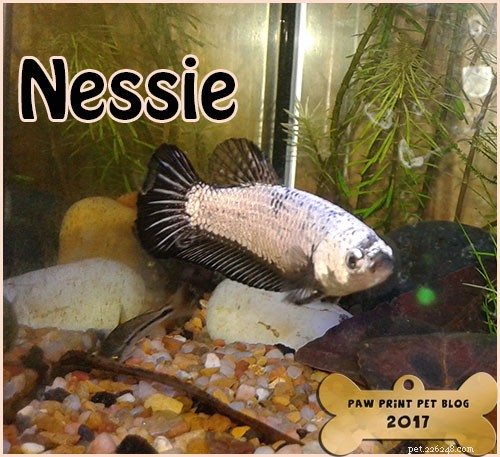
As for Nessie, I’m embarrassed to say that her SBD was caused by overfeeding. In December, during Yule, I wanted to give all my fish a special treat. I bought them freeze dried brine shrimp, and fed more than I usually do thinking it would be ok since it was just a special treat and not something I do regularly. The next morning I noticed Nessie was swimming funny and seemed to be sinking to the bottom of the aquarium. So begun my crash course in SBD.
Nessie took a bit longer than I was expecting to start showing improvement, which really had me worried, but luckily she did eventually make a full recovery. I learned, the hard way, why it’s so important not to overfeed my fish. Luckily my lesson didn’t come at the cost of my fish’s life! I did mean well, and I’ll be much more careful about what, and how much, I feed my aquatic friends in the future.
- Pet Behavior
- Pet Breeds
- Pet Names
- Pet Adoption
- Pet Training
- Pet Information
- Pet Health
- Adorable Pets
- Dogs
- Goldfish Swim Bladder Disorder: Recognizing Symptoms, Effective Treatments, and Prevention Tips
- Betta Fish Care Guide: Expert Tips for a Healthy, Vibrant Pet
- Betta Fish Care Guide: Expert Tips for Thriving Siamese Fighting Fish
- Understanding Betta Fish Aggression: Why They Fight and How to Prevent It
- Treating Swim Bladder Disorder in Aquarium Fish: A Practical Guide
- Understanding Brooklynella Disease: Causes, Symptoms, and Prevention in Marine Fish
- Do Betta Fish Sleep? Understanding Their Resting Patterns