

Can Dogs Suffer Food Poisoning? Understanding Risks and Prevention
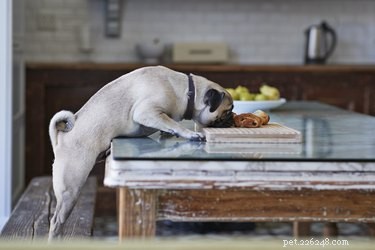
You know that look your dog gives you when you walk into the house and find that he's gotten into something he shouldn't have. Possibly it's the trash can, or he's grabbed your sandwich off the counter when you turned your back for a minute. Have you ever wondered if your dog can get sick from eating any of the foods dogs aren't supposed to eat? Or from spoiled food in general?
Is food poisoning in dogs common?
The American Kennel Club says that food poisoning in dogs (and in humans, for that matter) probably happens more often than we think it does. Often, when there's a change in the consistency or appearance of the feces, it's attributed to a virus. But eating food with bad bacteria in it is often a more common cause.
Bacterial poisoning
There are a lot of common bacterias that can grow in food that is not handled properly. For instance, E. coli can be found on some mishandled produce or even in milk. Bacteria is everywhere and most of the time, the digestive systems of humans as well as dogs can fight off any influence of undesirable bacteria. The National Animal Supplement Council lists several common types of bacteria that can affect dogs:
- Salmonella
- Leptospirosis
- Campylobacter
- Helicobacter
- Streptococcus
- Clostridia
- Bordetella
- E. Coli
Most bacterial poisoning comes from contaminated water, dairy, feces or undercooked meat. If you are feeding your dog a homemade (or raw) diet that includes meat, make sure the protein sources are fully cooked. There are some dangers associated with parasites or bacteria that your dog could be exposed to if protein is undercooked.
Dangerous foods for dogs
Bacteria reproduces quickly, so the symptoms of bacterial poisoning can appear within a short period of time after eating. Foods containing dairy products are the most common source of bacterial poisoning. Be mindful of feeding your dog any foods made with milk and products made with dairy such as potato and chicken salads, or baked goods with cream. Other potentially dangerous foods which can carry Salmonella and can cause food poisoning in dogs are raw fish, undercooked meat and eggs.
Even foods that are refrigerated can develop bad bacteria over time. That's why the American Kennel Club recommends making sure the food in your refrigerator is cleaned out and not allowed to go bad. If you throw any of this spoiled food in your home trash, your dog could get into the trash and consume it.
If your dog is known to raid trash cans when you're not looking, consider putting trash cans in an area where your dog can not access them. Secure them in a storage area or get cans that are dog-proof.

Toxic foods for dogs
In addition to not allowing your dog to eat spoiled foods, there are several food items that can be toxic to dogs if they are consumed. The American Society for the Prevention of Cruelty to Animals maintains a comprehensive list of foods that are toxic to dogs.
Keep your dog away from these foods:
- Alcohol
- Avocado
- Chocolate
- Coffee
- Caffeine in general
- Citrus
- Coconut and coconut oil
- Grapes and raisins
- Macadamia nuts
- Milk and dairy
- Nuts
- Onions, garlic and chives
- Raw or undercooked meat, eggs and bones
- Salt and salty snack foods
- Xylitol
- Yeast dough
Symptoms of dog food poisoning
It's usually easy to tell if we've eaten something that doesn't agree with us because the symptoms of gastrointestinal upset are usually pretty apparent.
The Canine Journal publication lists signs of poisoning in dogs to be aware of. If your dog shows any of these signs, consider the fact that your dog might have eaten something that was either toxic to them or was spoiled and is causing a problem:
- Irregular heart beat
- Not producing urine
- Liver damage
- Blood in stools or nosebleeds
- Neurological symptoms including seizures
- Diarrhea
- Loss of appetite
- Vomiting
- Lethargy
- Bruising
The AKC also adds to this list nausea, salivation, cramping, abdominal pain, dizziness or fever. They describe the results of one study that said 20% of dogs fed old eggs, moldy cheese and spoiled gravy exhibited a mild fever when they were checked out by a veterinarian.
Always check with your veterinarian before changing your pet’s diet, medication, or physical activity routines. This information is not a substitute for a vet’s opinion.
- Pet Behavior
- Pet Breeds
- Pet Names
- Pet Adoption
- Pet Training
- Pet Information
- Pet Health
- Adorable Pets
- Dogs
- Do Dogs Get Carsick? Spot Symptoms and Ease Their Discomfort
- Can Dogs Get Head Lice? A Guide to Canine Lice Infections
- Can Dogs Thrive on a Vegetarian Diet? Exploring the Facts
- Can Dogs Get Sunburn? Expert Tips to Keep Their Skin Safe.
- Can Dogs Catch Colds? What You Need to Know About Canine Respiratory Illness
- Can Dogs Experience Hiccups? Symptoms, Causes, and Care
- Is Ringworm a Risk for Dogs? Understanding Causes, Symptoms, and Prevention