

Choosing the Ideal Bedding for Your Small Pet: A Practical Guide
 Seasoned small animal owners tend to bicker over the smallest of details when it comes to the care of their pet. From food to free time, no one seems to agree on just one thing. When it comes to bedding though, there seems to be an all out war over which is best. As a small pet owner, I’ve used just about every variety of bedding on the market, and even I get confused sometimes. One will claim to have the best odor control, but it’s really dusty. Another will be softer and cuddlier for your pet sleep in, but it smells bad even when it’s clean. There is no perfect small animal bedding…but, there is probably be one that is best for your particular situation. There are pros and cons to all the small animal bedding types available. Here’s my break down on what to expect from the most popular types available.
Pine
Pine is the most widely available and inexpensive bedding you’ll see. A lot of pet owners have used it, and their animals have done well for many years. The consistency and texture of the bedding depends on the brand of pine you use; you could be getting fine-cut soft shreds, or big, thick shavings. Generally, I don’t like to use wood-based bedding at all because it tends to be dusty, and this can cause respiratory illness in some animals. Beware of this bedding if you have allergies, the dust may also cause them to act up. My pets (particularly my guinea pig) also tend to fling this light-weight bedding out of the cage, creating quite a mess. If you decide to opt for pine, I suggest choosing a brand with finely shredded pieces for the comfort of your animal. If you’re not fond of strong, woody smells in your living space, this is not the beddign type for you.
Cedar
Cedar is a material I will never recommend for use in small animal cages. That Fish Place does not carry cedar bedding types because the strong oils in the wood can cause respiratory infections, urinary tract infections, foot problems, and intestinal issues in small pets. Cedar shavings smell nice and are naturally insect repellent. Though we think it the scent is pleasant, these oils are like pesticides to your small pets. Cedar chips are also usually cut into large chunks that are harsh to walk on and can be harmful if swallowed.
I, unfortunately, learned the dangers of cedar the hard way. My pet guinea pig, Pepper, suddenly stopped eating and drinking. We took him to the vet and found out he was suffering from intestinal problems due to being around and eating cedar. He eventually died despite treatment. Do not use cedar in small animal habitats!
Aspen
As I’ve said, I generally don’t like wood-based bedding, but if you like the prospect of a cheap and easy to find bedding, aspen is probably the best. It seems to have a lower amount of dust than pine, is usually cut into very fine soft pieces, and smells nice without being harmful. Personally, I don’t like the residue aspen leaves on my hands after handling it, but it does not seem to bother the animals. As with any wood bedding it could activate respiratory problems in sensitive animals, so keep an eye on your pets and change the bedding if they develop allergies. Watch for hair loss on the belly and legs of your pet as this may also indicate allergy issues with bedding.
Carefresh, Boxo, and Other Paper-based Bedding
 Boxo and Carefresh are the two brands I use in my own pet cages. Carefresh is made out of recycled paper material and Boxo is made from shredded cardboard boxes. Both of these are a little bit dusty, but there is no avoiding dust in small animal bedding, despite what the packaging may say. Speaking from experience, these bedding types seem to be almost hypo-allergenic when it comes to the animals, and they do not seem have any adverse effects when chewed on. There are also no harmful oils in the processed paper shreds.
These paper bedding materials can have funky smells when they get wet, but only if they become saturated in your animal’s cage. The smell is almost like an indicator the cage needs cleaned! If you do find that there is a saturated area, it should be changed immediately avoid mold growth.
Lately, I’ve been leaning more towards Boxo because it comes in larger bags for only a little bit more money. I have a lot of cages to clean, so quantity and price are also things I consider.
Regardless of which bedding you decide to use, always keep an eye on your pets and make sure they are not sneezing, scratching, developing welts or scabs, or losing fur. Any of these symptoms could be a sign of allergies, and a switch in the bedding type you use may make a difference. If not, your pet may need a visit to the vet!
Until next time,
Jess
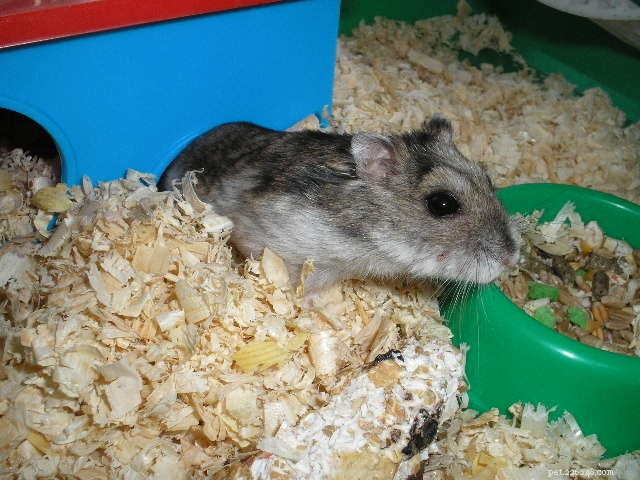
Hamster in shavings image referenced from wikipedia and originally posted by Primek
- Pet Behavior
- Pet Breeds
- Pet Names
- Pet Adoption
- Pet Training
- Pet Information
- Pet Health
- Adorable Pets
- Dogs
- Achieve Accurate Diagnosis for Your Pet: Expert Tips
- Choosing the Ideal Lifejacket for Your Dog: Safety First
- How to Choose the Perfect Veterinarian for Your Pet
- 10 Expert Tips for Choosing the Perfect Pet Companion
- How to Pick the Perfect Dog Bowl for Your Pet
- How to Choose the Perfect Chew for Your Dog
- How to Select the Perfect Dog Harness for Comfort & Control