

How Your Brain Responds to Cute Animal Photos: The Science Behind the Fuzz
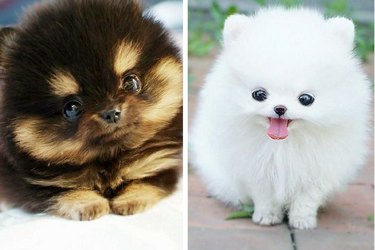
Unless you're a monster, you probably enjoy looking at photos of cute animals. If the internet is any indication, we all do. Cute animal pictures give us warm, fuzzy feelings. But why? What actually happens in our brains when we look at them?
(Note: Konrad Lorenz went on to, how do I put this, become a Nazi. Though his early animal behavior research was important, he was later largely rejected by the scientific community, for obvious reasons.)
When we look at the likeness of a cute animal, we're reminded enough of our own species' young that our brains tell us "you should nurture this thing." And that's a pleasant feeling: it triggers a rush of dopamine, the "feel-good" chemical that's also released when we have sex or eat tasty food.
As Ana Swanson of The Washington Post points out, activation of our hyperactive nurturing drive isn't limited to photos. We also love cute cartoons, like the wildly popular Pikachu (objectively the cutest of the Pokemon).
The adorably round cat Pusheen is another example. Honestly, if you drew a circle and added large eyes to it, I would think it was cute.
Credit: Pusheen via Instagram
In a word, we like looking at cute animal pictures because we're suckers. But here's the good news: Viewing photos of baby animals has been shown to increase productivity. A 2012 study at Hiroshima University had subjects play a board game similar to Operation after looking at various photographs: some of food, some of adult animals, and some of baby animals. Both female and male students performed best after looking at the baby animal photos.
The takeaway? Cute animal photos are a sort of trick for our brains, but a pleasant and in fact a productive one. Now please excuse me while I look at baby red pandas for 9 hours and write an impassioned letter to my boss about why this counts as productive work.
Always check with your veterinarian before changing your pet’s diet, medication, or physical activity routines. This information is not a substitute for a vet’s opinion.
- Pet Behavior
- Pet Breeds
- Pet Names
- Pet Adoption
- Pet Training
- Pet Information
- Pet Health
- Adorable Pets
- Dogs
- How to Act When You Witness Dog Abuse: A Step‑by‑Step Guide
- Understanding Heavy Breathing in Dogs During Sleep: When to Worry
- Coping with Pet Loss: Understanding the Grief After Losing a Beloved Companion
- How to Identify Snake Eggs: A Comprehensive Guide with Images
- Choosing the Right Dog Trainer: Key Qualities to Seek
- What You Need to Know About Dogs Eating Yeast
- Benefits of Canine Massage Therapy for Your Dog